Follow Us on Google
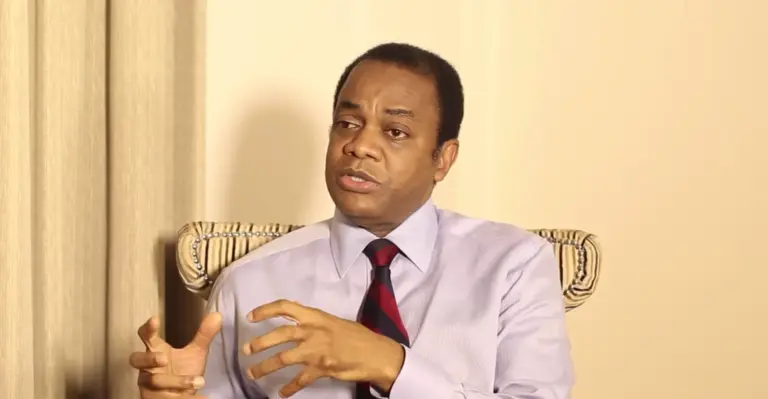
The strategic partnership between Nigeria and Cuba played a decisive role in the liberation of Southern Africa from apartheid rule, former Nigerian presidential candidate, Dr. Gbenga Olawepo – Hashim, has revealed.
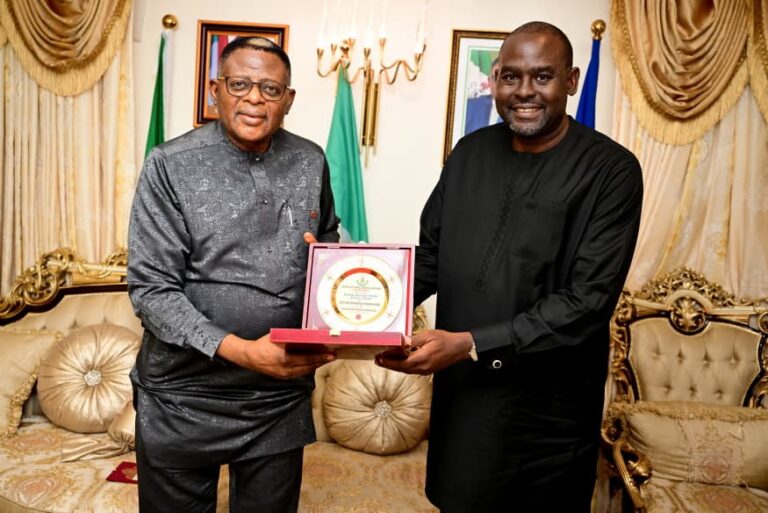
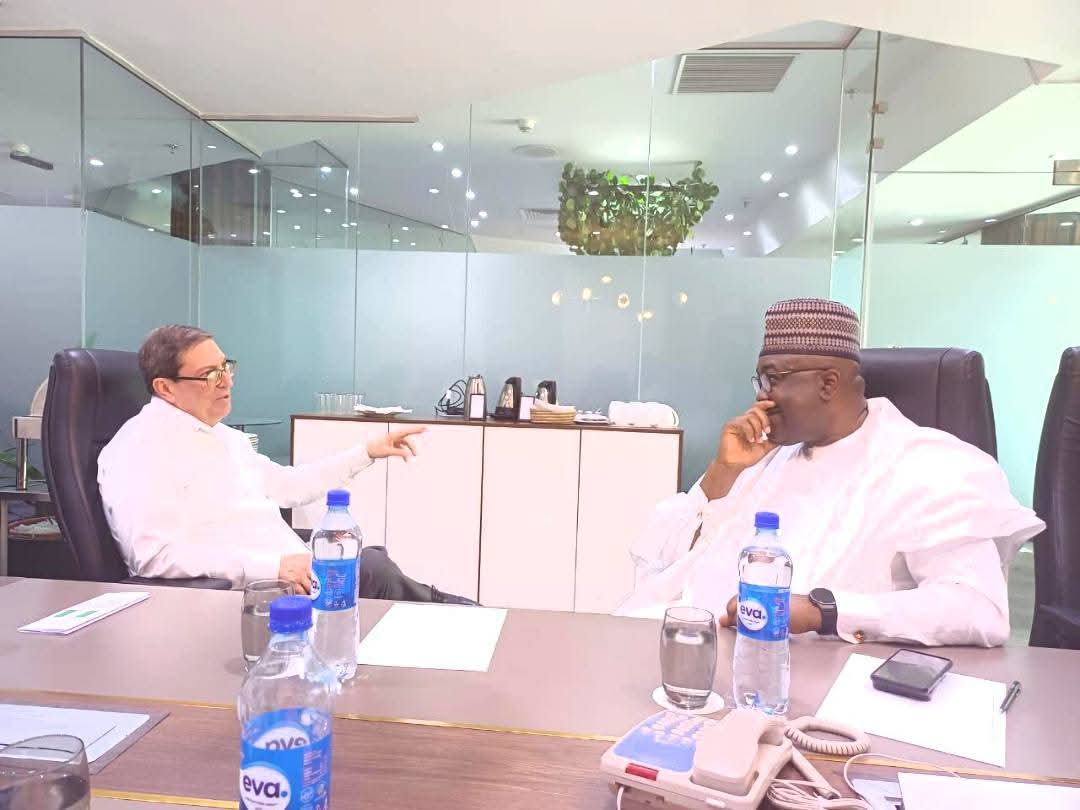
Dr. Hashim disclosed this following a private meeting with Cuba’s foreign affairs minister, Bruno Rodriguez Parilla, during the minister’s recent visit to Nigeria. The politician revealed that his relationship with Parilla dated back to the late 1980s when both were active members of the International Students Movement.
The duo previously served as delegates to the 13th World Festival of Students held in Pyongyang, North Korea, a platform that fostered international solidarity among young political leaders.
Their meeting, analysts revealed, underscored the deep diplomatic and historical ties between the two nations, dating back to their shared support for liberation movements across Africa.
He highlighted Cuba’s critical military intervention during the Battle of Cuito Cuanavale in Angola in 1988, where Cuban volunteer forces fought alongside the People’s Armed Forces for the Liberation of Angola (FAPLA) against South African troops.
“The defeat of the South African forces marked a turning point in the region’s struggle for independence, paving the way for Namibia’s independence and the eventual collapse of apartheid in South Africa.
Other News
“Cuba’s military intervention, backed by Nigeria’s strong political and diplomatic support for the anti-apartheid movement, created the momentum that ultimately led to the fall of apartheid,” Hashim stated.
He also emphasized the deep cultural ties between Nigeria and Cuba, noting that a significant portion of Cuba’s black and mulatto population can trace their ancestry to Nigeria’s Yoruba, Efik and Ibibio ethnic groups.
“The bonds between Nigeria and Cuba go beyond politics. They are rooted in shared ancestry and a common struggle for freedom and justice,” Hashim added.
Parilla’s visit signals a renewed effort to strengthen Nigeria-Cuba relations, with both countries exploring deeper collaboration in trade, education, health and cultural exchange.
Analysts agreed that the meeting reflects a broader push to reinforce South-South cooperation and leverage historical ties to tackle contemporary global challenges.