Follow Us on Google

By Chinelo Obogo [email protected]
Just recently, the Director General of the Nigerian Civil Aviation Authority (NCAA), Captain Musa Nuhu, told aviation reporters that scarcity of forex, devaluation of the naira and high cost of aviation fuel contributed in plunging the aviation sector into serious financial crisis. He lamented how domestic airlines are now contending with sourcing of forex for their operations, to sourcing of fuel and the devaluation of the naira now depleting passenger traffic and raising flight tickets.
He said: “This is a critical period because of the rising cost of aviation fuel now posing serious concern to us. We don’t refine Jet A1 in Nigeria and the conflict in Ukraine has brought about a sudden increase in the price. At the same time, the naira is getting devalued, so it is double jeopardy on the airlines. They get all their revenue in naira and at the same time, dollar is not even readily available. So it is creating a huge problem for the industry and what we are facing now is a financial and economic crisis.”
Blocked funds
The admission by head of Nigeria’s regulatory body that the aviation sector is in dire financial crisis is one that has made stakeholders more worried because in addition to the challenges domestic airlines are contending with, is also the issue of trapped funds, where foreign airlines are unable to repatriate their earnings from ticket sales to their respective countries. In March this year, the total amount of trapped fund was $285 million and by June, it had risen to $450 million and currently stands at $600.
This problem has led to an astronomical increase in cost of international flights as foreign airlines have not only now resorted to buying forex at black market rates, but many have now removed the lower inventories on their tickets.
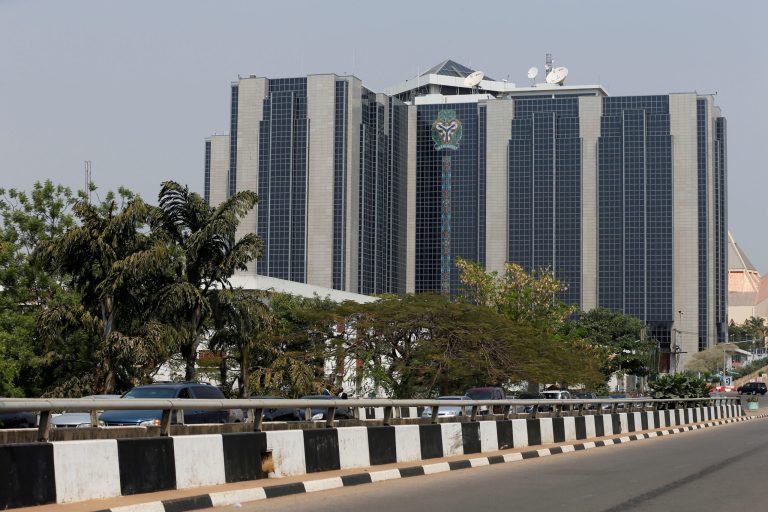
Just recently, the National Association of Nigeria Travel Agencies (NANTA) told Daily Sun that the refusal of the Central Bank of Nigeria (CBN) to release the blocked funds belonging to foreign airlines operating in the country had paralysed the travel agency industry.
The association’s president, Mrs. Susan Akporiaye, said that the situation was now so dire that for some time, travel agents have been unable to sell tickets because foreign airlines have removed the lowest base fare from their price inventory and replaced it with higher ones in order to bypass the CBN and buy forex in the parallel market. She said that at the moment, many of the their customers who wish to travel for summer vacation and students who are studying abroad and want to travel to resume their studies are stranded in Nigeria because they cannot afford the exorbitant cost of flight tickets.
“Summer travel for us in Nigeria is threatened and has been so for the past two months. It has been horrible for us, people want to travel but we can’t sell because the cost of the tickets are ridiculously high. We are no longer enjoying this and that is why we have been shouting that the CBN should release the funds so that things can normalise and we can sell tickets. This is so frustrating. We have been struggling to make sales not because requests are not coming in, when we get requests and we send the cost, the passengers change their minds because the fares are too high. So, for now, it is only corporate travels that we have been doing. We are sending an SOS to the presidency to come to our aid. Maybe we need to threaten just like the local airlines threatened,” she said.
Naira devaluation
The Group Managing Director of Finglow Holdings, Bankole Benard, who spoke to aviation reporters in his Lagos office recently on the crises facing the sector, said this is not the first time the industry is havng the issue of trapped funds.
He however noted that one critical reason why foreign airlines are more agitated than they were in 2016 after their money was held back without being repatriated, is because Nigeria devalued its currency and they felt that if they had taken their money out, they would not have been affected by the devaluation.
“This is not the first time that we are facing the issue of trapped funds. This also happened, I think in 2016 when the total trapped fund of the airlines was far higher than whatever we have now – it was about $750m then and they were making a particular comparison because as at that time Venezuela was also going through the same challenges and they owed a lot more to the extent that Lufthansa had to stop flying to Venezuela.
“Then, some of the things we noticed were reduced capacity, air tickets became more expensive and that is exactly what we are seeing now. But, one critical reason they are more agitated is that in 2016 after their money was held back without being repatriated, Nigeria devalued its currency and as a business person, they felt that if they had taken their money out, they would not have been affected by the devaluation. So, that is the fear they are nursing now because if the currency is devalued, it means that they would have lost several percentage of that money they intend to repatriate.
“The only way we can reduce or stop this agitation is that there should be a communiqué from the government, which will give them some assurances that the country is not planning to devalue and this won’t affect them and that they will repatriate their money as it were. It is very important that when things like this happen, there is room for communication especially from the government. In business, you will always have an exposure and the exposure is the fact that your money is tied down, but you know you are always going to get it because it’s a credible country, but when your money is tied down and it will eventually lose value, then, the agitation will be more.
“That is why they want to cut capacity because if you cut capacity, if the devaluation eventually happens, they will be able to cut their losses. Or on the other hand, they will seek what we call yield. In aviation, airlines make their money through two ways; volume and yield. The volume is to have a lot of people to fill the capacity of the aircraft, so, you can afford to sell discounted fares. On the yield, you will know that even if you sell 30 per cent of the capacity of your aircraft, you know you are not losing because you are selling using yield. An economy ticket to Dubai now is about N800, 000. So, if you insist you want to buy it, you are buying at 100 per cent or more in increase in fares. So, you have to be desperate if you want to do that. If you are paying about N1 million for an economy ticket, you can imagine what the business class would be like.
“So, on that particular ticket, no matter how you devalue your naira, the airline is not losing out. With this, it means that what is available for us to sell is reduced. So, there is reduction in the inventory and once there is reduction in the inventory, it affects our sales, but because it is summer now, we are still not feeling the impact until after this season, then, we will start feeling the brunt,” he said.
Jet A1, forex scarcity
The fuel crisis which began in February and worsened by the end of the first quarter of the first quarter is threatening the operations of the airlines and the Airline Operators of Nigeria (AON) has repeatedly cried out over the issue and complained about how the cost of fuel and scarcity of forex is negatively impacting their operations.
At the moment, the cost of jetA1 has increased to N900 per litre in some states from N800 and the AON has said they had no choice than to increase the cost of flight ticket due to the scarcity of forex and the cost of aviation fuel.
Currently the cost of a return ticket from Lagos to Abuja ranges from N75,000 and N100,000 for economy ticket and over N140, 000 for business class, depending on the airline and the time of booking. A one-way Abuja-Kano flight on Max Air and Air Peace costs between N80,000 to N100,000, while a Lagos to Kaduna one-way economy class ticket costs between N100,000 to N150,000 depending on the time of booking.
On the issue of fuel, forex scarcity and its impact on the cost of tickets, Bankole said Nigerian airlines need to take a step back and really understand their businesses and that the lack of Commercial Directors is putting a lot of burdens on them.
He said other airlines come to Nigeria despite the aviation fuel challenge and the problem of forex and they are getting it right, pointing out that before any airline goes into operating a new route, it must have robust planning of expected performance on such a route.
“I think the Nigerian airlines need to take a step back and really understand their businesses. I think the lack of Commercial Directors is putting a lot of burdens on the Nigerian airlines. Before any airline goes into operating a new route, you must have robust planning of your expected performance on such a route. The Nigerian airlines should get their commercials right. Other people are getting it right and they come to Nigeria despite the aviation fuel challenge and the problem of forex.
“For every time we go to the Central Bank of Nigeria (CBN) to buy dollars, do you know that the Federal Government is subsidising it for us? What some of our airlines are saying is that the government should continue to subsidise them to remain in business. That is not how a business is done. Our airlines choose the foreign routes they want to operate into and one expected them to have put their figures together.
“Why can’t Nigerian carriers realise the fact that there are more opportunities in this market and the West Coast for them, which will add more value to their bottom line than the long hauls? Someone told me recently that a flight to Maiduguri is now about N400,000 and I said that makes a lot of sense. It is either you want to fly or you go by road where you may be kidnapped. It is not the airlines’ fault that they are charging that amount of money, but it is the reality on ground.
“The fact is that the cost of tickets would still soar higher than what we are experiencing at the moment because several things act as determining factors. Everything that has to do with air transport is dollar denominated. So, if it is dollar denominated, how can we ensure business success for our people? That is what we should be thinking about.
“Our airlines on foreign routes should request to pay their taxes from Nigeria on the foreign routes in naira instead of dollars. This will make them stabilise in foreign routes. Instead of Nigerian airlines to canvas for a license to start selling aviation fuel, they can approach the government for a more practicable way out. As an industry, let’s not lose focus on our business decisions,” he said.