Follow Us on Google
From Aloysius Attah, Onitsha
The chairman/chief executive officer, National Drug Law Enforcement Agency (NDLEA), Brig-Gen. Buba Marwa (retd), has emphasized the imperatives of harnessing the advancements in technology presently reshaping every facet of society in combating pervasive issue of drug abuse.
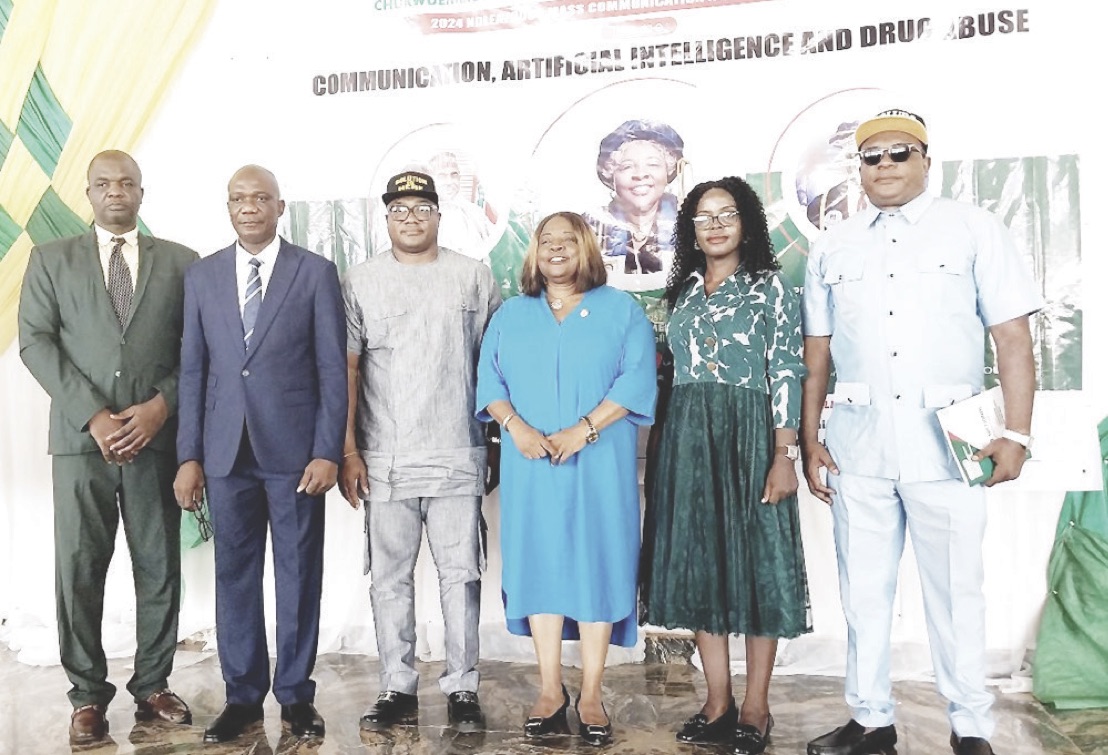
Delivering a keynote address recently at Chukwuemeka Odumegwu Ojukwu University (COOU), Igbariam, Anambra State, during a one-day NDLEA/COOU Mass Communication Department national conference, Marwa spoke on the topic: “Communication, artificial intelligence (AI) and drug abuse.”
Represented by the Anambra State NDLEA commander, Daniel Onyishi, he said the intersection of communication, artificial intelligence and drug abuse is a multifaceted topic that involves examining how AI can influence and aid in the communication and understanding of drug abuse issues.
He said the prevalence of drug use is still of frightening dimension in Nigeria despite measures put in place by the government in line with international conventions to counter the growing challenge of drug use among youths.
He said: “Drug use cuts across all ages, gender, religion, socio-economic status and regions. The National Drug Use Survey 2018 revealed that 14.3 million Nigerians aged 15 to 54 years had used psychoactive substance. More worrisome is the finding that one in every four drug users in Nigeria is a woman. Another disturbing fact from the findings of the National Survey is the fact that one in five persons who use drugs in Nigeria are suffering from drug use disorders, while cost and fear of stigma were major barriers to treatment across Nigeria.”
He said AI helps in risk identification whereby data is analysed to identify individuals at high risk of drug abuse.
“These algorithms can consider various factors such as medical history, social environment and behavioural patterns. Also, AI helps early intervention strategies to prevent drug abuse before its starts and helps to create personalized treatment plans based on an individual’s specific needs and response to previous treatments. In addition, AI-powered chatbots can provide round-the-clock support and counselling, helping individuals manage cravings and emotional triggers,” he said.
The NDLEA boss also disclosed that the agency has set up dedicated toll-free call centres to attend to individuals and families with drug challenges in Nigeria.
He said the call centresa are manned by team of professionals, including psychologists, counsellors, social workers and mental health professionals who provide support to people who use drugs and their family members for facilitating recovery, manage social and emotional problems, enhance performance and productivity of the beneficiaries of the service thereby improving their quality of lives.
Vice-chancellor of COOU, Prof. Kate Omenugha, who was decorated as a War against Drug Abuse Ambassador (WADA) during the conference, said the campaign against drug abuse is a battle every responsible member of the society, including students, must lead from the front because of its devastating effects on the citizens. She charged the participants to learn and internalize what they learnt and called on the students to also be mindful that their communication, both verbal and non-verbal, can contribute in aiding the drug abuse menace or help to curtail it.
Acting head of the Department of Mass Communication, COOU, Dr. Nonye Ezeaka, in an address, said communication plays a vital role in preventing drug abuse. She said the conference was a significant step in a collective effort towards addressing the menace of drug abuse in Nigeria, noting that communication plays a crucial role in preventing drug abuse, promoting recovery and reducing the stigma associated with addiction.
She lauded the vice-chancellor for her support towards making the conference a success.
The lead paper presenter, Prof Ezekiel Asemah, acting VC, Glorious Vision University, Ogwa, Edo State, described drug abuse as an epidemic ravaging the country. He called on all stakeholders in the communication sector, including social media content creators, to produce materials tilting towards dissuading youths from drug abuse.
He said communication generally can engender positive attitudinal change while the mass media channels can be used to bring about positive change in the society and can also help in great measures in the fight against drug abuse in the society.
Chairman of the local organising committee, Dr. Gideon Nwafor, charged participants at the conference to not only enrich their knowledge on the dynamics of the subject matter but also be good ambassadors in the collective fight against drug abuse.
Other News