Follow Us on Google
By Maduka Nweke
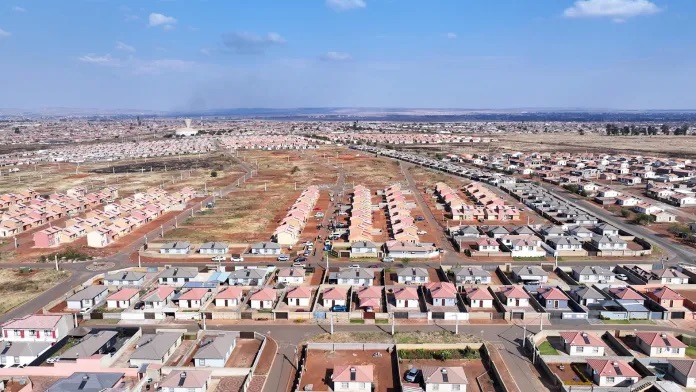
Nigeria’s urban housing crisis is tightening its grip on millions of city dwellers as rents in major commercial centres continue to rise beyond the reach of average income earners, prompting renewed calls from real estate stakeholders for a shift toward rent-to-own housing models as a long-term solution.
From Lagos to Abuja, Port Harcourt to Kano, tenants are facing one of the sharpest rental escalations in recent memory, driven by a combination of inflationary pressure, construction cost spikes, currency instability and a chronic housing supply deficit that has refused to ease despite years of policy interventions.
Industry players say the situation has reached a critical point where traditional rental structures are no longer sustainable for a large segment of the urban population. They argue that without structural reforms in housing finance, Nigeria risks deepening its urban poverty crisis and widening inequality in access to shelter.
At the centre of the debate is a growing consensus that rent-to-own schemes, if properly structured and regulated, may offer a more realistic pathway to home ownership for millions of Nigerians who are currently locked out of the property market.
Rent pressure reaches breaking point in major cities
In Lagos, Nigeria’s commercial capital, rent increases in popular residential corridors have become a recurring burden for households already struggling with rising food, transport and utility costs.
Landlords in many areas are adjusting rents upward at the end of tenancy cycles, citing inflation and maintenance costs. For tenants, however, the increases often outpace income growth, forcing many to relocate to less expensive and often less accessible neighbourhoods.
The same trend is visible in Abuja, where federal civil servants and private sector workers are increasingly moving to satellite towns due to high rental demands in the city centre. In Port Harcourt, oil sector fluctuations have compounded the instability, while Kano’s growing population has intensified pressure on available housing stock.
Stakeholders say this pattern reflects a deeper structural imbalance between housing demand and supply that has persisted for decades.
Stakeholders push rent-to-own as sustainable alternative
Against this backdrop, real estate experts are advocating rent-to-own schemes as a practical mechanism to ease the burden of upfront rent payments while gradually transitioning tenants into property owners.
Under the model, tenants pay monthly or periodic rent contributions that are partly credited toward eventual ownership of the property. This allows households to build equity over time while living in the same home, rather than paying rent indefinitely without ownership prospects.
Proponents argue that this approach addresses two key challenges simultaneously: affordability and access to credit.
Many Nigerians, especially in the informal sector, lack the financial documentation required for conventional mortgage systems. Rent-to-own models, stakeholders say, can bridge this gap by removing stringent entry barriers while still maintaining structured payment discipline.
However, they also caution that without regulatory oversight, such schemes could be abused by developers or poorly structured, leading to disputes and financial losses for tenants.
Construction costs driving rental inflation
A major driver of rising rents remains the increasing cost of construction materials, which developers say has significantly altered the economics of housing delivery.
Cement, steel, roofing sheets, electrical fittings and finishing materials have all recorded sharp price increases over the past few years, largely due to inflation and currency depreciation.
Developers explain that many of these materials are either imported or dependent on imported inputs, making them vulnerable to exchange rate fluctuations. As the naira weakens, the cost of importing or locally producing these materials rises, and the impact is ultimately transferred to end users through higher rents and property prices.
In addition, high borrowing costs have made financing construction projects more expensive. Interest rates on commercial loans remain elevated, forcing developers to factor financing costs into rental pricing structures.
Stakeholders say these pressures create a ripple effect that ultimately lands on tenants, who bear the final burden of inflation in the housing sector.
Urbanisation outpacing housing supply
Nigeria’s rapid urbanisation is another critical factor driving the housing shortage.
Every year, thousands of people migrate from rural areas into cities in search of employment, education and better living standards. However, housing supply has not expanded at a comparable pace, creating a widening gap between demand and availability.
This imbalance has intensified competition for available units, especially in high-demand urban centres where employment opportunities are concentrated.
Developers argue that the pace of housing delivery is constrained by several factors, including land acquisition challenges, regulatory bottlenecks, infrastructure deficits and high development costs.
The result is a market where demand consistently exceeds supply, allowing landlords to set higher rental prices with little resistance.
Voices from the property sector
Property developers and analysts say Nigeria’s housing crisis is not just an economic issue but also a structural one that requires long-term planning and policy consistency.
One Lagos-based developer, Chief Olaitan Babatope, noted that many urban residents underestimate the long-term financial planning required for home ownership.
He said individuals who rely solely on salary income without investment planning are often priced out of the housing market over time.
According to him, wealth accumulation for housing requires a combination of disciplined savings, strategic investment and early financial planning.
Babatope added that inflation continues to erode savings value, making it increasingly difficult for individuals to accumulate enough capital for down payments unless they diversify income sources.
He stressed that real estate itself remains one of the most reliable long-term investment vehicles, but only for those who enter the market early enough to benefit from appreciation cycles.
The budgeting discipline gap
Financial planning experts also point to weak budgeting culture as a major contributor to Nigeria’s home ownership challenges.
According to them, many urban households lack structured financial plans that prioritise savings and investment for long-term goals such as housing.
Instead, income is often consumed by immediate expenses, leaving little room for capital accumulation.
Experts recommend structured budgeting frameworks that allocate income into living expenses, savings and investment, and personal development.
They also emphasise the importance of emergency funds to cushion unexpected shocks, especially in an economy where income stability is not guaranteed.
Without such discipline, they argue, many Nigerians will continue to struggle with housing affordability regardless of policy interventions.
Debt burden and financial strain
Another major obstacle highlighted by financial analysts is the rising level of consumer debt.
High-interest loans, often exceeding 25 percent annually, make it difficult for individuals to save or invest meaningfully. Many households, experts say, are trapped in cycles of debt repayment that consume a significant portion of monthly income, leaving little room for savings.
Stakeholders argue that reducing high-interest debt is a necessary step toward financial stability and eventual home ownership.
They recommend prioritising debt repayment strategies such as restructuring, consolidation and aggressive repayment of high-interest obligations before committing to long-term investments.
Investment diversification as a survival strategy
To cope with economic uncertainty, financial advisers are increasingly encouraging Nigerians to diversify their investments across multiple asset classes.
These include money market funds, equities, government bonds and real estate investments.
Each asset class serves a different purpose: stability, growth, income and inflation protection.
Money market instruments offer relatively stable returns, while equities provide higher long-term growth potential. Bonds offer predictable income streams, and real estate provides both capital appreciation and rental income opportunities.
Analysts say diversification helps reduce risk exposure while improving overall financial resilience in a volatile economic environment.
They also highlight the emergence of real estate investment trusts as an accessible entry point for low-income investors seeking exposure to the property market.
Land and Legal Bottlenecks Worsening Costs
Beyond economic factors, stakeholders also point to structural inefficiencies in land administration as a major contributor to rising property costs.
The process of acquiring land titles, securing approvals and navigating regulatory frameworks is often slow and expensive.
These delays increase holding costs for developers, who ultimately pass them on to buyers and tenants.
In high-demand areas, land speculation further drives up prices, making it even more difficult to deliver affordable housing projects.
Developers say reforming land administration systems could significantly reduce project timelines and lower housing costs over time.
A system under pressure
Across the housing value chain, stakeholders agree that Nigeria’s rental and property market is under severe strain.
Tenants are struggling with affordability, developers are battling rising costs, and investors are navigating economic uncertainty.
While rent-to-own schemes are widely seen as a potential solution, experts warn that they are not a silver bullet. Without proper regulation, financing support and institutional backing, such models may fail to achieve scale.
Still, there is growing agreement that the traditional rent model, where tenants pay increasing rents without ownership prospects, is no longer sustainable in its current form.
The road ahead
As Nigeria’s urban population continues to grow, pressure on housing systems is expected to intensify further unless significant reforms are introduced. Stakeholders say the future of urban housing will depend on a combination of policy innovation, private sector investment and financial inclusion strategies that expand access to ownership.
Rent-to-own schemes, if properly implemented, could become a critical bridge between rental dependency and full home ownership.
But beyond financing models, experts insist that Nigeria must address deeper structural issues, ranging from inflation and construction costs to land administration and income instability.
Until then, the rent burden in Nigeria’s cities is likely to remain one of the most pressing economic challenges facing households across the country.