Follow Us on Google

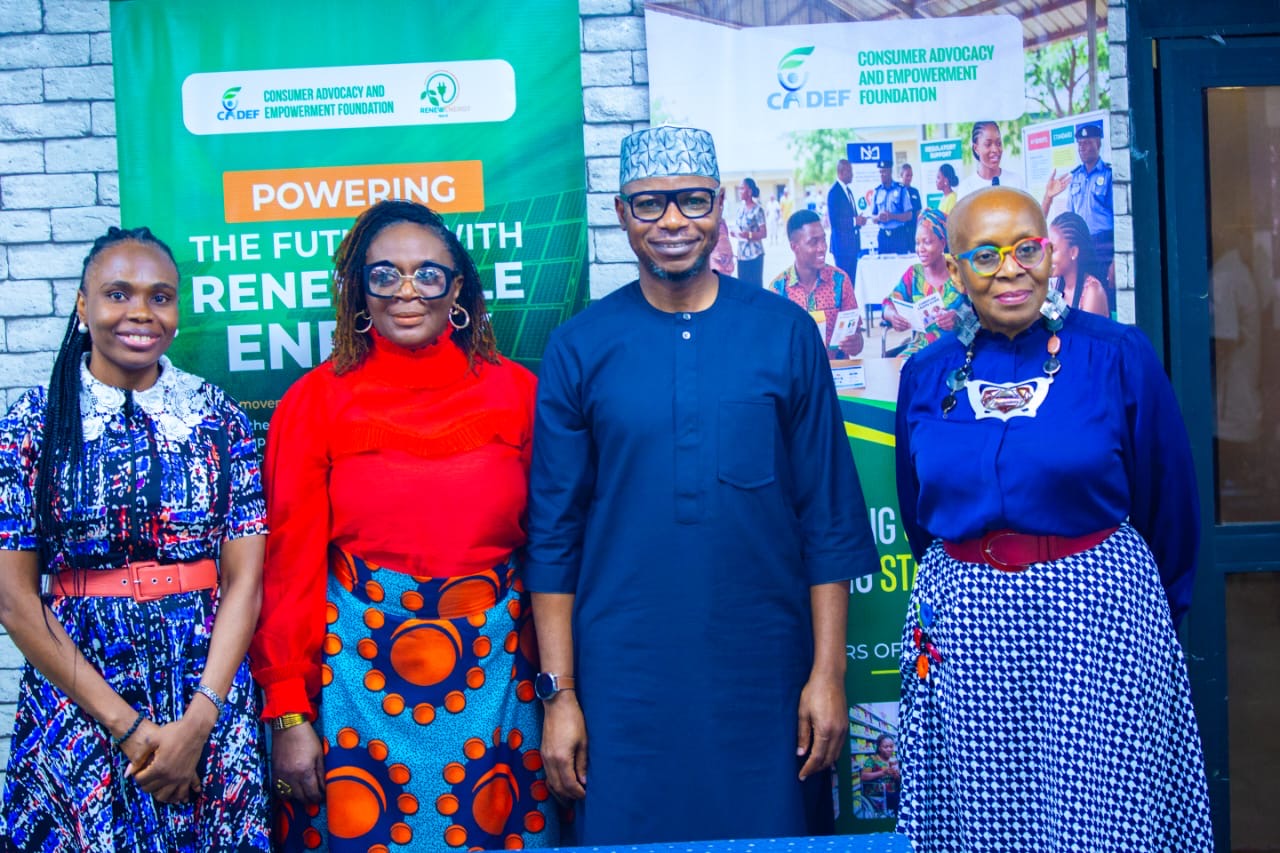
By Chinenye Anuforo
Nigeria’s energy crisis is deepening as millions of households and businesses struggle with inadequate electricity supply and the rising cost of accessing alternative energy sources, Consumer Advocacy and Empowerment Foundation (CADEF) has warned.
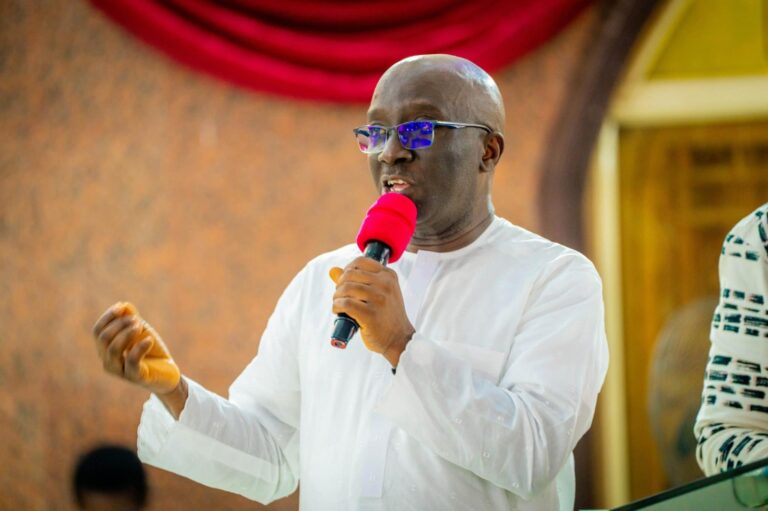
The Executive Director of CADEF, Chiso Ndukwe-Okafor, said the country’s electricity challenges go beyond poor power supply, noting that many Nigerians are also unable to afford the limited electricity available to them or alternative energy solutions.
Speaking at a consumer-focused energy summit, Ndukwe-Okafor explained that Nigeria was experiencing two interconnected challenges: energy access deficits and energy poverty, with the combined effect forcing consumers to cut back on electricity consumption.
“Many countries experience energy poverty, where electricity is available but too expensive for people to afford. Nigeria, however, suffers from both problems. We have an energy access problem because we do not have sufficient electricity, whether from the grid or alternative sources. We also experience energy poverty because we can’t even afford what is given to us or what we would like to get,” she said.
According to her, cutting back on electricity consumption has become the norm for many Nigerian households and businesses, reflecting the extent to which the country’s energy challenges have affected everyday economic activities.
Findings from a consumer survey presented at the event showed that 45 per cent of respondents relied on generators as backup power sources, despite most of them earning less than ₦100,000 monthly.
The survey also highlighted the extent of energy deprivation among consumers, with 30 per cent reporting inadequate access to energy, 21 per cent saying they sometimes cut back on electricity consumption, while 18 per cent said they always reduced their energy use. Another five per cent indicated that they could never afford the energy they needed.
Ndukwe-Okafor described the situation as unacceptable, arguing that the country’s existing electricity system was not adequately addressing consumers’ needs.
She also raised concerns about the classification of electricity consumers into supply bands, questioning the fairness and consistency of the system, particularly where consumers on the same feeder do not receive the promised hours of electricity supply.
Beyond electricity access and affordability, she identified the growing trust deficit between consumers and key institutions in the power sector as another major obstacle to meaningful reform.
She maintained that trust should not be treated as a secondary consideration but as an essential component of the country’s energy infrastructure.
According to the survey, 66 per cent of respondents expressed low trust in government, while 31 per cent reported medium trust and only three per cent indicated high trust.
Electricity distribution companies also recorded low confidence levels, with 57 per cent of respondents reporting low trust, 39 per cent medium trust and only four per cent expressing high trust.
For regulators, 40 per cent reported low trust, 53 per cent medium trust and six per cent high trust.
The media and consumer advocacy organisations recorded relatively better trust levels, although the findings still indicated room for improvement.
She further disclosed that 40 per cent of respondents did not know who the electricity regulators in their states were, while 79 per cent knew about the Nigerian Electricity Regulatory Commission (NERC) but did not understand its functions.
Only six per cent were aware of any grid-related improvements in their areas.
The CADEF executive director said the findings suggested that consumers felt unheard and disconnected from the institutions responsible for regulating and providing electricity services.
However, she noted that despite the challenges, there was considerable interest among consumers in transitioning to renewable energy.
The survey showed that 89 per cent of respondents would consider adopting renewable energy within the next two years, while 95 per cent were willing to shift their electricity consumption to different periods to reduce their bills.
Similarly, 88 per cent said they would be willing to undergo an approval process lasting between two and three months to sell excess electricity generated from their renewable energy systems to distribution companies.
However, she identified high upfront costs and limited financing options as major barriers preventing consumers from adopting renewable energy solutions.
The survey also found that 19 per cent of respondents did not trust renewable energy vendors, highlighting the need for stronger consumer protection, transparent market information and greater accountability among service providers.
Ndukwe-Okafor stressed that building confidence in the renewable energy market would require deliberate efforts by regulators, energy companies, financial institutions and consumer advocacy organisations to address affordability, information gaps and service delivery concerns.
She also emphasised the importance of ensuring that consumers have access to reliable information to guide their energy choices.
As part of efforts to bridge the information gap, CADEF unveiled an upgraded Renew Energy Naija digital platform designed to help Nigerians understand and navigate distributed energy solutions, including solar systems, battery storage and mini-grids.
The platform features a solar calculator that allows consumers to input details of their household appliances, including quantities and wattage, to estimate their energy requirements and explore suitable solar system configurations.
It also provides information on renewable energy solutions, a directory of service providers, educational resources, policy briefs, consumer surveys, a glossary of renewable energy terms, as well as articles and industry insights.
The initiative is expected to help consumers make more informed decisions before investing in renewable energy systems and identify service providers offering relevant solutions.
The discussions at the summit also highlighted the need to improve access to financing, particularly for women and small businesses seeking to adopt distributed energy solutions.
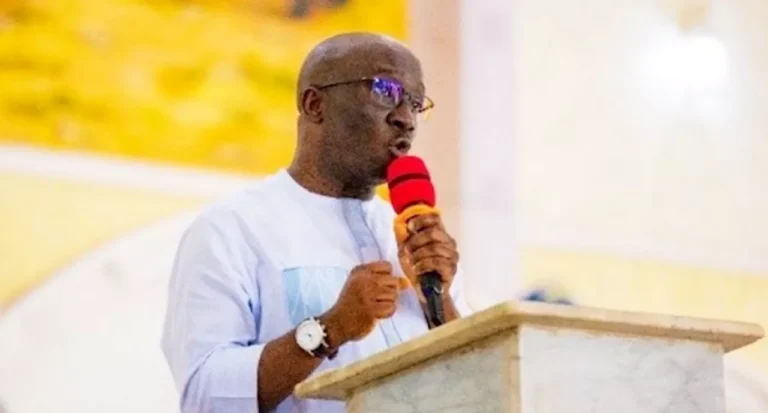
Delivering the keynote address on behalf of the Founder and National President of the Women in Renewable Energy Association (WIRE-A), Chief Dr. Mrs. Anita Nana Okuribido, Olufunmi Adewale called for more accessible financing pathways to enable women to participate meaningfully in Nigeria’s renewable energy market.
She said that although funding opportunities existed for renewable energy development, many women-led businesses were unable to access them because of restrictive lending requirements, including collateral, credit history and extensive documentation.
She advocated financing models that accommodate women-led businesses and low-income consumers, including pay-as-you-go arrangements, equipment financing, working capital support, loan guarantees and patient capital.
Adewale also emphasised the need to move beyond funding targets and redesign financing structures to ensure that available capital reaches women as energy consumers, entrepreneurs and investors.
She said women needed affordable access to clean energy solutions for their homes and businesses, as well as opportunities to own, develop and invest in energy assets.
Meanwhile, the Nigerian Electricity Regulatory Commission (NERC) highlighted regulatory measures introduced under the Electricity Act 2023 to expand electricity access and support distributed energy development.
Speaking at the event, the Director of Research and Data Analytics at NERC, Abdullahi Adamu, said the commission had issued the Mini-Grid Regulations in April and the Net Billing Regulations in June as part of efforts to strengthen the regulatory framework for the evolving electricity market.
He also disclosed that 17 states had completed the process of establishing and assuming regulatory oversight of their electricity markets, while Lagos had established its state electricity regulator in December 2024.
Adamu explained that the regulatory changes were intended to improve coordination across electricity markets and create opportunities for consumers and investors.
He noted that the Mini-Grid Regulations cover isolated mini-grids of up to five megawatts per site and interconnected mini-grids of up to 10 megawatts. Systems below 10 kilowatts are subject to registration, while larger installations require permits. The commission is expected to process applications within 30 business days.
He added that the establishment of the Forum of Nigerian Electricity Regulators would help coordinate regulatory activities across the federal and state electricity markets.
The summit also featured discussions on the importance of consumer education, transparency, renewable energy financing and stronger collaboration among government agencies, financial institutions, energy developers and civil society organisations.
Participants stressed that Nigeria’s energy transition must address not only electricity generation and infrastructure development but also the affordability, accessibility, reliability and consumer protection challenges that continue to shape the everyday experiences of households and businesses.