Follow Us on Google

•One PHC worker manages two facilities
By Aniekan Aniekan, Calabar
In Cross River State, one healthcare worker is running two primary health centres at the same time in some areas. In others, the gates are locked for good.
The state’s 1,128 PHCs are collapsing under severe staff shortages, even as government reviews a controversial recruitment of over 7,000 workers.
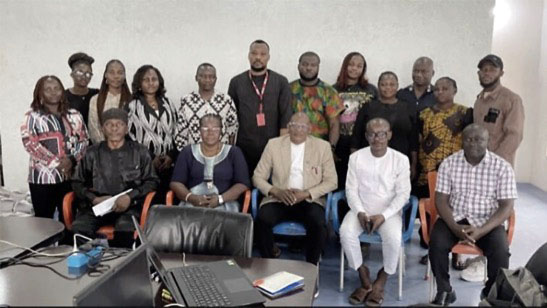
The AIDS, TB and Malaria Network flagged this during advocacy visits to key stakeholders in the state. The network, comprising the TB Network, Network of People Living with HIV and AIDS in Nigeria (NEPWHAN) and Association of Civil Society Organizations on Malaria Control, Immunization and Nutrition (ACOMIN), is implementing the Global Fund GC7 project with the Institute of Human Virology Nigeria.
The project works with civil societies and other stakeholders to strengthen the community system to take ownership of PHCs in their respective communities.
ACOMIN State Coordinator, Effiong Udobong, presented a grim picture of the staffing crisis facing PHCs across the state. According to him, “Cross River currently has only 2,327 Community Health Workers to manage the 1,128 PHC Facilities in the state leaving 1 to 2 health workers at some PHC facilities against the WHO benchmark of at least 7 Community Health Workers for PHC health workers at primary care level.
“The WHO benchmark is nine staff per PHC to deliver the 13 components of Primary Health Care. That leaves many facilities with one or two workers, against WHO’s minimum of seven, ideally nine, per PHC to deliver the 13 components of primary care. Rural areas are the worst hit. Obanliku Local Government has 62 PHCs but just 41 health workers. Atan Eki PHC in Odukpani LGA, one staff member does the work of nine,” he said.
In Ukwa Ibom PHC in Odukpani LGA, he said it has only one health care worker to cover a population of at least 10,000 people in its 6 clans of the ward without access to higher health institutions in case of emergency.
Udobong also decried the non payment of salaries to recently engaged health workers saying it fosters clinic closures and resignations. “Those employed were not paid. Some were posted from Calabar to Bakassi and had to report daily without salaries,” he said.
Integrated CLM Project State Programme Officer in Cross River State, Victor Ogwuche said the situation has left communities stranded and overburdened the few staff left.
Other News
“Old and long-term experienced workers are retiring every month leaving none to mentor the new staff who cannot mentor younger ones. Some are now doing jobs they were never trained for, operating outside their standing orders,” Ogwuche said.
Responding during an advocacy visit by the team to his office, State Auditor General for Local Governments, Abam Eko, said the government lifted the employment embargo and approved 2,000 hires.
But he added that over 7,000 names appeared on the payroll, prompting a panel to review the entire recruitment. “We must ensure due process,” Eko said.
A Director in the Office of the Head of Service, Edem Eyo, said government will act on the network’s concerns once the panel submits its report.
Also, Director General, Cross River State Primary Healthcare Development Agency (CRSPHDA), Dr. Vivien Otu, said steps are being taken to address the crisis.
The network is demanding urgent action. NEPWHAN State Coordinator, Sunday Eminue, called for immediate payment of employed but unpaid workers “to save the system from collapse.”
The Network commended the governor, Senator Prince Otu for providing an enabling environment for partners’ support in the state like BHCPF, IMPACT and other Partners for their efforts to ameliorate the inadequate staff issue.
It also submitted a position paper to the government panel on recruitment asking that CRSPHDA, the agency in charge of PHCs be involved in future hiring to close skill and location gaps.
It advocated for more than 5000 workforce prioritising automatic employment for the qualified health workers already serving as volunteers in facilities across the state, in addition to engaging retired senior healthcare workers on contract to ensure mentorship and knowledge transfer to newly employed staff.