Follow Us on Google

The warning by experts that the nation’s economy may face more troubles if the government fails to tackle the forces pulling it down must be taken seriously by the managers of our economy. The economic outlook for the remaining eight months of 2022 is projected to be bleak with growth in Gross Domestic Product (GDP) below population growth. In the last five years, the economy had recorded two recessions. And for the economy to rebound, it will need to embrace rapid reforms. With general election expected to hold early next year, government should do everything possible to fix the economy.
At this year’s Spring Meetings of the International Monetary Fund (IMF) and the World Bank Group (WBG), the challenges facing Nigeria’s economy and other developing countries featured in the discourse. President of the World Bank Group, David Malpass, said recently that the financial institutions are “deeply concerned” about the impacts of overlapping economic crisis of developing countries. This is because, 60 per cent of low-income countries, Nigeria inclusive, are in debt crisis, and the situation is likely to worsen with interest rate hike by banks which has been predicted to further increase inequality and poverty. This is one of forces pulling down the economy.
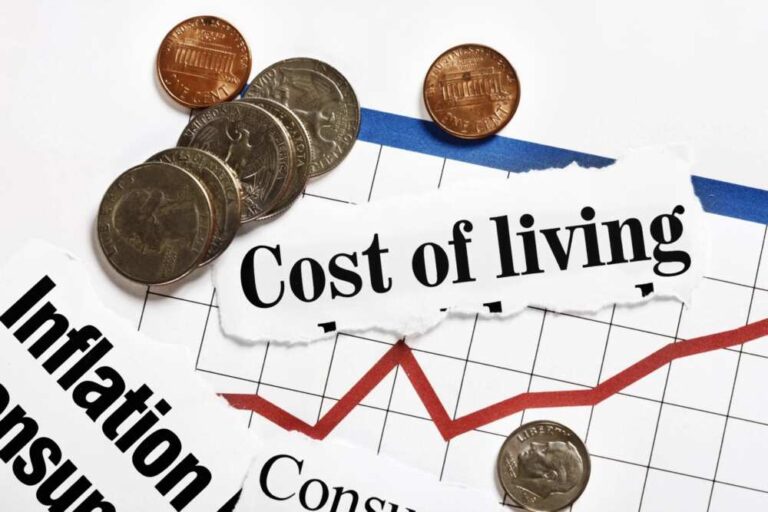
The Economist Intelligence Unit (EIU), a London-based research and analysis division of The Economist magazine, had in its March 23, 2022 report said: “Nigeria’s economic growth will slow more than expected this year as power supply issues, high inflation and expected monetary tightening will hurt output.” That is already happening as the frequent collapse of the national grid has disrupted production chains, while the latest inflation rate of 15.67 per cent for the month of March adjudged the highest in over a year.
From an initial forecast of 3.3 per cent in February, the EIU now expects real GDP growth to decline to three per cent this year. The World Bank and IMF are less optimistic with their growth projections for Nigeria. This is not good news for the economy. Another blow to economic growth can be traced to rising debt, which has surpassed N40trillion, and debt servicing which gulps about 90 per cent of revenue, 193 million barrels of crude oil reportedly stolen in 11q months, with $3.27billion lost to oil thieves and vandals in 14 months. The losses will make it harder for the Central Bank to defend the national currency.
It is paradoxical that Nigeria has failed to take advantage of rising oil prices to rejig the economy. While other oil exporting countries are reaping from the oil price windfall, Nigeria has witnessed increased pressure on both foreign exchange supply and public revenue. For instance, Saudi Arabia has witnessed an expansion of 10.9 per cent in its oil and gas sector since the oil price rise began late last year with an operational profile of $110 billion declared by national oil company, Saudi Aramco, while Nigeria declared only $700 million. NNPC attributed the loss to low crude production, dwindling investment, high cost of production and the debilitating effect of petrol subsidy regime that is spiralling out of control. Besides, the worsening insecurity and external shocks resulting from falling foreign investment is another factor pulling down the economy. A recent data by the National Bureau of Statistics (NBS) showed that Nigeria could only attract N698.7 million of Foreign Direct Investment last year. This is the worst in 10 years. Perceived harsh economic business environment was cited as the reason. According to World Bank, rising fiscal pressures, poor investments, low revenue generation and inconsistent government policies threaten economic growth in the country.
No doubt, the economy is at the crossroads and need rapid reforms to rebound. For that to happen, government should focus on growth-friendly fiscal adjustment with a shift towards production of goods, especially quality, well-packaged goods for export. Sadly, agriculture, the single largest contributor to the GDP, is yet to receive the necessary boost in government’s diversification effort due to insecurity and herders/farmers clashes. Therefore, the agricultural sector needs urgent revamp to keep the rising inflation down. The financial services sector is also another area to focus on.
Furthermore, government should focus on improving ease of doing business. According to the World Bank Enterprise Survey and report by the Manufacturers Association of Nigeria (MAN), over 300 companies in Nigeria had shut down their operations as a result of harsh business environment. Out of 5,833 companies sampled in the survey, 1,136 also said they were planning to relocate to neighbouring West African countries as a result of bad business environment.
Nigeria is also facing rising debt crisis that puts the country in harm’s way. Let the government desist from binge borrowing and evolve pragmatic fiscal and monetary policies that will boost economic growth. While reducing the cost of governance is imperative, government must invest more in education and healthcare and other critical sectors.