Follow Us on Google
From Okwe Obi, Abuja
Farmers have raised concerns over the gradual extinction of indigenous seed varieties, attributing the trend to the increasing importation of genetically modified organisms (GMOs).
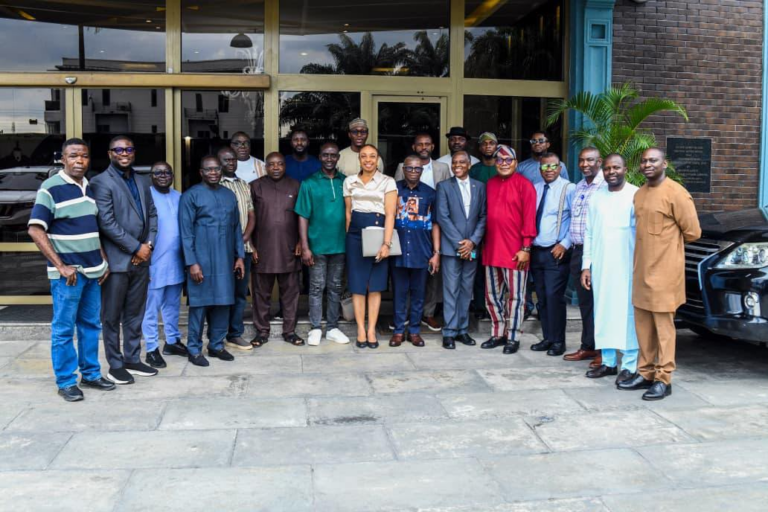
Speaking through the Executive Director of Health of Mother Earth Foundation (HOMEF), Nnimmo Bassey, at a food festival in Abuja on Tuesday, the farmers urged the government to rise to the occasion and address the growing threat to local seed systems.
Nnimmo, represented by HOMEF Director of Programmes, Joyce Brown, said: “We have a number of seeds I cannot mention right now. But there is a particular yam we call 3-leaf yam. It is no more.
“Key concerns regarding GMOs that we cannot afford to overlook include the contamination and loss of Nigeria’s genetic resources and diversity due to cross‑pollination from genetically engineered crops;
Other News
“Soil degradation resulting from the transfer of toxins from GMOs such as Bt cowpea and cotton (produced by the introduction of the Cry1Ab toxin from the bacterium Bacillus thuringiensis); and the loss of food sovereignty as corporations control the seeds, forcing farmers to buy seeds season after season—negating the age‑long Nigerian/African culture of saving and sharing seeds.”
Deputy Director of Environmental Rights Action/Friends of the Earth Nigeria, Mariann Bassey‑Olsson, maintained that the government must combat the inflow of GMOs into the country.
Bassey-Olsson said that more than 30 countries worldwide have banned GMOs, including EU members such as France, Germany, Austria, Greece, Hungary, the Netherlands, Latvia, Lithuania, Luxembourg, Bulgaria, Poland, Denmark, Malta, Slovenia, Italy, and Croatia.
She added that Belize, Ecuador, Mexico, Peru, and Venezuela have banned GMOs, while African nations such as Algeria, Madagascar, and Zimbabwe prohibit both importation and cultivation.
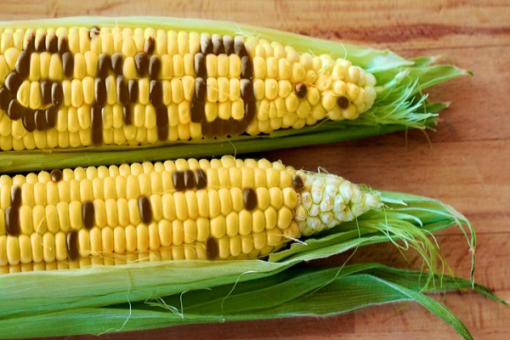
“In 2024, Mexico imposed an indefinite ban on genetically engineered corn, citing evidence that it poses “the risk of imminent harm to the environment,” she added.