Follow Us on Google
By Benson Michael
Communities across the world continue to play a defining role in shaping public health outcomes, particularly in times of social and economic pressure.
From urban centres in the United Kingdom to growing cities and emerging regions in Nigeria, grassroots engagement remains one of the most effective and enduring drivers of better health.
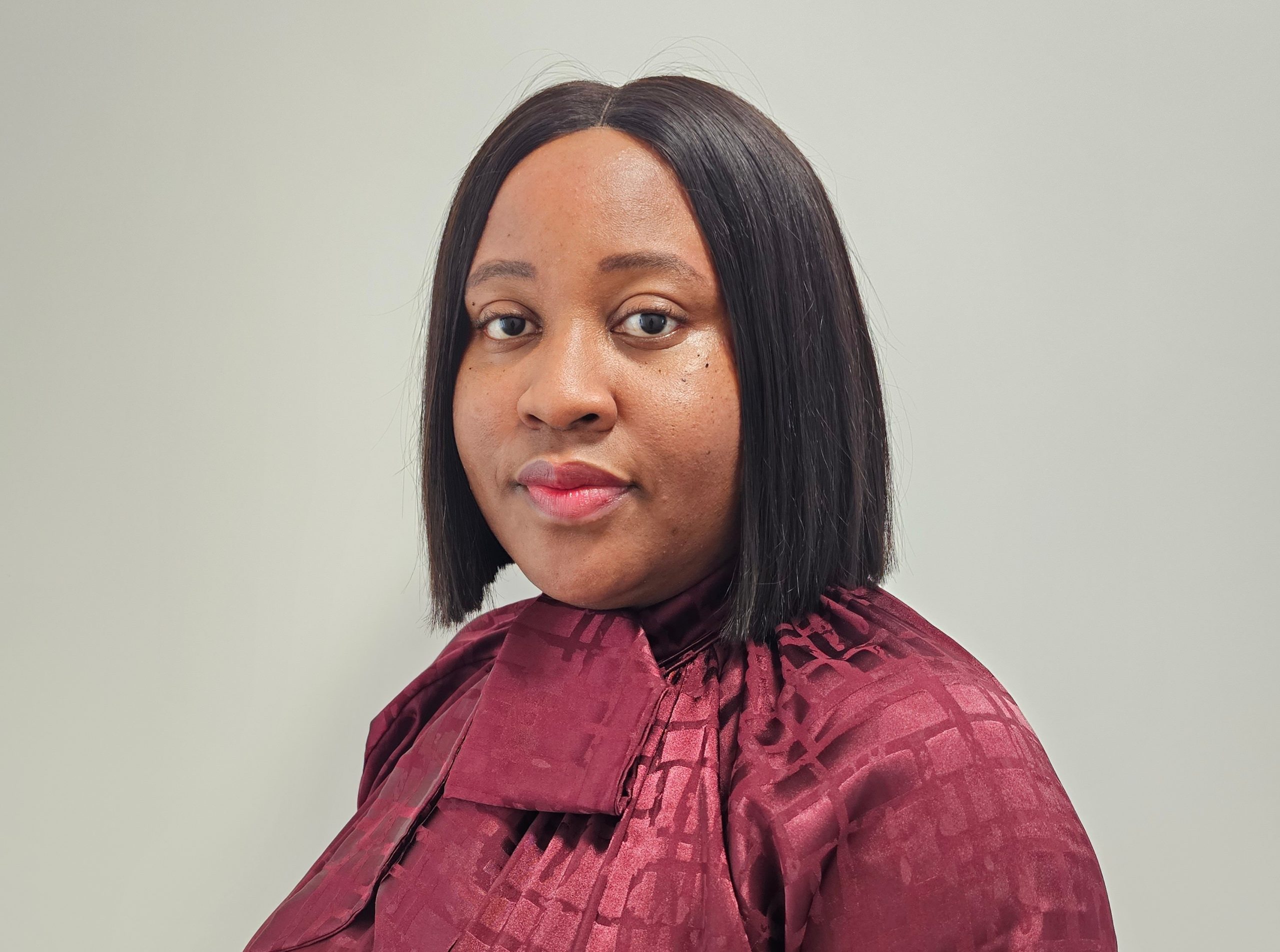
Public health educator and researcher Dr Chinomso Uzoechi has called attention to the essential role communities play in driving long-term wellness and improving quality of life for individuals and families.
Drawing from experience in both nations, Dr Uzoechi emphasises that health education, cultural understanding, and community trust are the foundation of successful health improvement. She explains that meaningful progress happens when public health systems listen to real lived experiences, acknowledge local challenges, and partner with communities instead of prescribing solutions from the top.
“Public health thrives when people are not just informed but empowered,” Dr Uzoechi said. “Communities hold deep knowledge about their own needs. When that knowledge guides health programmes, the results are stronger, more relevant, and more sustainable.”
Dr Uzoechi has seen firsthand how community-driven initiatives transform engagement, strengthen prevention, and inspire healthier decision-making. In Nigeria, grassroots education campaigns, school-based health programmes, and faith-focused wellness advocacy have helped families adopt healthier behaviours and expand awareness of mental wellbeing, disease prevention, and family health.
In the United Kingdom, collaboration between universities, local authorities, and community networks has supported mental health initiatives, student wellbeing, and preventive care access.
She believes both regions offer lessons that the world can learn from. “In Nigeria, communities demonstrate resilience, unity, and a shared responsibility for wellbeing. In the United Kingdom, structured support systems and coordinated frameworks show the power of policy and institution-led health strategy. When these strengths come together, we create a public health model rooted in compassion, science, and community voice.”
According to Dr Uzoechi, listening to communities is not a courtesy, it is a requirement for impact. She highlights that cultural understanding, accessible language, and respect for social values allow health messages to resonate and create real behaviour change. Programmes that lack cultural consideration often struggle to gain trust or adoption.
“People listen when they feel seen and respected,” she said. “Public health must speak to identity, experience, and daily life. When we meet communities where they are, we open doors to lasting change.”
Dr Uzoechi continues to encourage partnerships between government agencies, educators, and community leaders, noting that health experts cannot work in isolation. Health outcomes are strongest when the public participates in solution-building. She believes that the future of global wellness depends on collaboration, shared responsibility, and community-powered strategies.
“Health is a collective journey,” she added. “When communities lead, when institutions support, and when public health becomes a shared mission, societies become healthier and more resilient.”
With growing attention on preventive healthcare and wellbeing around the world, Dr Uzoechi’s message reinforces an evolving mindset. The most effective health systems are scientifically grounded. They are community anchored, culturally aware, and driven by the belief that every individual deserves the opportunity to live well.