Follow Us on Google
From Sola Ojo, Abuja
Once upon the time, Gajagaja, (not Jagajaga) was just another quiet village tucked away after Pambegua in Kubau Local Government Area of Kaduna State.
Today, the story is different. The coming of the Girima Dam has transformed the now ‘riverside’ place into a thriving centre of activity where water has become the people’s lifeline.
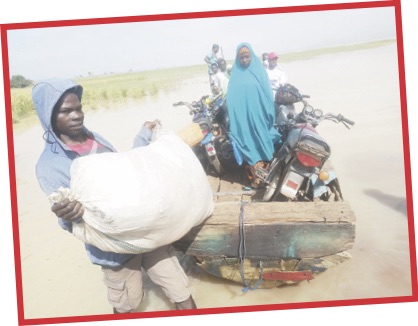
The dam, which was built over a decade ago, according to locals, now feeds families, powers small businesses, and connects several neighbouring communities, giving birth to what locals proudly describe as “a life around the water.”
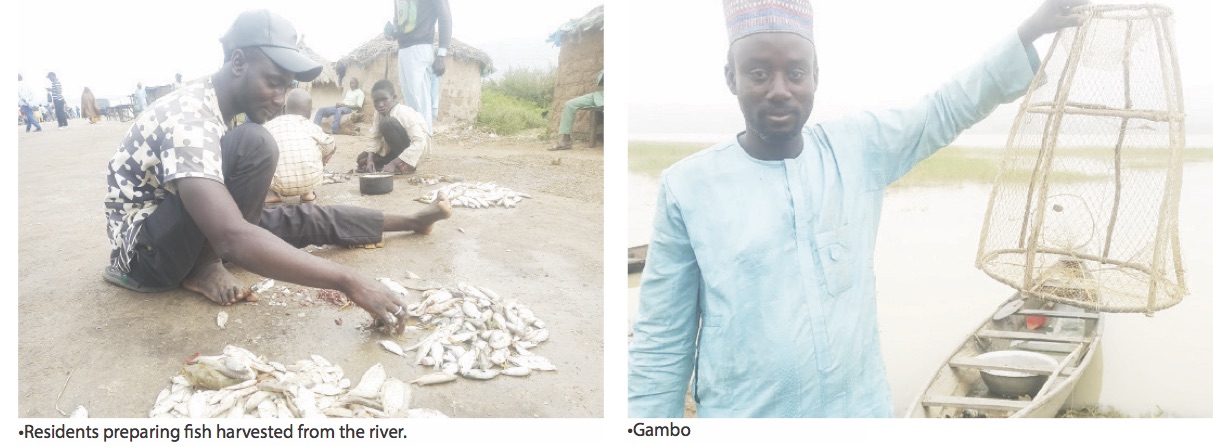
All around Gajagaja, the hum of life rises with the rippling water, fishermen casting their nets, farmers tending to their irrigated plots, ferries ferrying goods and people across, and herders leading their cattle to drink from the dam’s excess water that sustain lives.
What once threatened to flood and isolate the community has become its greatest blessing, especially with the development of several integrated farms spread across thousands of hectares in Kabau forest reserve.
Already, a farm like Arla Dano is already attracting visitors from within and outside the country, many of who must passed through this village to and from their destinations.
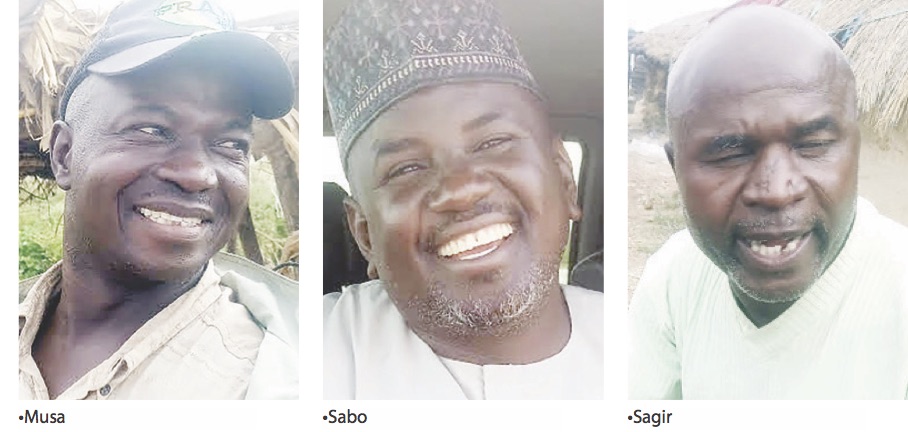
So, for someone like Sagiru Ya’u, who migrated to Gajagaja because of the dam, as well as to others like him, the river is everything.
“This excess water from the dam is a blessing, not a curse,” he said, pulling out his fishing net with a satisfied grin.
“It is really saving lives. Apart from the fact that we rely on it for fishing and irrigation, it serves as protection against people with evil intentions.
“You have to think twice before you plan to attack us. You know, fishermen are always in different parts of the river, watching.”
For him, every day on the water brings hope. “On a good day, I make up to N20, 000. On a bad day, maybe N2,000. But one thing is sure, this river never leaves us hungry.”
Another resident, Musa Yusuf, has built his livelihood around the steady supply of fish from the dam.
Sitting beside a large frying pan and smoke-filled wooden table surrounded by smoke and the smell of fresh catch, he explained, “Here, I buy fish from our local fishermen, fry it and sell to everyone.
“This is what I do to sustain myself and my family. The dam gives us food and keeps us going. Even travellers passing by stop here to eat. Everybody benefits from this water,” he said.
To Ali Gambo, who has spent two years in Gajagaja, the benefits of the dam go beyond fishing.
He said: “Some of us are fishermen because of this dam. We take our fish to Kaduna town and even to some parts of Plateau State.
“Apart from that, the dam helps us plant in both rainy and dry seasons. We do irrigation farming. A lot of our youths are also doing canoe and ferry business.
“In fact, all the animal rearers around are happy with the water because it is always available to provide fresh water for their herds. We don’t pray for a bridge now because it will take away our livelihoods.”
or motorists like Dabo Ibrahim, who has been plying the road for about five years, the story of the dam is one of adaptation and survival.
“This is Ruwan Sayin. There used to be a small bridge over there,” he recalled, pointing at the glistening expanse of water.
“Later, the dam spilled over and washed away that bridge. This road links several communities like Anchau, Ikara, Tasan Yari and even routes towards Kano.
“The canoe and ferry services here reduce fuel consumption compared to using the long alternative roads.
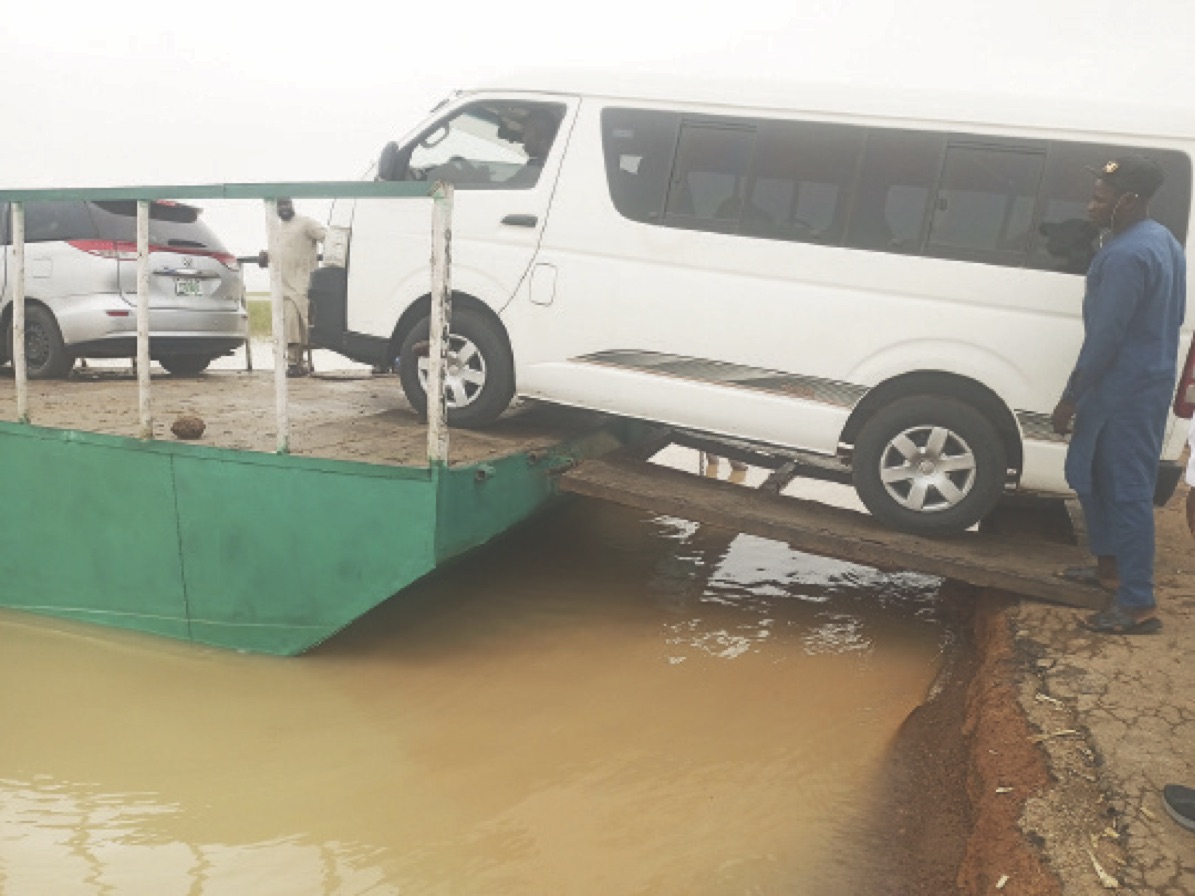
“We need a proper bridge, but even the ferry was brought here from Lagos by one Yoruba man. He trained some youths here to operate it. We are managing it.
“But, sometimes, you have to wait up to an hour before your turn to cross with your vehicle. So, you have to plan to be here early.
“Meanwhile, you must make all your important calls here before crossing to the other side where there is no cellular network,” he shared.
At the centre of it all is Abdulaziz Abdullahi, the operator of a 70-horsepower Suzuki petrol-engine ferry, known in local parlance as Jirgin Ruwa. His voice rose above the steady hum of the engine as he explained to this correspondent the story of his fe as he busied himself navigating the waters.
“This is what we do here. The water is a source of livelihood for many of us. It takes about seven minutes to cross over. We charge N400 per individual, N800 for motorcycles, and N4,000 for vehicles. Multiply these prices by two for to and fro.
“Sometimes, we go six trips or more, especially when the farms across have open days or other important events that attract large numbers of visitors,” he said.
When asked about safety, he shrugged: “We don’t have life jackets, though we have never recorded any mishap. But if we have, we would use them,” he said.
To these Nigerians who currently benefit from the dam’s spill over and probably more to come as the forest reserve swells and activities increases, their survival will continue to depend on what they called ‘emergency river.’