Follow Us on Google

From Ndubuisi Orji, Abuja
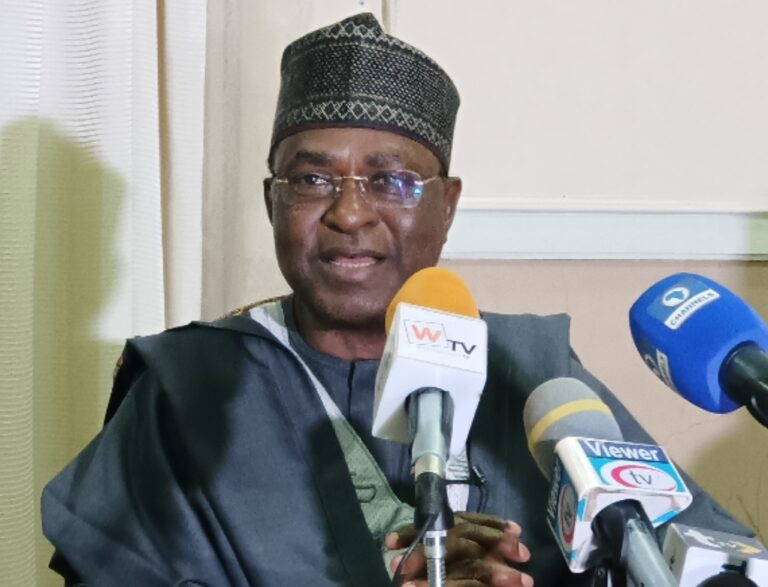
Speaker of the House of Representatives, Femi Gbajabiamila, has said the long term impact of the country’s debt burden and her ability to repay the loans in a sustainable and responsible manner was a cause for concern.
Gbajabiamila, who stated this, yesterday, while welcoming members back from their annual vacation, expressed dismay that the spate of crude oil theft and other acts of economic sabotage has led to massive decline of government revenue.
According to him, in the interactions between the parliament and Ministries, Departments and Agencies (MDAs) on the Medium Term Expenditure Framework and Fiscal Strategy Paper (MTEF/FSP), the major concerns have been what would be the scope of deficit financing in the 2023 budget as well as the decline in crude oil production owing to theft and sabotage.
The speaker explained that in considering the 2023 Appropriation Bill, when it is presented, the House would be guided by the question of how the country can repay loans taken to finance the budget. He noted that the parliament would also take into consideration provisions of extant laws, especially as it relates to financing budget deficits.
“While the House appreciates that our current fiscal conditions necessitate borrowing to finance budgetary expenditures, we are, nonetheless, concerned about the long-term impact of this burden on the country and our ability to pay what we owe in a responsible and sustainable way. These questions will be central to our consideration of the 2023 Appropriation Bill when presented.
“We will also be mindful of the provisions of our laws, especially the Fiscal Responsibility Act, as it relates to the scope of deficit financing of the budget. Ministries, departments and agencies of the government should take note that appropriations for new projects will be influenced by the extent to which existing projects have been funded and their performance in executing these projects as intended.
“Due to theft and various acts of economic sabotage, we are experiencing a massive decline in the volume of crude oil exports. Our crude oil export of 972,394 bpd for August is the lowest we have recorded in the last two decades. At a time when we are already experiencing severe financial constraints, the perpetrators of this brazen heist threaten our ability to serve the Nigerian people and meet the demands of governance and nation-building. Their actions constitute treason against our country, for which they must be held accountable.”
The speaker added that though there were mechanisms in place to curb economic sabotage, they were inadequate, noting that there was a need for a review.
“It is also of particular importance that the perpetrators of these crimes against the state are identified, prosecuted and subjected to the stiffest penalties the law allows. Those who seek to impoverish our country in this manner have declared war against the Nigerian people.
They are no different from the insurgents and terrorists against whom we are battling in various theatres. The government’s response must be sufficient to convince them of the error of their ways and deter others who might be tempted to join in their treason. I met with the Finance Minister and the DG Budget and made it clear to them that enough of crude oil theft. Nigerians don’t want to hear that again. What do you intend to do about it? That’s the important question.”
Gbajabiamila, who noted that electioneering for the 2023 general elections is billed to start soon, admonished members of the House to strike a balance between their legislative work and the campaigns.