Follow Us on Google
From Juliana Taiwo-Obalonye, Abuja
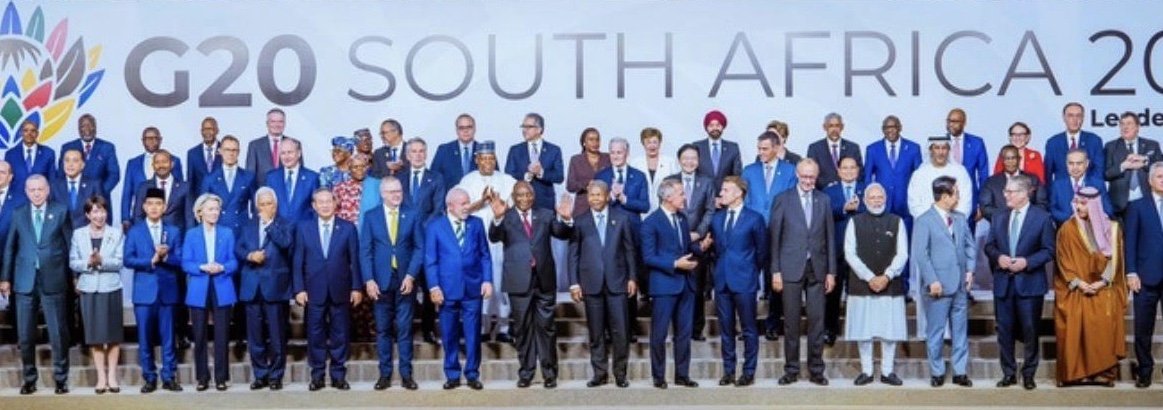
At the 2025 G20 Leaders’ Summit in Johannesburg, President Bola Tinubu called for a global framework benefiting communities in Nigeria and Africa that host critical minerals to ensure value addition at the source.
Represented by Vice President Kashim Shettima, he stressed that critical minerals should drive industrial transformation for Africa but must be governed with fairness, transparency, and accountability.
“Nigeria calls for a global framework that promotes value addition at the source, supports local beneficiation, and ensures that communities hosting these resources are not left behind. The issue before us reaches far beyond the narrow arithmetic of economics and speaks to the moral character of the world we aspire to build,” he said.
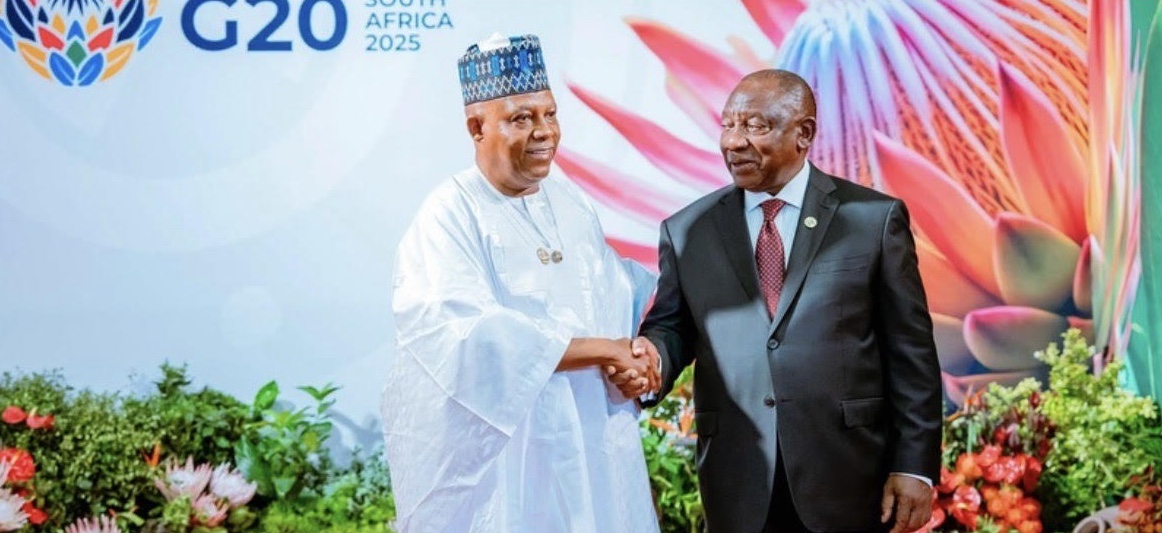
In a statement by the Vice President’s media aide, Stanley Nkwocha, President Tinubu stressed that as the world moves through green and digital transitions, progress must remain people-centred. “Decent work is the anchor that makes these transitions fair, inclusive, and sustainable. It is the foundation of development that ensures every person has the opportunity to contribute, thrive, and share in national prosperity.” He added that Nigeria, through the Renewed Hope Agenda, is investing in future-ready skills by empowering youth via digital literacy, vocational training, and entrepreneurship.
On artificial intelligence, Tinubu supported establishing global ethical standards to uphold safety, transparency, and equity. “We must ensure that AI becomes a tool of empowerment, not exclusion; of job creation, not displacement.” He urged collaboration between developed and developing nations, public and private sectors, and innovation and inclusion, emphasising the need to address systemic bias and foster sustained multilateral dialogue for equitable AI benefits and responsible risk management.
Other News
Regarding global financial flows and debt crises, President Tinubu urged G20 leaders to reform international financial architecture. “Only a more equitable and more responsive system can manage global financial flows with fairness, address recurring debt crises with sincerity and meet the needs of all nations, especially those in the Global South who have too often stood at the margins of global opportunity.”
He warned that current multilateral frameworks were “built in an era far removed from” present complexities. He highlighted that rising debt burdens trap economies in cycles of fragility, turning “local difficulties into global vulnerabilities.” He pressed the need for sustainable financing to effectively implement Africa’s development priorities.
President Tinubu called on the G20 to place debt sustainability and responsible use of critical minerals at the heart of inclusive development policies. “The G20 must, in adopting the Leaders’ Declaration, take with utmost seriousness the responsibility to advance policies that drive sustainable growth, promote financial inclusion and confront emerging risks.”
Through his interventions, President Tinubu painted a vision where Africa becomes not just a supplier of raw materials, but a continent of value creation, innovation, and dignity in work—demanding a fair global system that uplifts every human being with equity and shared prosperity.