Follow Us on Google
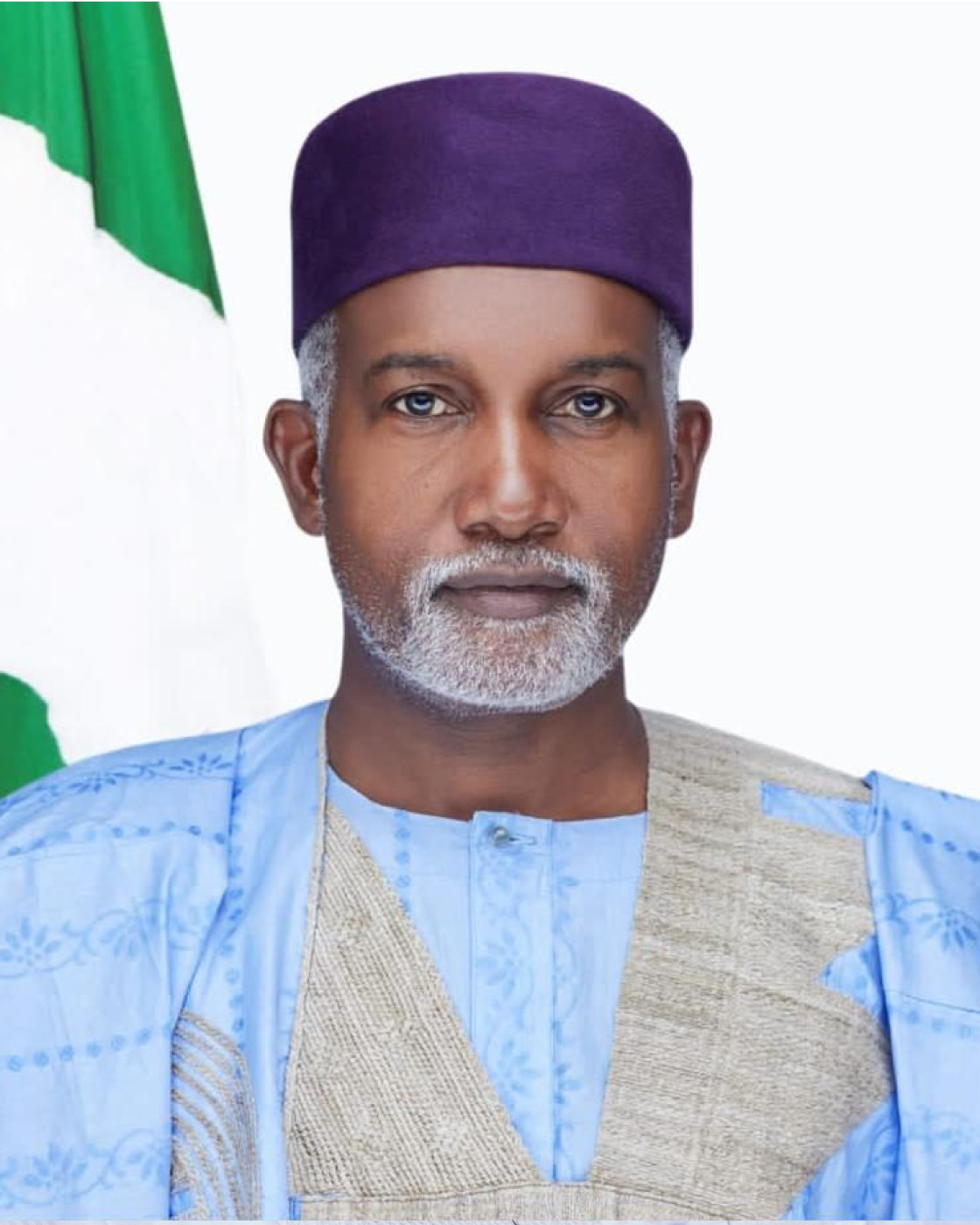
The Minister of Foreign Affairs, Ambassador Yusuf Tuggar, recently disclosed that many of the nation’s diplomatic and consular missions abroad are under financial straits on account of the bad economy and years of budgetary limitations. There are concerns too that the challenges in these missions can be traced to corruption and funds diversion. Arising from this development, our foreign missions have been seriously underfunded, with most of them owing arrears of workers’ salaries. Some of them have been unable to pay their due rentals or pay their utility bills.
According to the minister, the missions have not paid the salaries of locally recruited staff or meet financial obligations to service providers and the Foreign Service allowance to home-based officers. The state of affairs in our foreign missions is sad and unacceptable. Besides, the federal government has not appointed new envoys to these missions across the world following their recall by President Bola Tinubu some months after his inauguration. Till date, he has not appointed new ambassadors, even though some lists of prospective ambassador nominees have been in the public domain. The unsavoury development is embarrassing and must be quickly addressed. Some experts have criticised the non-appointment of ambassadors and described it as diplomatic blunder. We need competent people that will represent the President and Nigerian government in these foreign countries.
Nigeria has 109 foreign missions, comprising 76 embassies, 22 high commissions and 11 consulates across the world. All are managed by the Federal Ministry of Foreign Affairs. They all serve to foster diplomatic relations, attract trade and investment and protect our citizens abroad. They also provide citizens with essential services including visas, travel advisories and protection of their interests while abroad. This can possibly explain why the federal government allocated N302.4 billion for them in the 2025 budget to address their funding challenges. Despite this allocation, the foreign missions are starved of funds and other logistics to make them function effectively. Let the funds due to the missions be quickly disbursed.
Considering the significance of services rendered by these missions, they should be adequately maintained in terms of funding, staffing and other logistics. That some of them do not have ambassadors or heads of missions is sad and unacceptable. The failure to appoint ambassadors and high commissioners will seriously undermine the country’s diplomatic operations. It is even not good for the country’s image in the comity of nations. It also affects the country’s bilateral and multilateral agreements. Indeed, there is no justification to recall ambassadors and high commissioners without putting measures in place to replace them. We urge the government to ensure the welfare of its diplomatic staff and families in these missions. Government must attend to their basic needs.
However, the news that the government is taking decisive steps to address the funding challenge in our missions abroad is pleasing. Ambassador Tuggar said the government has approved the release of special intervention funds to alleviate the effects of the hardship faced by some of the missions. He also reiterated that government has set up a committee to assess and confirm the debt profile of the affected missions to ensure that the remitted funds are judiciously utilized. Our foreign missions are our representatives in those countries. We must ensure that these missions are adequately funded and maintained. The government should not wait for the staff to cry out over poor funding before attending to their basic needs such as paying staff salaries and utility bills.
We call on the President to appoint new ambassadors for our foreign missions without further delay. The avoidable delay in such appointments is hampering the smooth operations of these missions. In making these appointments, let merit be prioritised over and above political considerations. Our envoys must be the best from our country. Those to be appointed must be people of integrity and must also be patriotic. The appointment of ambassadors should not be politicized. Competent people with requisite experience and knowledge should be appointed irrespective of political affiliations. The most important thing is to have representatives in our foreign missions. And where it is not possible to have representatives in all our foreign missions, the government can restructure some of them or even close down some of them.