Follow Us on Google
•As Tinubu, Atiku war gets messier
•Obi, Makinde, Sowore, others express divergent views
By Fred Itua, Abuja
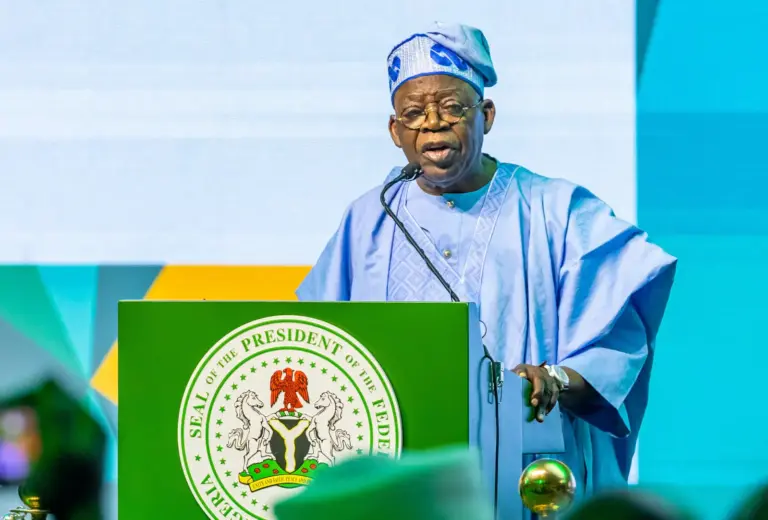
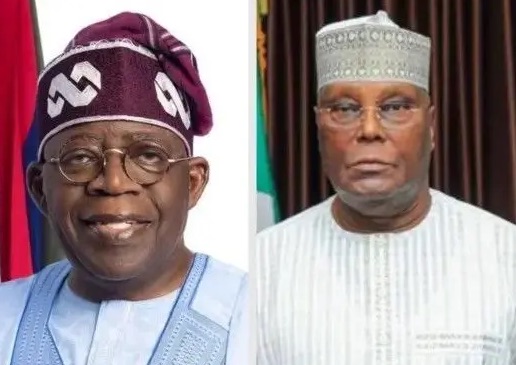
The fuel subsidy war between President Bola Ahmed Tinubu and the African Democratic Congress (ADC) presidential candidate, Atiku Abubakar, got messier this week, with the Presidency accusing the former vice president of offering Nigerians three conflicting explanations of his subsidy policy within seven days.
This is just as a number of presidential candidates of different political parties have expressed divergent views on the matter.
The latest round began on Tuesday when Atiku’s spokesman, Paul Ibe, said the former vice president would restore petrol subsidy if elected in 2027, but would phase it out afterwards. Hours later, another aide, Phrank Shaibu, disowned that explanation as unauthorised and misleading, insisting that Atiku had fixed no date for the removal and would retain the subsidy until domestic refining capacity, supply and competition improved.
Atiku then intervened personally, declaring that his position had not changed and that he would restore what he called a targeted subsidy, adding that Nigeria was rich enough to look after its own people.
Reacting on Wednesday, Special Adviser to the President on Information and Strategy, Bayo Onanuga, described the sequence as Atiku’s third U-turn in one week and accused him of playing politics with Nigerians’ hardship rather than proposing serious economic policy.
Onanuga also disputed the claim that petrol prices alone were driving food inflation, citing insecurity, exchange rates, logistics, storage, flooding and input costs as other factors, and challenged Atiku to state the cost and financing plan behind his proposed targeted subsidy.
The exchange dates back to August 23 when Shaibu accused the Tinubu administration of running selective economics, citing Nigerian National Petroleum Company (NNPC) audited accounts that recorded about N4.84 trillion in energy security expenses in 2023, rising to roughly N7.13 trillion in 2024, under the same subsidy sensitive heading the government insists no longer exists.
He said the administration had granted petroleum investors production tax credits worth up to $11.50 per barrel while ordinary Nigerians bore the full cost of market priced fuel, and demanded to know where the N15.8 trillion in subsidy savings previously cited by Finance Minister Taiwo Oyedele had gone.
Other News
While the two camps traded accusations, other presidential aspirants staked out positions of their own, exposing a field far from united on the subsidy question.
Nigeria Democratic Congress (NDC) candidate, Peter Obi, speaking at the Nigerian Bar Association conference in Port Harcourt on 24 August, distanced himself from Atiku’s call to bring the subsidy back.
Obi said he still supported subsidy removal in principle but faulted the federal government for mismanaging the savings, arguing the funds should have gone into healthcare and other productive sectors instead. His remarks put him at odds with Atiku on the central question even as both men criticised the government’s handling of the proceeds.
Accord candidate, Gbenga Olawepo-Hashim, went further than simply reacting to the Tinubu Atiku clash, presenting his own subsidy framework. He described Atiku as the father of subsidy removal in Nigeria’s Fourth Republic, arguing that Atiku, not Tinubu, had been the earliest major advocate of subsidy removal and wholesale privatisation dating back to his time leading the economic team under former President Olusegun Obasanjo, and said the reversal deserved an apology rather than silence.
Olawepo-Hashim proposed a targeted, transparent subsidy system built around published costs, clear eligibility criteria and measurable outcomes, applied to petroleum and other strategic products, rather than a return to open ended payments to importers.
Oyo State Governor Seyi Makinde, contesting on the Allied Peoples Movement (APM) platform, has by contrast said nothing publicly on the subsidy dispute since it escalated, keeping his campaign’s messaging focused instead on regional and party realignment questions in the South West.
Human rights activist Omoyele Sowore and former Cross River Governor Donald Duke, both vocal on economic policy in earlier cycles, have likewise stayed out of the specific argument now dominating the news cycle, though Sowore has previously been counted among candidates who opposed subsidy removal outright, according to Olawepo-Hashim’s own account of the 2023 field.
Obi wants the subsidy gone but the proceeds managed differently. Olawepo-Hashim wants a return to a redesigned, targeted subsidy. Atiku’s own camp has struggled this week to agree with itself on which of those positions it holds. Makinde, Duke and Sowore have offered no position at all.