Follow Us on Google
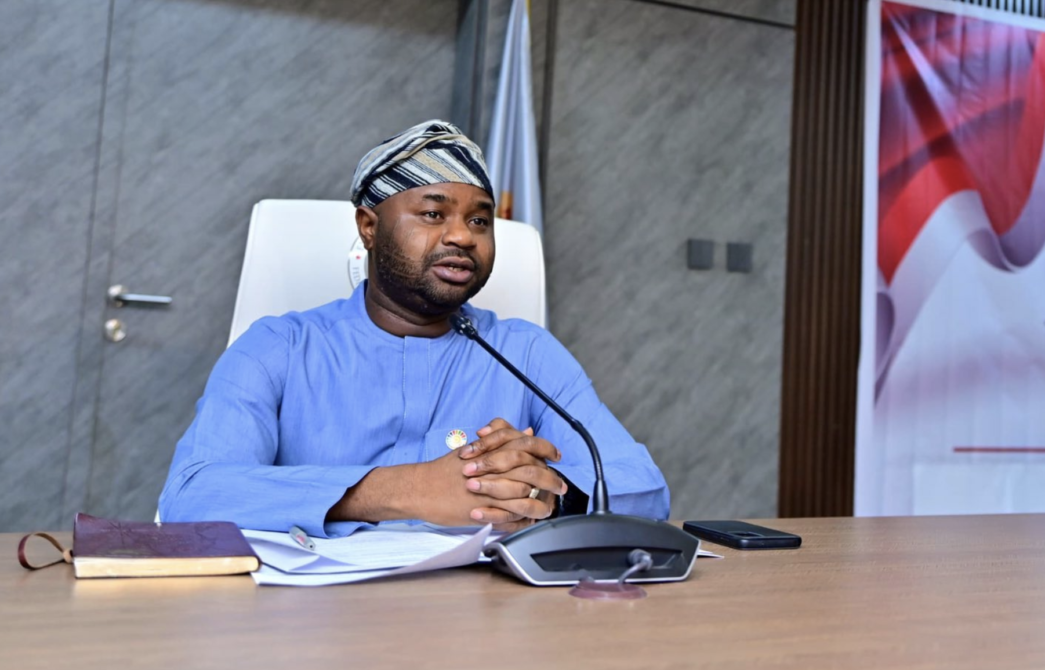
The Chairman of the Nigeria Revenue Service (NRS), Zacch Adedeji, has said retaining Nigeria’s petrol subsidy could have pushed the country’s subsidy bill to about ₦53 trillion and driven the exchange rate to as high as ₦3,500 per dollar.
Adedeji made the claim during an interview on Channels Television’s Sunday Politics, while defending President Bola Tinubu’s decision to remove petrol subsidy in May 2023.
According to him, the subsidy regime was financially unsustainable and had contributed to longstanding structural weaknesses in Nigeria’s economy.
He argued that the economic gains recorded by the Federal Government since the reform were largely linked to the decision to eliminate the subsidy.
“All the good results that I will reel out soon come as a result of that courageous decision (subsidy removal). So, it is not a mistake; it is the best thing that has happened to this country,” Adedeji said.
The NRS chairman maintained that Tinubu inherited an economy burdened by an unsustainable subsidy system, a weak oil sector and a narrow tax base.
He said the administration’s reforms, including the removal of subsidy and unification of foreign exchange rates, were necessary to address the country’s economic challenges.
Adedeji also urged Nigerians to assess the reforms based on their long-term economic implications rather than emotions.
Other News
“What the President deserves now is support and commendation for being a statesman and not a politician. Anybody who says he is coming (to contest as president), just ask them, ‘What will you do differently?’” he said.
He questioned whether critics of the administration would reverse the subsidy removal or the foreign exchange reforms if they were given the opportunity to govern.
“Are they saying that it is wrong that we removed fuel subsidy? Are they saying that it is wrong that we unified the rate?” he asked.
The NRS chairman further argued that maintaining the subsidy would have placed an enormous strain on government finances, particularly amid pressures in the global energy market.
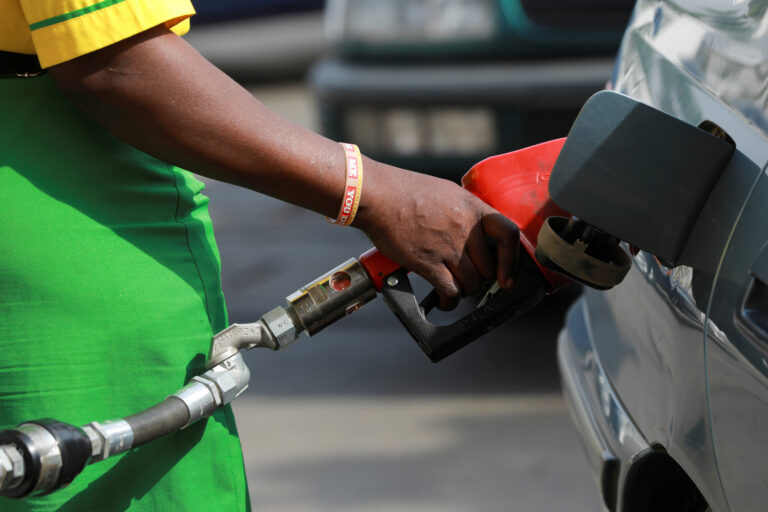
Tinubu announced the removal of petrol subsidy during his inauguration on May 29, 2023, resulting in a sharp increase in pump prices and higher transportation, food and production costs.
While the policy has boosted government revenues and increased allocations from the Federation Account, its impact on household purchasing power and the cost of living remains a major concern.
Adedeji, however, maintained that the reform was necessary to reposition the Nigerian economy and prevent an even heavier financial burden in the future.