Follow Us on Google
From Judex Okoro, Calabar
An international non-profit organisation, Foundation for the Preservation of Cultural Heritage in Nigeria (FOPCHEN) in partnership with Gerda Henkel Stiftung has empowered some youths in Cross River State on electrical and solar technologies’ installations.
FOPCHEN’s core mission is to document, restore, preserve, and conserve both the tangible and intangible heritage of Nigerian communities both at home and in the diaspora.
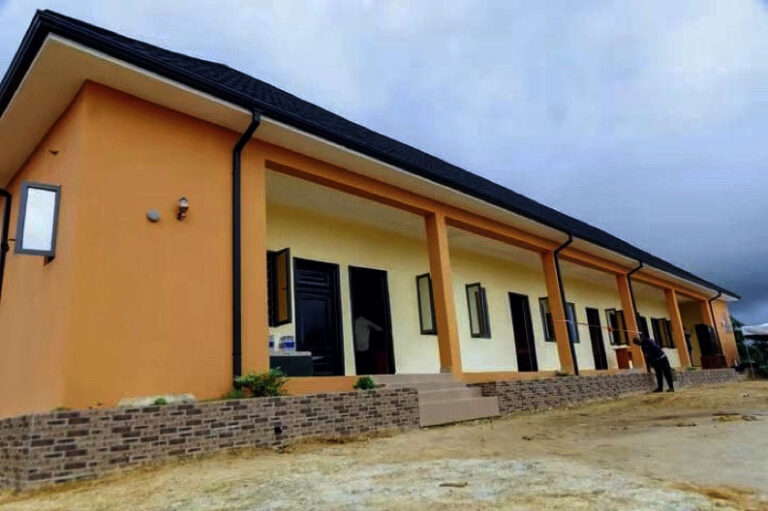
Speaking on the training, the project director, Prof. Bekeh Ukelina, said is part of the Netzero Sustainable Housing Demonstration Center project, which is aimed at reducing greenhouse gas emissions while providing high-demand skills that young people need to be gainfully employed or start their businesses.
According to him, “it is projected that between now and 2030, the compound annual growth rate of solar is going to be 30.8%. By 2030, our government wants 30% of its energy to come from renewable sources.
“We have an abundance of sunlight in Nigeria, and it is our primary source for renewals. What we are doing with this project is training these young people to meet the workforce demand. I am grateful to the Gerda Henkel Foundation for their commitment to make a difference in the lives of our young people and our environment as a whole.”
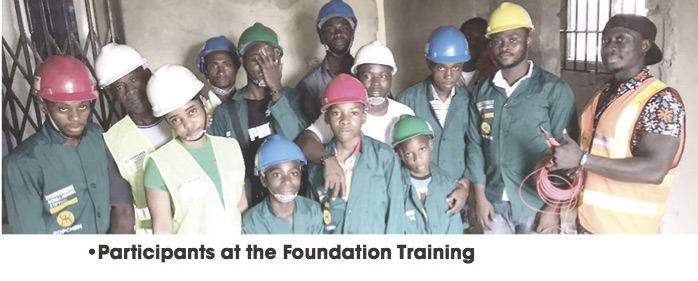
The classes take place six days a week at Akai Efa Primary School, where the students learn about electrical wiring in both residential and commercial sectors. Apart from theoretical knowledge, the students also get hands-on experience by working in buildings within the community.
Also speaking, the trainer, Engr. Kenneth John, said: “We have given them a boot camp experience here, and I am happy with how quickly they are learning. They need to know the electrical aspects before we can move into the solar. They would learn how to install solar panels, inverters, and batteries. In only four weeks, each student can now wire a home.
“Due to the inability of the national grid to supply enough power, many people in Calabar and across Nigeria are turning to alternative forms of energy. The demand for solar energy is expected to increase further in the coming years.”
Twenty young men and women have complete the first batch of training and would be seconded to electrical departments of local companies, businesses, and organizations for eight weeks of internship practical. At the end of the exercise, they would receive certificates and FOPCHEN would work with them to find jobs or start their businesses.