Follow Us on Google
As Nigeria continues to grapple with its myriad of socio-political challenges arising from the coups of 1966, Forum for National Restoration, a broad-based civic and intellectual organisation, has called for a deliberate, honest, and nationally owned process of reconciliation and restoration.
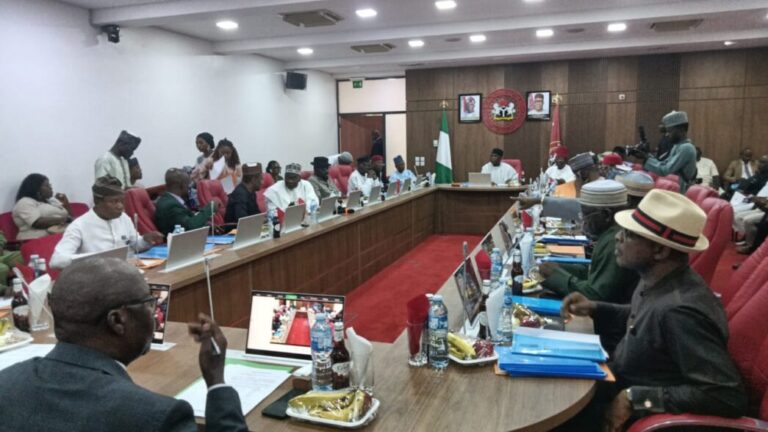
The group at its Abuja summit, noted that the unresolved wounds of Nigeria’s January 15, 1966 military coup, and the counter-coup of July 1966, the mass killings that followed in different parts of the country, and the descent into the Nigerian Civil War, have been a major drawback in the nation’s development.
The Movement examined the 1966 coup as a defining rupture in Nigeria’s post-independence journey and one whose violent disruptions, premeditated and ethnically tilted killings set in motion cycles of mistrust, counter-violence, and enduring grievances that continue to shape the nation’s politics and inter-communal relations.
Participants at the event noted that the coup represented a fatal departure from constitutional order barely six years after independence.
In his presentation during the summit, Dr. Dominic Nnaemeka Okechukwu, an Abuja based medical practitioner, observed that the coup’s aftermath deepened divisions rather than resolved governance failures.
Explaining further, he said that the counter-coup of July 1966, as well as the events that followed in different parts of the country, including the Nigerian Civil War, entrenched a legacy of bloodshed, displacement, and trauma.
He stressed that those events did not merely claim lives; but reconfigured trust, hardened identities, and normalised violence as a pathway to power.
According to him, the long shadow of 1966 has manifested in persistent agitation, feelings of exclusion, and recurring demands for justice, equity, and recognition across regions.
He further noted that the failure to confront the truth of those events, through an inclusive national reckoning has allowed grievances to fester, feeding cycles of suspicion and political brinkmanship.
In his response to audience enquiries during the event, Air Vice Marshal John Chris Ifemeje (rtd) emphasised that the aim of the Forum is not to reopen old wounds, but to heal them by naming the past (truth-telling) honestly and honouring the dead without bias, and reaffirming a shared national ethic that rejects violence and collective blame.
Proposed pathways forward, according to the communiqué issued at the end of the enlightenment summit and planning meetings are that, participants unanimously agreed that Nigeria’s lingering divisions rooted in the pain, grievances, and misinformation surrounding the 1966 coups and its aftermath must be deliberately and objectively addressed in the national interest.
To this end, they resolved to establish a National Reconciliation and Restoration Committee, operating as a collective body with specialised subcommittees, to plan and implement a two-stage National Truth and Reconciliation Conference.