Follow Us on Google
By Funsho Arogundade
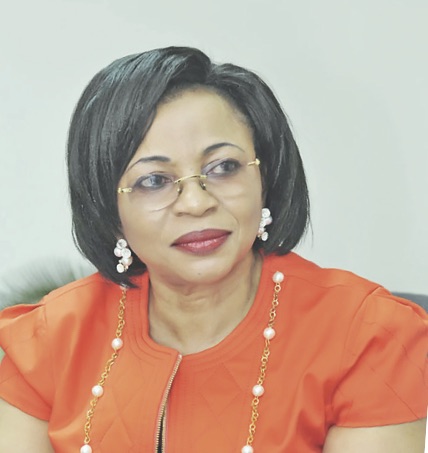
Nigeria’s richest woman and oil tycoon, Folorunso Alakija has always shown herself to be as humble as she is visionary. Despite her extensive oil fortune and reputation as one of the top wealthiest women in Africa, Alakija, however, is profoundly uncomfortable with the super-rich tag as she believes that she is far more than just her fabulous wealth.
To the oil baroness, there is a real value proposition in giving away part of her fortune to help the less fortunate in the society. With the inflow of liquid gold, philanthropy and charity have become the hallmarks of Alakija. Women and their well-being are at the centre of her good deeds.
First was the Rose of Sharon Foundation to support less privileged women, widows and orphans. Then she scaled it up with Flourish Africa to help empower African female entrepreneurs and develop a framework for them to contribute to the continent’s economic growth. Since setting up Flourish Africa, Alakija has put smiles on the faces of thousands of women through grants to support their various enterprises. Year in and year out, Alakija has been speeding up the empowerment initiative’s march towards continental impact.
Other News
Penultimate weekend, she rolled out N300 million in grants to 100 deserving women entrepreneurs across Nigeria. The beneficiaries were selected from various sectors, including manufacturing, agribusiness, food processing, fashion, beauty, and services.
After a rigorous training and competition process, each beneficiary received a N3 million free grant to support their small businesses. Out of 409 submitted business plans, 200 advanced to pitch sessions, and an independent panel selected 100 winners.
At a ceremony in Lagos where the funds were awarded, Alakija said the narrow selection process was intentional, arguing that money without preparation can drown a young business as quickly as it can lift it. The grants, she framed it, as a bet on women who already drive Nigeria’s small business economy.
The oil baroness emphasised that capital must come with structure for a venture to survive Nigeria’s challenging terrain and grow into an employer. She added that the plan was to empower women who would empower other women to close the economic inequality gap. To her, backing women-owned enterprises has a ripple effect, as families tend to eat better, children stay in school longer, and communities gain locally rooted jobs when women’s businesses thrive.