Follow Us on Google

By Chinenye Anuforo
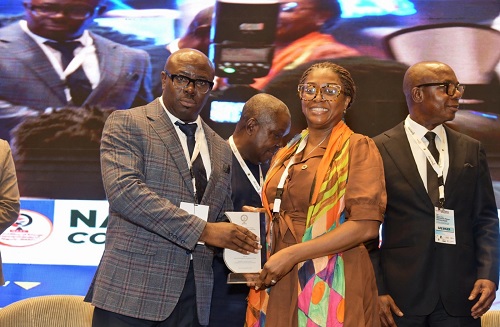
Telecommunications industry leaders rose from the recent 7th Policy Implementation Assisted Forum (PIAFo) Summit on Critical National Information Infrastructure (CNII) implementation with a unanimous declaration that President Tinubu’s Executive Order on the initiative was insufficient to secure telecom infrastructure.
According to them, there are more pressing challenges begging to be addressed, especially internal and standardisation issues.
They highlighted vandalism, unauthorised installations and cable theft as major threats, proposing solutions beyond CNII’s scope.
Preferring solutions, the Chairman of the Association of Licensed Telecoms Operators of Nigeria (ALTON), Gbenga Adebayo, emphasised proper maintenance and installation to prevent vandalism and theft, citing unsecured manhole covers and poles as common targets. “When properly installed, these components are difficult to remove. However, due to negligence, they are often left unsecured, making them easy targets for theft,” he said. He also noted community resistance due to past contractor damages, urging better community relations. “A diesel supplier was blocked from entering an estate because a previous contractor had damaged their property and failed to make repairs. This lack of accountability breeds distrust and delays crucial projects,” he explained.
Adebayo pointed out unauthorised infrastructure installations causing damage during government projects, stressing the need for approvals and collaboration. “Government agencies often damage unregistered infrastructure simply because they were not documented in official records. Proper approvals and collaboration with authorities will ensure accountability and protection of critical infrastructure,” he noted. He called for internal industry solutions before relying solely on CNII.
In his intervention, Tony Emoekpere from the Association of Telecommunication Companies
(ATCON) amplified these concerns and emphasised standardisation and coordination. He noted ethical issues like theft within the workforce, requiring both technical and moral solutions. “We are dealing with a moral challenge. An engineer who switched from diesel to gas generators encountered a new problem, workers began stealing engine oil instead, as they could no longer siphon diesel. These issues require both technical and ethical solutions,” he explained. He advocated for standardised deployment and policy enforcement, highlighting Nigeria’s implementation challenges despite strong policies. “If infrastructure is deployed in a suboptimal manner, failure is inevitable. We need to establish proper standards that all stakeholders, government, private sector, and the public can align with,” he stated.
“We must move beyond discussions and focus on actionable steps, follow-ups, and policy enforcement,” he added.
Wale Owoeye of Cedarview Communications addressed rampant cable theft, with Airtel reporting cuts every six minutes. “Cable theft is a serious issue. Airtel representatives told me they experience a cable cut every six minutes. The assumption that all black cables contain valuable copper leads to reckless vandalism,” he explained. He proposed community reorientation, strict legal enforcement, and proactive measures. “We need to engage local communities in their native languages, educating them on the consequences of vandalism. Strict legal penalties, including long-term imprisonment, should be enforced to deter offenders,” he said. “Prevention is always more effective and cost-efficient than restoration,” he noted.
Owoeye suggested a dedicated fund for advocacy, pledging 500,000 Naira quarterly, urging industry support. “This is like planting a seed. With collective effort, we can grow it into a sustainable solution for protecting Nigeria’s telecom infrastructure,” he said.
Speakers collectively called for collaboration among industry, government, and communities to enforce policies and implement practical solutions for sustainable telecom infrastructure protection.