Follow Us on Google
From Ndubuisi Orji, Abuja
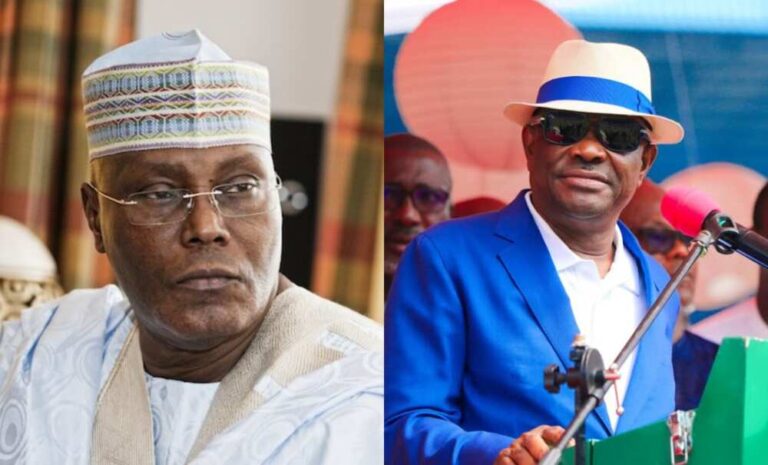
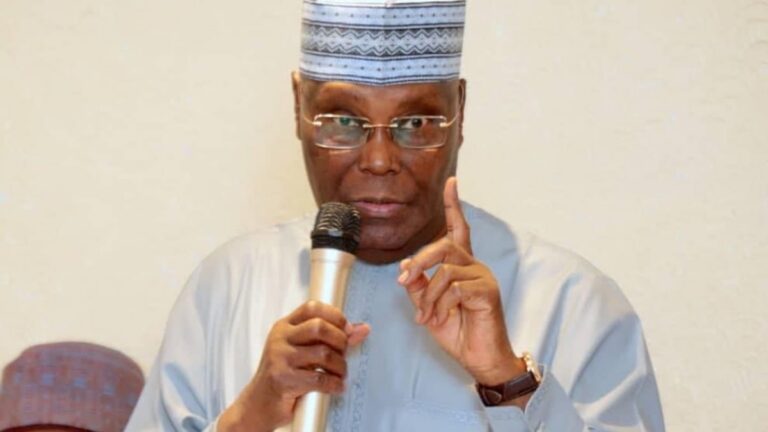
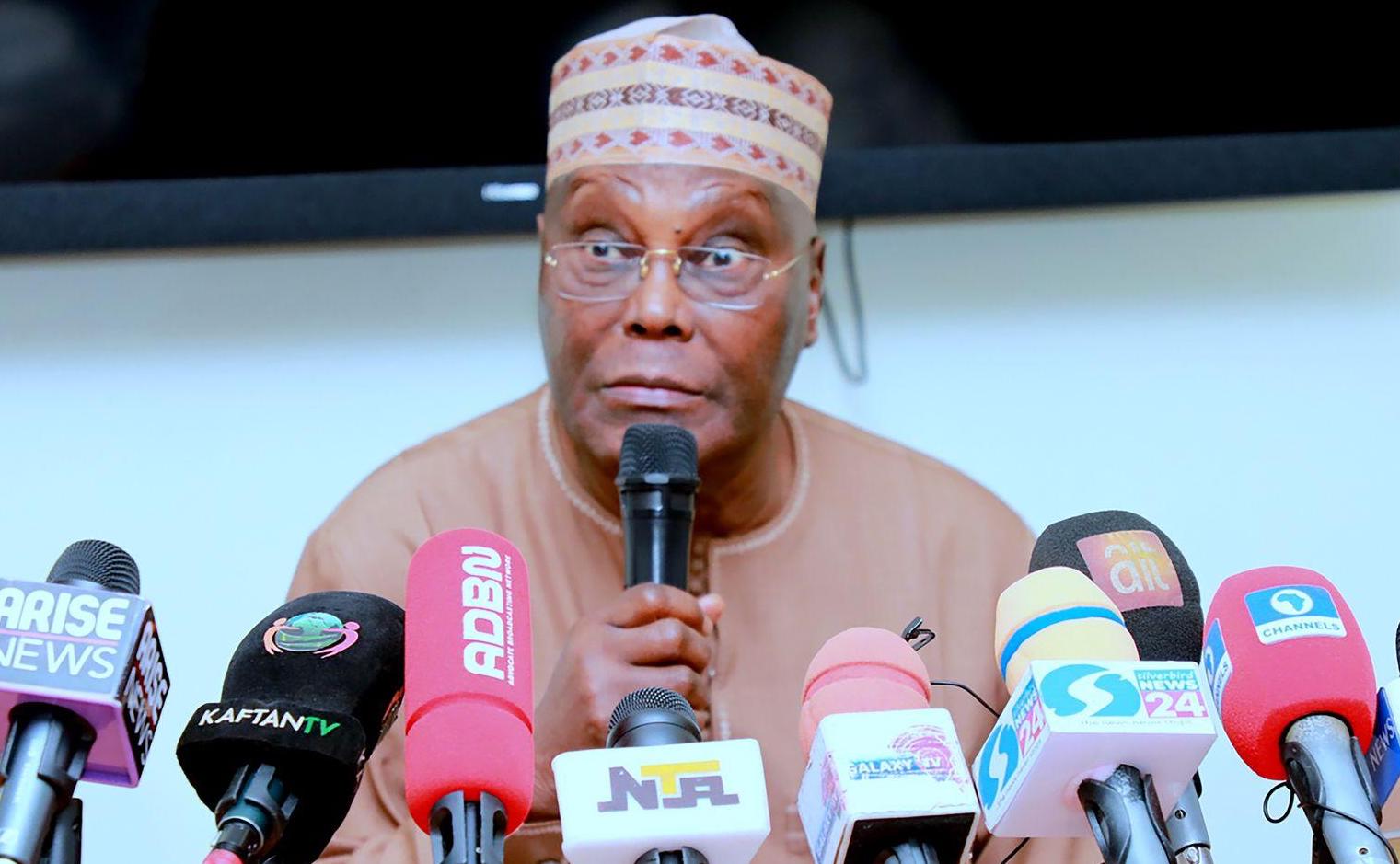
African Democratic Congress ( ADC) Presidential Candidate, Atiku Abubakar, has said that the Federal Government’s “unprecedented appetite” for domestic borrowing is allergy starving Nigerian businesses of credit, as well as killing jobs and worsening the cost-of-living crisis.
Atiku, in a statement by his Senior Special Assistant on Public Communication, Phrank Shaibu, said it is alarming that President Bola Tinubu administration has continued to borrow at a “frightening pace”, even when crude oil prices have risen substantially above the assumptions upon which the 2026 budget was built.
According to him, though the Federal Government budget for the 2026 fiscal year is based on an oil benchmark of $64.85 per barrel, the price of crude has risen substantially above the benchmark.
The former Vice President noted that “yet, instead of this windfall translating into lower borrowing, stronger businesses and relief for Nigerians, the Federal Government went into the domestic market and borrowed a staggering ₦24.7 trillion between January and August 2026 — 90.5 per cent more than the ₦12.98 trillion borrowed in the corresponding period of 2025.
“This is not fiscal management. This is a government borrowing like drunken sailors in the middle of a revenue windfall. Tinubu removed fuel subsidy and told Nigerians the sacrifice would free up money.
“He floated the naira and government revenues consequently received a massive nominal boost. Oil prices have risen sharply. Revenues have improved. Yet the borrowing has not gone down — it has exploded. So the question Nigerians must ask again is very simple: where is the money going?”
Atiku added that “what makes this recklessness even more damaging is that government is now competing directly with Nigerian businesses for money. Credit to government grew by 43 per cent, while credit to the private sector grew by only 9.6 per cent. Government credit is expanding about 4.5 times faster than credit to businesses.
“This is yet another troubling signal that the Tinubu economic reforms have failed to produce any meaningful impact on the private sector.
“Ordinarily, the outlook and performance of the private sector should serve as one of the clearest yardsticks for measuring the effectiveness of government economic policy. If businesses are expanding, investing, hiring and gaining easier access to capital, then reform can claim some measure of success.
“But under Tinubu’s economic policy, the exact opposite is happening. The public sector is exerting an increasingly parasitic effect on the private sector — consuming the credit, capital and financial oxygen that productive businesses desperately need.
“That, at a glance, is one of the clearest indictments of the failure of these so-called reforms.When banks can lend to government at attractive, risk-free rates, why would they lend cheaply to the manufacturer in Aba, the furniture maker in Kaduna, the agro-processor in Kano or the young entrepreneur in Lagos?
“The result is obvious: businesses pay more for credit, expansion is postponed, factories struggle, jobs disappear and the cost of producing everything from food to household goods rises.”
The ADC candidate argued that the government is is not merely borrowing money, “it is borrowing away the future of Nigerian businesses”, stating that the country cannot achieve prosperity when the
government “swallow the credit” that should finance production.
Furthermore, Atiku stated that “An economy grows when businesses borrow to build factories, farmers borrow to expand production and entrepreneurs access affordable capital to create jobs — not when government becomes the biggest and most voracious customer in the banking hall.
“My administration will impose fiscal discipline, cut waste, prioritise productive expenditure and progressively reduce government’s suffocating dependence on the domestic credit market.
“Government must make room for the private sector to breathe, invest, produce and employ. After three years of sacrifice, Nigerians deserve to see what happened to the subsidy savings, the additional revenues and the crude-oil windfall.
“You cannot collect more, earn more and still borrow more — while asking hungry Nigerians to sacrifice more. Something is fundamentally wrong with that equation.”