Follow Us on Google
From Juliana Taiwo-Obalonye, Abuja
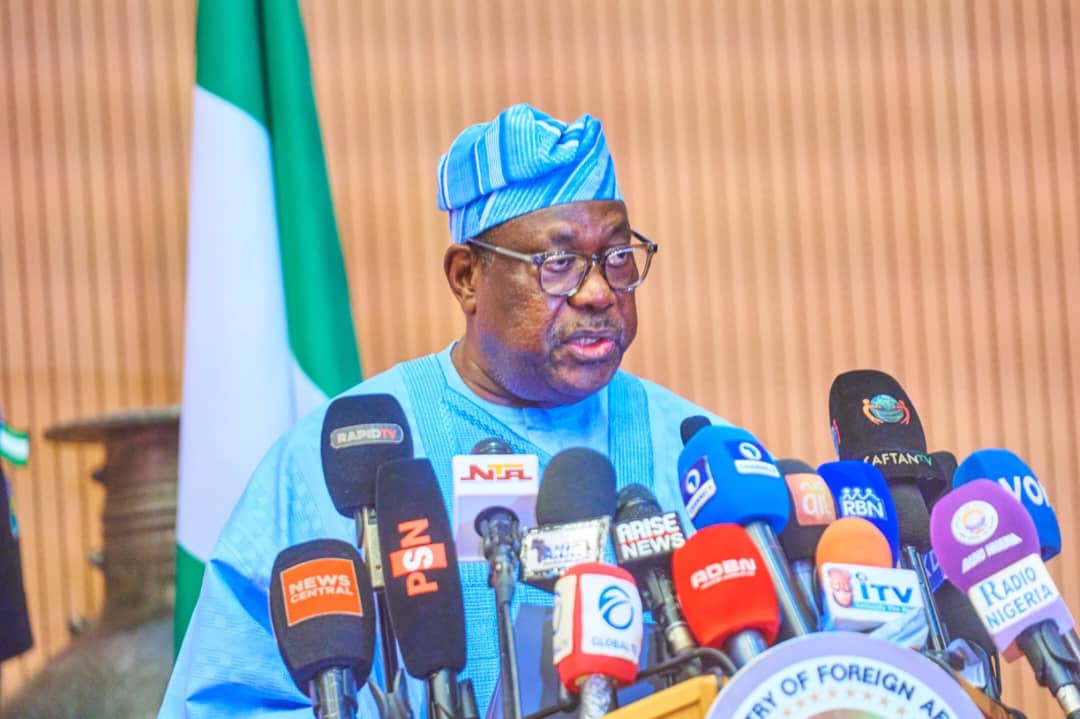
Secretary to the Government of the Federation (SGF), George Akume, yesterday urged Nigerians to deepen their civic responsibilities and guard the country’s democratic gains as the nation marked the 27th anniversary of return to civilian rule.
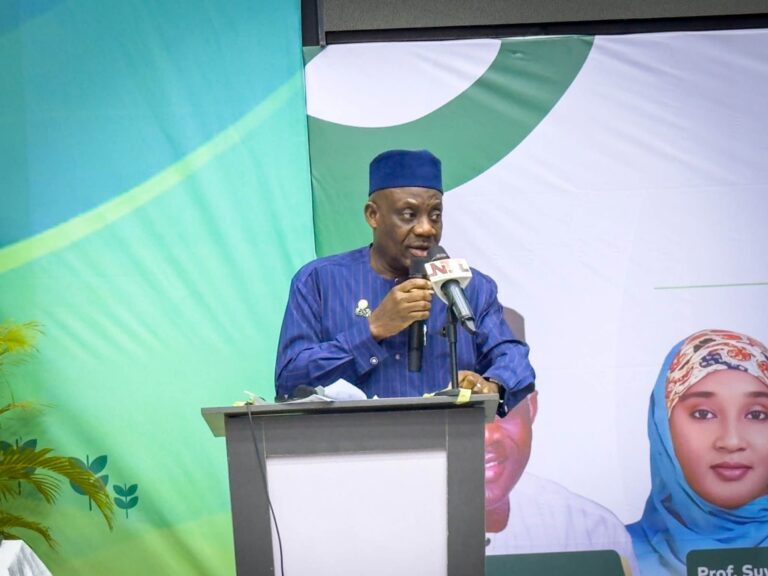
In his welcome address at the public lecture to commemorate Democracy Day at the State House Conference Centre, Abuja, Akume described the anniversary as both a celebration and a moment of sober reflection on the strengths and weaknesses of Nigeria’s democratic experiment since May 29, 1999.
“Twenty-seven years ago, on May 29, 1999, Nigeria made a decisive return to democratic governance,” Akume said. “That solemn ceremony was a bond between the Nigerian state and its people. It was a hallowed promise that the will of the citizens would, henceforth, be the foundation of governance.”
The SGF outlined the week-long programme leading up to the lecture, saying activities included special Juma’at prayers on June 5, an interdenominational church service on June 7 and a world press conference on June 9.
He said the lectures and religious observances were intended to showcase Nigeria’s diversity and collective resolve to celebrate democratic freedoms and give thanks to the Almighty.
He praised the National Institute for Policy and Strategic Studies (NIPSS) and introduced its Director-General, Tayo Omotayo, as the guest lecturer. “NIPSS is the prestigious think-tank where our current and future policy makers are baked into world-class experts in governance and leadership,” he said. “What you will be hearing from the DG, therefore, is the best cerebral work that Nigeria can boast of.”
Highlighting achievements, he pointed to economic expansion and infrastructure projects inaugurated or underway since 1999. He said Nigeria’s gross domestic product had grown from roughly $46 billion in 1999 to become one of Africa’s largest economies, while revenue streams had diversified and financial inclusion had widened. He listed ongoing or completed projects, including the Lagos–Calabar Coastal Road and the Sokoto–Badagry Superhighway, as tangible outcomes of democratic governance.
Other News
“Democratic governance has given Nigerians access to health services through the National Health Insurance Scheme and to education through the Universal Basic Education and lately through the NELFUND. Our democracy has, indeed, enabled Nigerians to dream, aspire and increasingly achieve.”
He also warned that democracy’s gains must be appraised honestly. He identified electoral integrity as a work in progress, noting that while the electoral management body and the judiciary have shown growing independence, persistent allegations of corruption continue to undermine confidence in the vote.
“Democracy is not merely the act of voting; it is the guarantee that every vote counts equally,” he said.
The SGF also flagged the imperative of national cohesion, urging Nigerians not to allow ethnic, religious and regional divisions to hollow out democratic institutions. He called for constant interrogation of democratic credentials and the capacity of institutions to serve a diverse population.
He noted that the lecture themed, “27 Years of Democratic Governance: Achievements, Challenges and the Road Ahead” was an invitation to reflect on the past, assess the present and chart a clearer course for the next 27 years. “The puzzle is: What kind of democracy do we want for Nigeria in the next 27 years?” he asked.
He appealed to citizens to identify personal roles in strengthening democratic systems. “We are all core stakeholders,” he said. “Nigeria is worth all our sacrifices and our democracy is worth defending. The present and upcoming generations are standing on the shoulders of those who struggled for civil rule and they have both the responsibility and the opportunity to build the nation our founding fathers envisioned and which our children deserve to inherit.”
The public lecture formed part of official Democracy Day events organised by the Presidency and drew government officials, policy experts, diplomats, media practitioners and civil society representatives.