Follow Us on Google
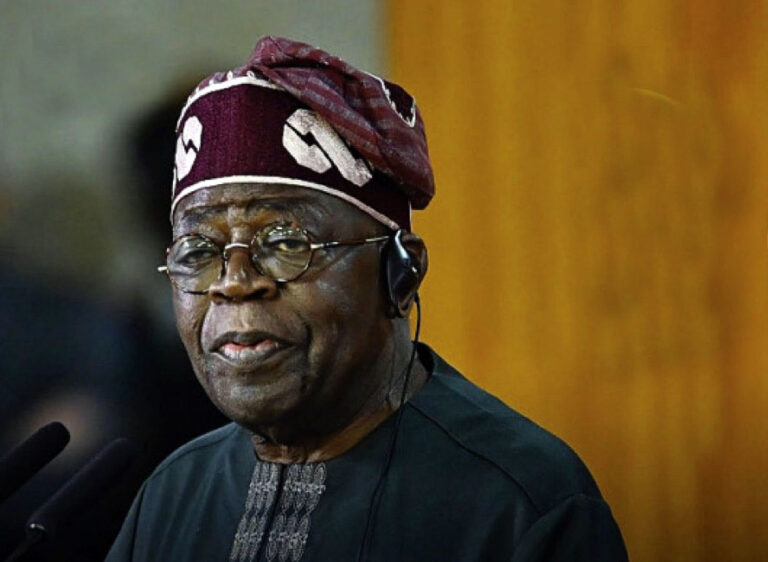
To reposition the Nigerian economy from consumption-led to production-driven, President Bola Tinubu formally launched the Nigeria Industrial Policy (NIP) 2025 on Tuesday. The event, held under the representation of Vice President Kashim Shettima, marks a decisive step in the Federal Government’s effort to translate Nigeria’s untapped economic potential into tangible productivity, job creation, and industrial growth.
Addressing stakeholders, the President noted that the policy is “not an aspirational document but a practical and implementable roadmap” aimed at rebuilding Nigeria’s industrial base, strengthening value chains, and enhancing competitiveness. He added that the success of industrialisation depends on coordinated action across energy, infrastructure, trade, finance, skills, and innovation, underpinned by strong public-private partnerships and measured by concrete outcomes.
“The Nigeria Industrial Policy 2025 prioritises strategic sectors based on our comparative advantages, deepens value-chain development to retain more economic value within the country, integrates micro, small, and medium enterprises, and establishes a clear implementation architecture to ensure accountability and measurable progress,” he said.
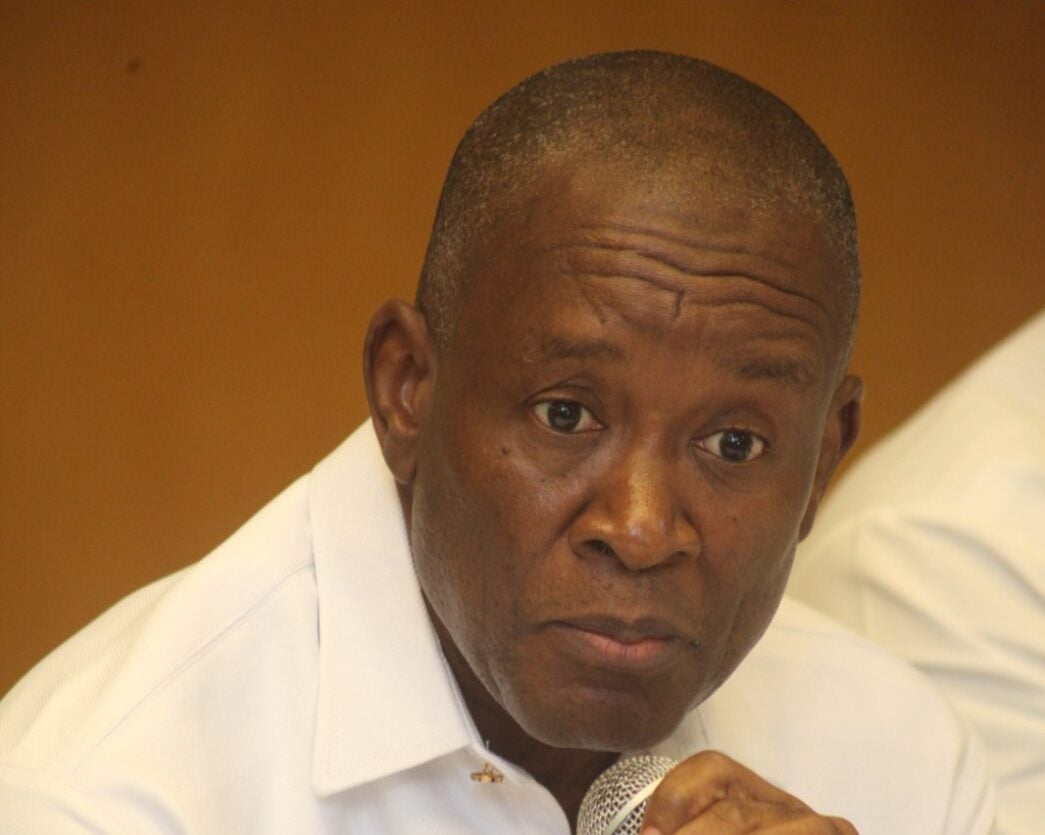
In his welcome address, the Honourable Minister of State for Industry, Senator John Owan Enoh, described the launch as a “consequential national moment,” noting that industrialisation is now a disciplined priority of government.
“The policy translates the presidential mandate into an executable programme, built on lessons from past efforts and informed by extensive consultations with manufacturers, investors, development partners, and stakeholders across sectors,” he explained.
Highlighting early successes, the Minister cited the transformation of Nigeria’s shea value chain. “The prohibition of raw shea nut exports catalysed domestic processing, expanded crushing capacity, increased farmer incomes, and boosted exports of processed shea products within a year,” he said, underscoring how coordinated industrial policy can produce measurable impact.
Other News
The Permanent Secretary of the Federal Ministry of Industry, Trade and Investment, Nura Abba Rimi, through Mohammed Naziru Abbas, Director of Reform Coordination and Service Improvement, stressed that NIP 2025 aligns with the Renewed Hope Agenda and the broader ambition of building a diversified, resilient, and inclusive economy. He emphasised disciplined implementation, monitoring, and accountability to ensure policy translates into economic gains.
Goodwill messages from leading industrialists and stakeholders reinforced the importance of policy stability, reliable power, protection of local industries, and sustained public-private partnership. Speakers applauded the government’s efforts to create a stable macroeconomic environment and called for continued focus on strengthening domestic production capacity to reduce imports, generate jobs, and expand Nigeria’s industrial footprint in Africa.
The Nigeria Industrial Policy 2025 sets a coordinated framework integrating energy, logistics, finance, skills, and trade policy around priority sectors such as agro-processing, textiles, petrochemicals, pharmaceuticals, light manufacturing, metals, and technology-enabled industries. With the African Continental Free Trade Area reshaping regional supply chains, the policy positions Nigeria to serve domestic markets while emerging as a production hub for West Africa and beyond.
President Tinubu affirmed that the work begins immediately: “By expanding manufacturing output, strengthening local value chains, increasing non-oil exports, and generating quality employment, we are building an industrial economy that produces what it consumes, competes globally, and delivers prosperity for Nigerians.”
The launch of NIP 2025 signals a new era of disciplined industrialisation, anchored on practical execution, strategic focus, and measurable results for Nigeria’s economy.