Follow Us on Google
• SSANU, NASU seek payment of arrears, withheld salaries
From Fred Ezeh, Abuja
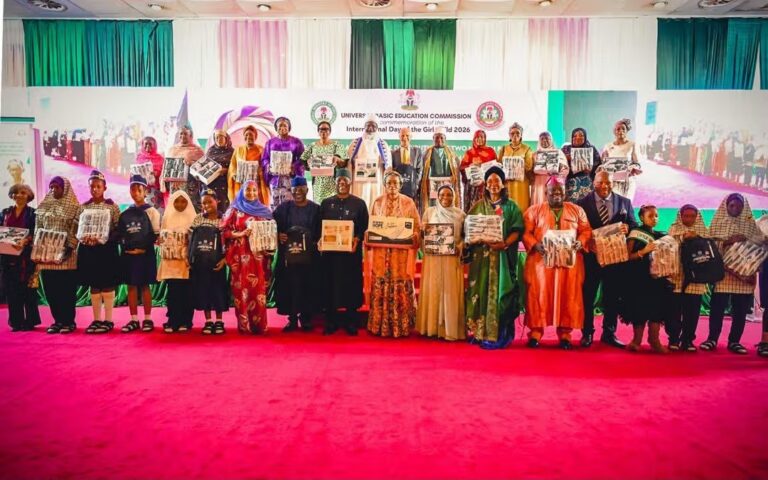
The Federal Government has unveiled renegotiated agreements with staff unions in tertiary institutions, with union leaders demanding full implementation, payment of outstanding arrears and the release of official circulars needed to give effect to the provisions.
At the ceremony in Abuja yesterday, the government pledged closer monitoring of the agreements to improve staff welfare and strengthen industrial harmony in universities, polytechnics and colleges of education. The unions, however, warned that the gains of negotiation would depend on whether outstanding commitments were honoured.
The event brought together government officials, institutional managers and representatives of the Academic Staff Union of Universities (ASUU), Senior Staff Association of Nigerian Universities (SSANU), Non-Academic Staff Union of Educational and Associated Institutions (NASU), Academic Staff Union of Polytechnics (ASUP) and Colleges of Education Academic Staff Union (COEASU).
The representative of SSANU and NASU raised concerns over unpaid 35 per cent wage-award arrears and two months’ withheld salaries, saying members were also awaiting full implementation of their 2026 agreement.
With only two days remaining before a strike deadline, the representative said the unions were reconsidering industrial action following steps taken by the government the previous week, but stressed that the outstanding obligations required urgent attention to sustain confidence in the process.
ASUP’s representative said negotiations began in December 2025 and culminated in the signing of an agreement in April 2026, describing the exercise as faster than previous renegotiations.
While acknowledging progress on payments and arrears, the representative said some non-financial provisions remained outstanding and urged the government to complete implementation before the end of 2026. The union also called for effective monitoring, stressing that implementation should extend beyond salary adjustments and allowances.
COEASU’s representative reported that more than 70 per cent of its agreement had been implemented, with payments made through September and a small number of issues still outstanding. The union urged the government to address the remaining provisions and honour its commitments to other unions.
Another representative of the academic community called for the prompt release of official circulars needed to operationalise agreements with NASU and other unions, warning that delays could create uncertainty despite payments already received.
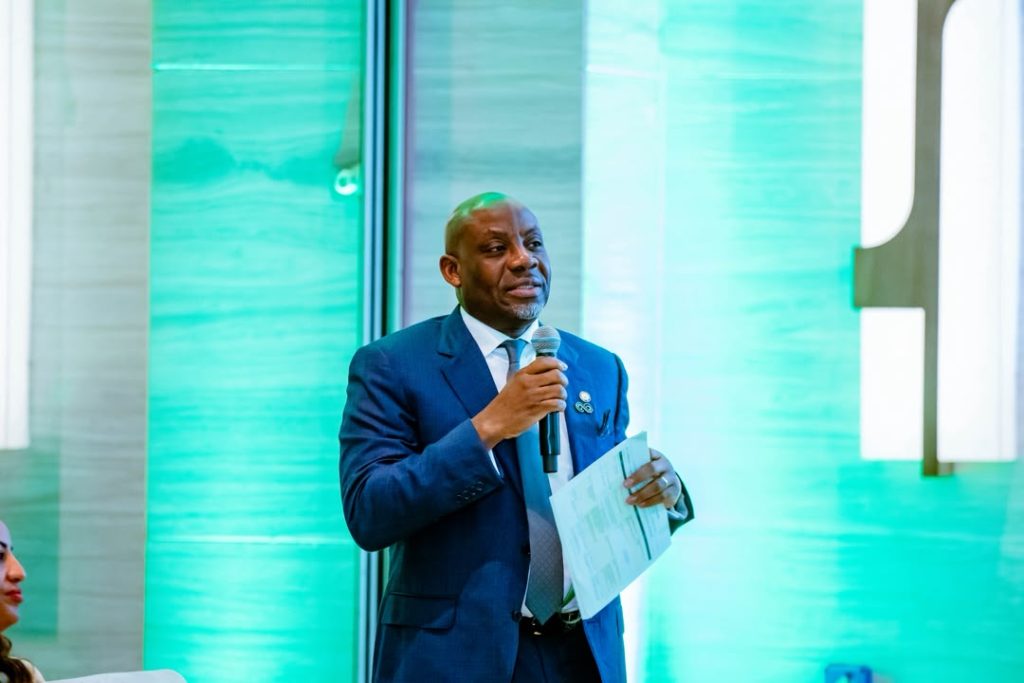
Minister of Education, Dr. Tunji Alausa, said President Bola Tinubu’s administration was committed to improving staff welfare and ensuring more dependable academic calendars.
He disclosed plans to expand the existing Implementation and Monitoring Committee for ASUU into a single committee responsible for monitoring agreements with academic and non-academic unions across tertiary institutions.
According to him, membership would be broadened to include relevant unions and stakeholders, enabling implementation challenges to be identified and resolved before they triggered fresh disputes.
Other News
Alausa urged union leaders to use the agreed channels to address grievances instead of rushing to the media with threats of industrial action. He added that the agreement provided for a review every three years, allowing both parties to revisit emerging issues through dialogue.
Chairman of the Federal Government Tertiary Institutions Expanded Negotiation Committee, Alhaji Yayale Ahmed, attributed the progress achieved to empathy, mutual respect and a willingness by government and unions to compromise.
The former Head of the Civil Service of the Federation said he deliberately avoided treating the negotiations as a contest, choosing instead to understand workers’ concerns while helping their representatives appreciate the financial and administrative constraints confronting government.
“I decided that I should not see myself, nor should our team see itself, as we versus the unions.”
Ahmed recalled that he initially hesitated to accept the assignment after years of public service, but eventually agreed following appeals from colleagues. He subsequently found himself dealing with longstanding disagreements between government and the unions.
He said the negotiations required patience and emotional resilience, particularly when discussions became tense and union representatives expressed disappointment or questioned the credibility of the government’s team.
Although his experience of dealing with labour unions helped him manage such encounters, Ahmed said progress also required an appreciation of the need for compromise.
“The union has to give, government has to give, in the spirit of give-and-take.”
He commended union leaders for defending their members’ interests while recognising the government’s position, and urged members to trust their representatives, whose constructive engagement had helped make the negotiations productive.
Ahmed also credited Alausa and the Minister of State for Education, Prof. Suwaiba Sa’id Ahmad, with providing the political support needed to advance the process, saying they listened to the committee’s recommendations and considered proposals that initially appeared difficult to achieve.
He cautioned, however, that the unveiling of the agreements marked the beginning of another critical phase, with faithful implementation constituting the real test of the exercise.
Ahmed urged the government to implement the provisions as agreed and the unions to sustain the cooperation that made the negotiations possible, expressing confidence that fulfilment of their respective obligations would improve staff welfare and strengthen industrial harmony across tertiary institutions.