Follow Us on Google
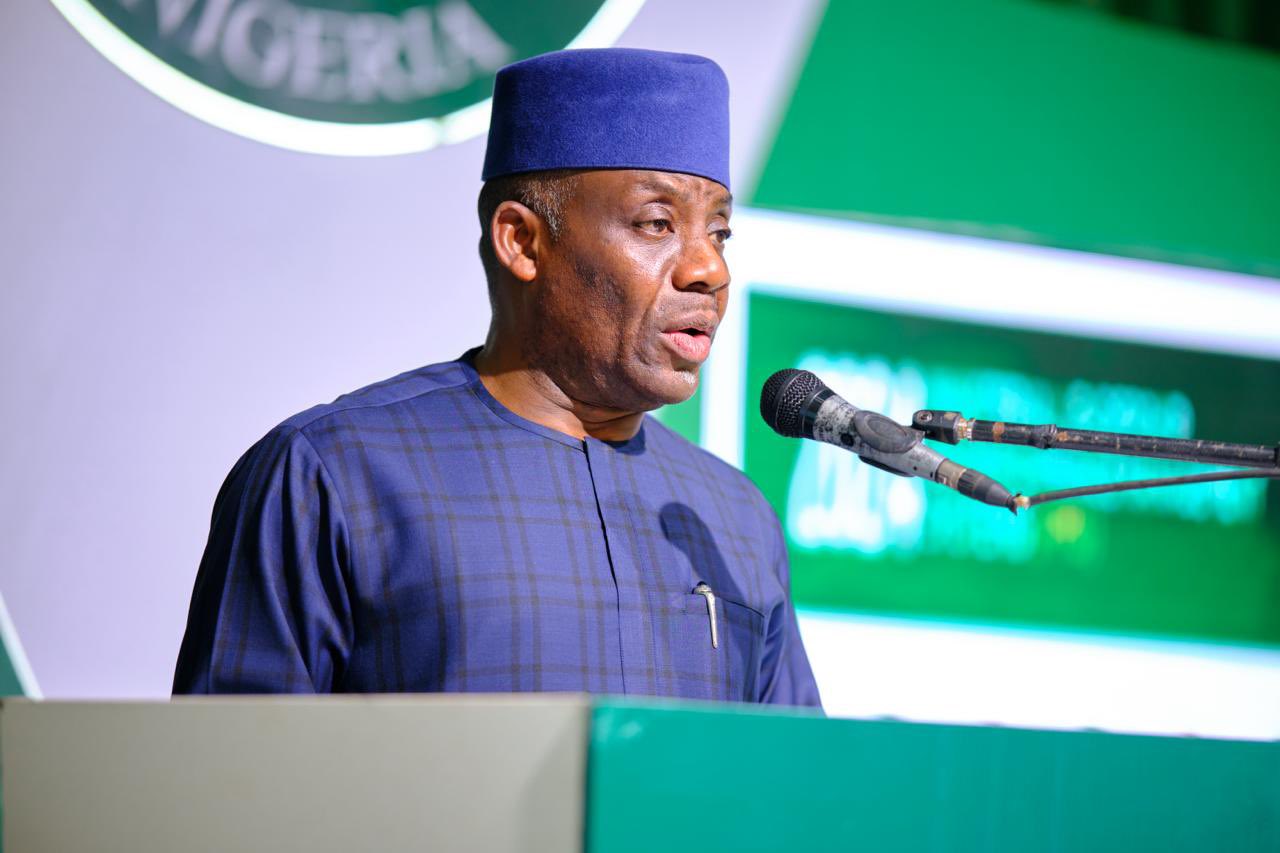
The Federal Government has announced plans to abolish the policy separating Junior Secondary Schools (JSS) from Senior Secondary Schools (SSS), following findings that more than 20 million pupils fail to progress beyond the junior secondary level.
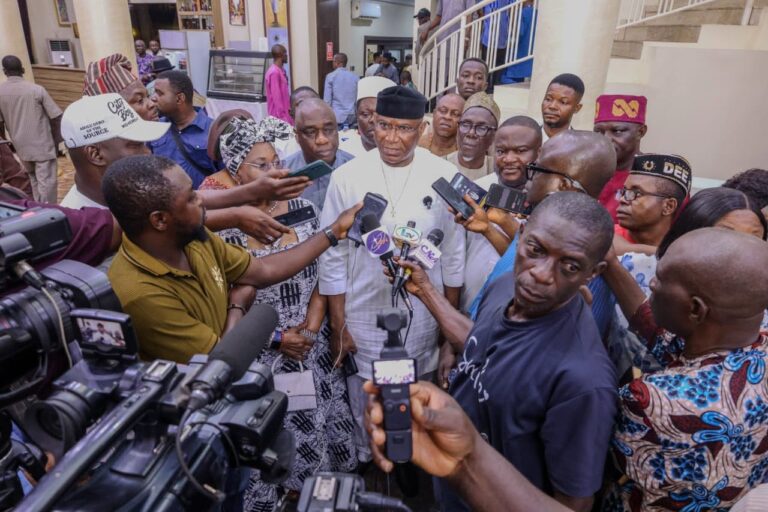
Minister of Education, Dr Tunji Alausa, disclosed the decision on Tuesday in Abuja during the inauguration of the Universal Basic Education Commission (UBEC) Ministerial Implementation and Monitoring Committee. He said the “disarticulation policy”, which requires junior and senior secondary schools to operate as separate institutions with different principals and facilities, has failed to achieve its purpose.
“We have 20 million dropouts from primary school to JSS. Where are those students? We also found we have 80,000 public primary schools and only about 15,000 junior secondary schools. That’s a one-to-eight ratio,” Alausa said.
According to the minister, the imbalance has resulted in overcrowded junior secondary schools while many senior secondary schools remain underutilised, particularly in Kaduna and several northern states.
“This disarticulation policy has failed. We will phase it out. We can’t be creating positions because we want to create a director level for people while we harm our education system. It’s about doing what is best for every Nigerian child,” he said.
Alausa disclosed that the proposal to end the policy would be presented at the next meeting of the National Council on Education for approval. He said the reform is intended to improve the transition rate between junior and senior secondary education and expand access to learning across the country.
The minister admitted that previous administrations had struggled to address the growing number of out-of-school children but insisted the current government was determined to reverse the trend.
Other News
“This government will not fail. We are fixing it,” he said.
At the event, Alausa also inaugurated a committee headed by Prof. Rashid Aderinoye to oversee the implementation of UBEC-funded Smart Schools, Bilingual Schools and Alternative Schools across the country.
The committee is expected to ensure the projects are completed, handed over to state governments and opened for learning.
He expressed concern that despite significant investments in the projects, many of the schools remain incomplete or have yet to admit students, describing the situation as a waste of public resources.
Nigeria continues to have one of the world’s largest populations of out-of-school children, with millions of school-age children, particularly in rural communities and conflict-affected areas, still unable to access formal education.
Education experts have repeatedly stressed that tackling the crisis requires not only building new schools but ensuring completed facilities are adequately staffed, fully operational and accessible to learners.