Follow Us on Google

Finance minister targets single-digit inflation by 2027
_____________________________________________________________________
From Juliana Taiwo-Obalonye, Abuja
The Federal Government has defended its proposed $21.7 billion external borrowing plan against criticisms by former Vice President Atiku Abubakar and former Labour Party presidential candidate Peter Obi, insisting that the funds are intended to finance productive investments that will drive economic growth and improve Nigerians’ living standards.
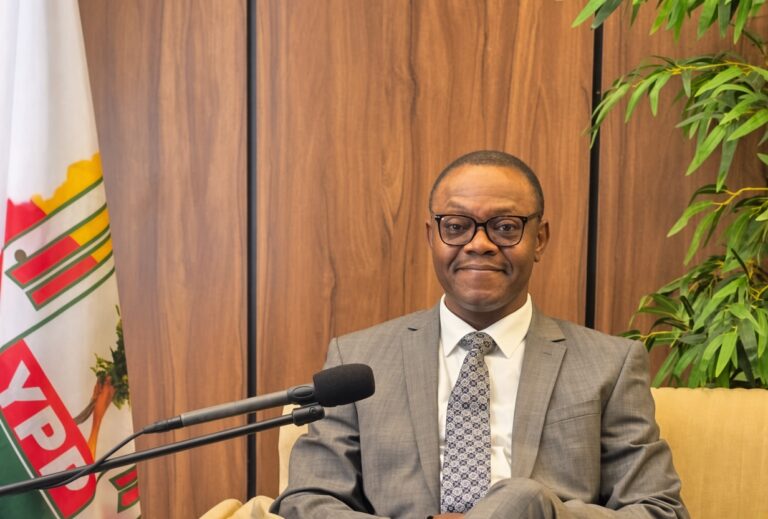
The Minister of Finance and Coordinating Minister of the Economy, Taiwo Oyedele, said the proposed financing should be assessed based on the assets to be created and the economic returns expected, rather than being viewed simply as an addition to the country’s debt burden.
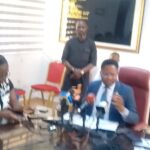
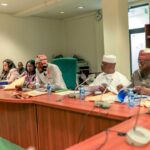
Oyedele, who spoke with State House correspondents after Wednesday’s Federal Executive Council (FEC) meeting presided over by President Bola Tinubu at the Presidential Villa, Abuja, also said the government was targeting single-digit inflation by the end of 2027 or earlier.
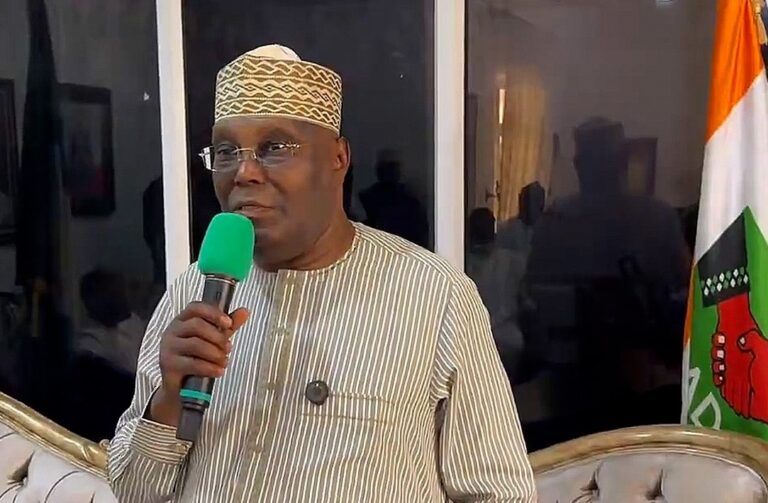
His defence came amid opposition from Atiku, who has urged the National Assembly to withhold approval of the proposed loans until the Federal Government provides comprehensive details of the projects, their costs, contractors, financing terms and repayment obligations.
Obi has also raised concerns about Nigeria’s debt-servicing burden, warning that growing repayment obligations could constrain spending on critical sectors and undermine development.
Responding to the concerns surrounding the borrowing plan, Oyedele said the government was seeking funds to finance projects that would strengthen national productivity and generate long-term economic value.
“This is investment, not borrowing,” he said.
The proposed financing comprises $20.52 billion and €1.045 billion for projects and programmes across transportation, security, healthcare, agriculture, energy, digital infrastructure, education and social protection.
Transportation infrastructure accounts for about $10.6 billion, covering major projects such as the Sokoto-Badagry and Lagos-Calabar highways and the Kano-Kaduna rail project.
Oyedele said the government was pursuing financing from multilateral and bilateral development partners, alongside other sources, to implement the projects.
He disclosed that approximately $7.9 billion was expected from multilateral and bilateral partners, with the World Bank among the major institutions providing support.
According to him, a $5 billion World Bank component would attract concessional financing at an average interest rate of about 2.1 per cent, while some social-sector loans would carry rates of around two per cent.
The minister said the government was prioritising favourable financing terms to reduce borrowing costs and ensure that the projects delivered lasting economic benefits.
Atiku, however, has called on the National Assembly to demand full disclosure before approving the facilities.
In a statement issued on Tuesday by Phrank Shaibu, Director of Strategic Communication of the ADC Presidential Campaign Council, the former vice president said the borrowing request reinforced his earlier concerns about plans to secure loans of up to $20 billion.
He argued that listing broad sectors was insufficient to justify borrowing on such a scale without providing project-specific information.
“The National Assembly must not approve a single dollar until the President publishes every project, contract, cost, contractor, loan term and repayment obligation,” Atiku said.
He also questioned the reported inland rerouting of the Lagos-Calabar Coastal Highway, alleging that the project could be used to channel borrowed funds to political campaigners and favoured contractors.
Other News
Atiku further questioned the timing of the borrowing request ahead of the 2027 general election, insisting that Nigerians deserved transparency and accountability in the management of public debt.
The allegations of possible political use of the funds remain Atiku’s claims and have not been established as fact.
Obi, in his own criticism of the government’s debt profile, had expressed concern over Nigeria’s projected $11.6 billion debt-servicing bill for 2026.
In a statement published on his official X account in May, the former Anambra State governor said the projected obligation should prompt a closer examination of the country’s fiscal priorities.
He argued that borrowing should translate into measurable improvements in education, healthcare, infrastructure, innovation and job creation, warning that rising debt repayments could limit resources available for essential public services.
However, no separate, directly attributable statement from Obi specifically addressing the latest borrowing request was established in the reports reviewed.
Meanwhile, Oyedele said the administration was making progress towards stabilising the economy, with inflation declining to 14.63 per cent in September from 20.98 per cent in the corresponding period of the previous year and a peak of about 34 per cent.
He said the FEC had resolved to intensify efforts to bring down prices, particularly food prices, while sustaining investments in infrastructure, human capital development and job creation.
The minister also disclosed that Nigeria’s foreign reserves had risen above $55 billion, their highest level in 18 years, while net reserves had increased to more than $45 billion from less than $1 billion three years ago.
He put economic growth at 4.43 per cent in the second quarter, compared with 2.74 per cent in May 2023.
According to him, the tax-to-GDP ratio had risen from about seven per cent in 2023 to 12.5 per cent by the end of 2025, while the debt-service-to-revenue ratio had declined from 97 per cent to below 60 per cent.
Oyedele also defended the removal of the petrol subsidy, saying Nigeria had increased petrol prices about 3,050 times in 50 years without resolving the underlying subsidy problem.
He argued that the former arrangement placed an unsustainable burden on public finances, limiting the government’s capacity to invest in infrastructure and essential services.
The minister maintained that subsidy removal was necessary to address the structural problem, adding that the government had introduced interventions to cushion the effects of economic reforms on vulnerable Nigerians.
He disclosed that more than 10 million households had received over ₦600 billion in cash transfers, while the Nigerian Education Loan Fund had disbursed ₦372.6 billion to more than 1.5 million students.
He added that more than 800,000 micro, small and medium-sized enterprises had benefited from subsidised loans at single-digit interest rates.
The minister further said low-income earners making up to ₦100,000 monthly were exempt from personal income tax, while businesses with annual turnover of up to ₦100 million were exempt from corporate income tax, value-added tax and withholding tax under the relevant tax reforms.
He also said the Nigerian capital market had grown from about ₦30 trillion to more than ₦160 trillion, expressing optimism about the naira’s outlook on the strength of improved foreign reserves and other economic fundamentals.
Oyedele said the administration would continue to monitor the effects of its policies and make adjustments where necessary, maintaining that its broader objective was to translate economic recovery and public investment into improved living conditions for Nigerians.