Follow Us on Google

By Henry Uche
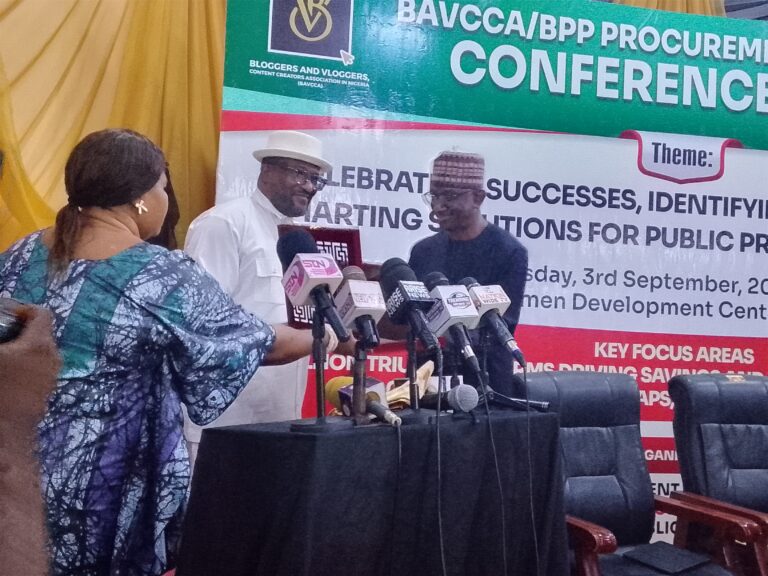
The federal government, in collaboration with the United Nations Development Programme (UNDP) and the Government of Italy, has handed over refrigeration and air conditioning servicing equipment worth over $2 million to training centres under the hydro chlorofluorocarbons phase-out management plan (HPMP).
The move is in a bid to phase out hydro chlorofluorocarbons, a major gas that depletes the ozone layer from the Nigeria atmosphere.
Minister of State for the Environment, Dr. Iziaq Adekunle Salako who was at the ceremony in Lagos on Friday, said that necessary policies were being put in place to ensure that only trained and certified technicians practice refrigeration and air conditioning servicing in the country.
The beneficiaries are government technical colleges in Ado-Ekiti, Oshogbo in Osun State as well as those in Ikorodu, Agidingbi, Ikotun, and Field of Skills & Dreams Trade Centre, Ogba in Lagos.
The minister who handed the equipment to Cool Plus Limited, consultants to the project, said the donation was in line with the HPMP Stage II Project, designed to support Nigeria achieve a phase-out of 1274.05 metric tons of HCFCs in the servicing sector by 2026.
The equipment includes refrigeration handling tools, tools, safety equipment, hydrocarbon service tools, equipment for recycling like portable recycling machines, external filter kits and burn outfitter accessories.
The minister said the essence of the equipment was to enhance the capacity of training centers to deliver effective training programmes on HCFC-free refrigeration and air-conditioning technologies; and to promote the adoption of environmentally-friendly practices and technologies in the refrigeration and air-conditioning sector.
“The first batch of HPMP is targeted to completely eliminate Nigeria’s 2010 baseline consumption of 344.9 tones of HCFCs by 2040. The refrigeration and air-conditioning service sector in Nigeria has remained largely unstructured with a large presence of informal, small and medium scale practitioners with little or no presence of qualified engineers. More so, the technical capacity of technicians in the sector therefore remained very low and inadequate to drive the total HCFCs phase-out plan of the country,” the minister said.
To address the challenges, Salako said the establishment of Refrigeration & Air-conditioning Centres of Excellence, by strengthening of existing training centres to provide up to date best practices in using non-ozone depleting and low global warming potential refrigerants as well as improving the energy efficiency of cooling appliances, was approved for implementation under the HPMP stage 2 in 2018.
Receiving the equipment on behalf of the training centres, managing director of Cool Plus Ltd, Ade Awujoola, who urged Nigerians to be environmentally friendly in their daily activities said, since climate change is everyone’s business, he would deploy his over 30 years of experience to ensure that the best is delivered on the project.