Follow Us on Google
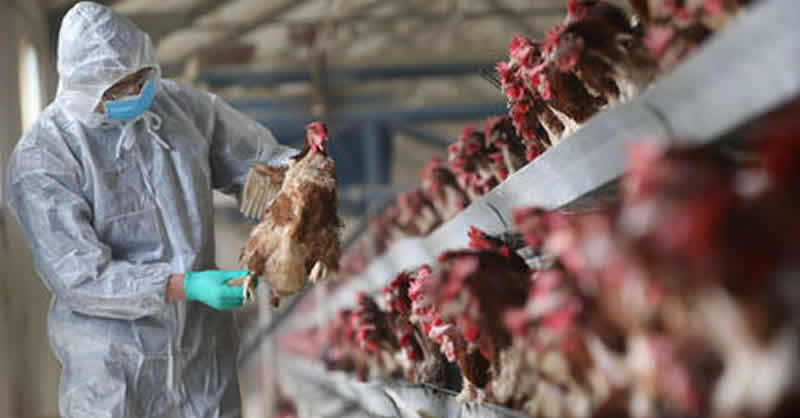
The Federal Government, yesterday, confirmed an outbreak of Highly Pathogenic Avian Influenza, commonly referred to as bird flu, in Kano State.
It has reportedly affected multiple bird species, including layers, ducks, guinea fowls and turkeys.
The government’s confirmation has raised concerns over its potential spread in the region. In a circular yesterday signed by Dr. Taiwo Olasoju, on behalf of the Chief Veterinary Officer of Nigeria, the government expressed concerns about the heightened risk of the disease spreading, particularly during this season.
The circular urged state veterinary offices and relevant agencies to strengthen surveillance systems and implement strict biosecurity measures to curb the spread of the virus. “We urge all state veterinary offices and relevant agencies to activate their surveillance systems immediately. Strict biosecurity measures must be implemented, and public awareness campaigns intensified to curb the spread of the virus,” the circular said.
Dr. Usman Gwarzo, Chairman of the Poultry Association of Nigeria (PAN), Kano State chapter, revealed how the outbreak started. He recounted an incident from December 2024 that sounded the alarm.
“In December 2024, a young man from Galadanchi quarters in Gwale Local Government Area bought a duck from Janguza market in Tofa LGA and introduced it to his flock of hens and chickens. The duck suddenly died, followed by the chickens. The carcasses were taken to the Gwale Veterinary Clinic, where avian influenza was suspected,” Dr. Gwarzo explained.
He noted that samples sent for testing confirmed the presence of the virus in the first week of January 2025. The carcasses were taken to the Gwale veterinary clinic, where avian influenza was suspected. “Samples were sent for testing, and by the first week of January 2025, the results confirmed the presence of the virus,” he added.
This latest development came as the nation grappled with broader agricultural and economic concerns, highlighting the importance of swift and coordinated responses to health crises affecting livestock.
Although no cases have been reported from commercial poultry farms, stakeholders are not taking any chances. PAN Kano State chapter is collaborating with the government to raise awareness among poultry farmers and traders.
“We are urging farmers to avoid mixing birds from different sources, especially during this time. Biosecurity is critical. Farmers must disinfect their facilities regularly and report any unusual deaths immediately,” Dr. Gwarzo stressed.
The circular also called for closer monitoring of poultry populations to detect and respond to potential cases promptly. Public awareness campaigns are being ramped up to educate farmers and traders about the dangers of the virus and how to protect their flocks.
Veterinary experts advise farmers to keep their poultry isolated and report sudden deaths to the nearest veterinary clinic. “Early detection can help us contain the virus before it spreads further,” Dr. Gwarzo stressed.
Poultry sellers at Janguza market expressed concern over the situation. “We are scared because bird flu is dangerous. We’ve seen cases in the past where it wiped out entire farms,” said Musa Abdullahi, a trader at the market.
Meanwhile, the Kano State Government has pledged to support farmers and ensure swift containment measures. While the outbreak remains confined to small-scale farms, fears of a wider spread have already begun to affect poultry businesses. Some traders reported a dip in sales as consumers grow wary of purchasing poultry.