Follow Us on Google
…Says subsidy removal curbed more debt
From Adanna Nnamani, Abuja
The Federal Government borrowed N11.9 trillion between June 2023 and December 2025 to help fund its spending, but says the debt would have been much higher without savings from the removal of the petrol subsidy and other economic reforms.
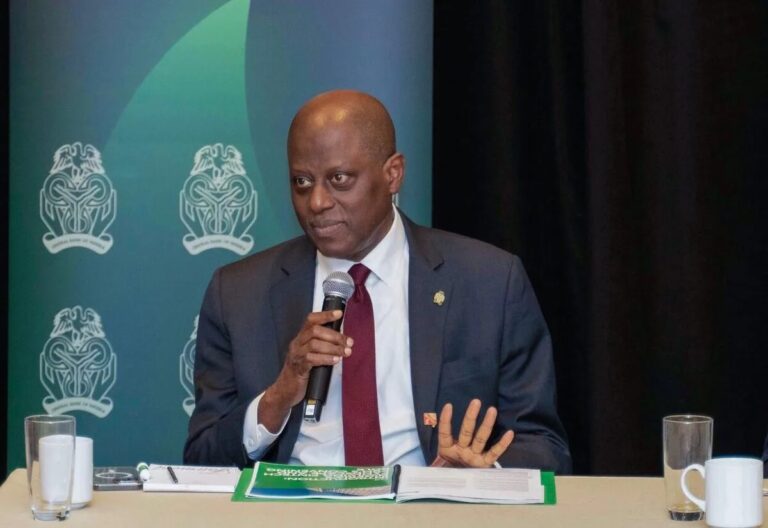
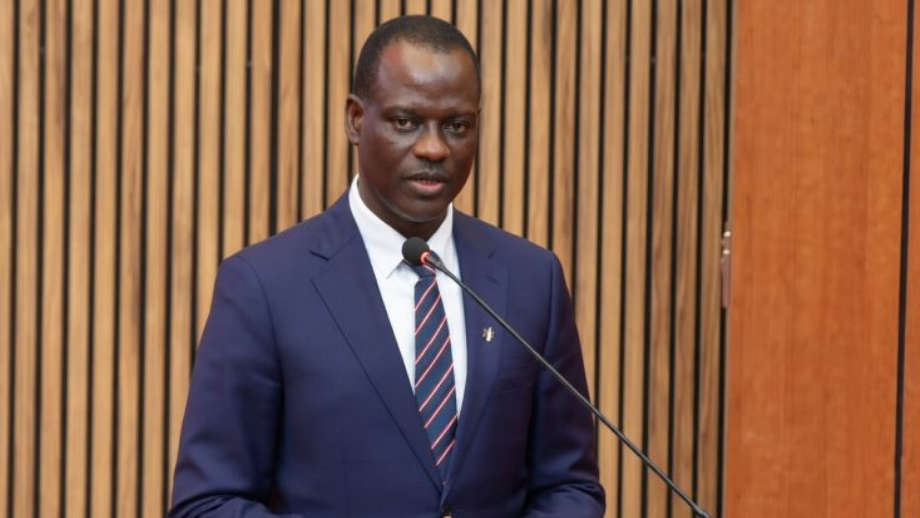
Minister of Finance and Coordinating Minister of the Economy, Taiwo Oyedele, disclosed this while presenting the government’s reforms scorecard.
Oyedele said the government raised additional resources of N20.4 trillion during the period through subsidy savings, independent revenue and new borrowing, while its additional expenditure stood at N30.64 trillion.
He said the N11.9 trillion borrowed during the period helped bridge the gap between available resources and government spending.
“So the additional borrowing taken for that period of time from June 2023 to December 2025 amounted to N11.9 trillion, a figure that would have been far higher and economically destabilising without the fiscal space the reforms created,” Oyedele said.
He said the reforms had helped the government raise more money without relying entirely on borrowing, with subsidy savings alone generating N15.8 trillion in resources for the Federation.
According to him, the savings did not come into the Federation Account as a separate payment but created additional fiscal space for government.
Of the N15.8 trillion generated from subsidy savings, Oyedele said the Federal Government received N5.4 trillion, while states and local governments received N10.4 trillion through the Federation Account.
He also disclosed that the Federal Government generated an additional N3.1 trillion in independent revenue, mainly through increased surpluses and remittances from government-owned enterprises.
Oyedele said the increase in customs revenue was partly driven by the naira’s exchange rate adjustment, which raised the naira value of import duties paid on dollar-denominated goods.
Similarly, he said petroleum profit tax collections increased in naira terms because dollar-denominated earnings were converted at higher exchange rates.
He said the gains were largely linked to the removal of the petrol subsidy and the liberalisation of the foreign exchange market.
Other News
According to the minister, the previous foreign exchange regime effectively subsidised dollar access, with much of the benefit going to rent seekers rather than ordinary Nigerians and manufacturers.
He said the additional resources generated through the reforms were used to meet rising government expenses, including higher wages and allowances.
“Altogether the Federal Government’s incremental resources, subsidy savings, independent revenues and incremental borrowing came to N20.4 trillion,” he said.
He added: “The incremental expenses of the Federal Government alone, not the federation, was N30.64 trillion. Of this, N9.39 trillion went to wage adjustments, minimum wage increases and allowances for public servants.”
President Bola Tinubu removed the petrol subsidy on May 29, 2023, shortly after taking office. The decision immediately pushed up petrol prices and contributed to higher transport and living costs across the country.
The government has consistently defended the policy, saying it was necessary to reduce the cost of subsidising petrol and free up funds for other areas of the economy.
Earlier this year, Tinubu said the subsidy removal had saved Nigeria from imminent bankruptcy and helped create the foundation for economic recovery.
However, the policy has continued to attract criticism, with analysts warning that the savings have not translated into enough relief for households and businesses.
CFG Advisory, for instance, recently said the fiscal gains from the subsidy removal had been largely absorbed by debt servicing, leaving the Federal Government with limited funds for development projects and social programmes.
The firm warned that using subsidy savings mainly to service debt could weaken the intended benefits of the reform and raise concerns about the sustainability of the government’s finances.
The subsidy removal and foreign exchange reforms have also resulted in significant economic adjustments, including higher prices and a sharp fall in the value of the naira.
Despite the challenges, the Federal Government maintains that the reforms are necessary to put the economy on a stronger and more sustainable footing.