Follow Us on Google
From Olanrewaju Lawal, Birnin Kebbi
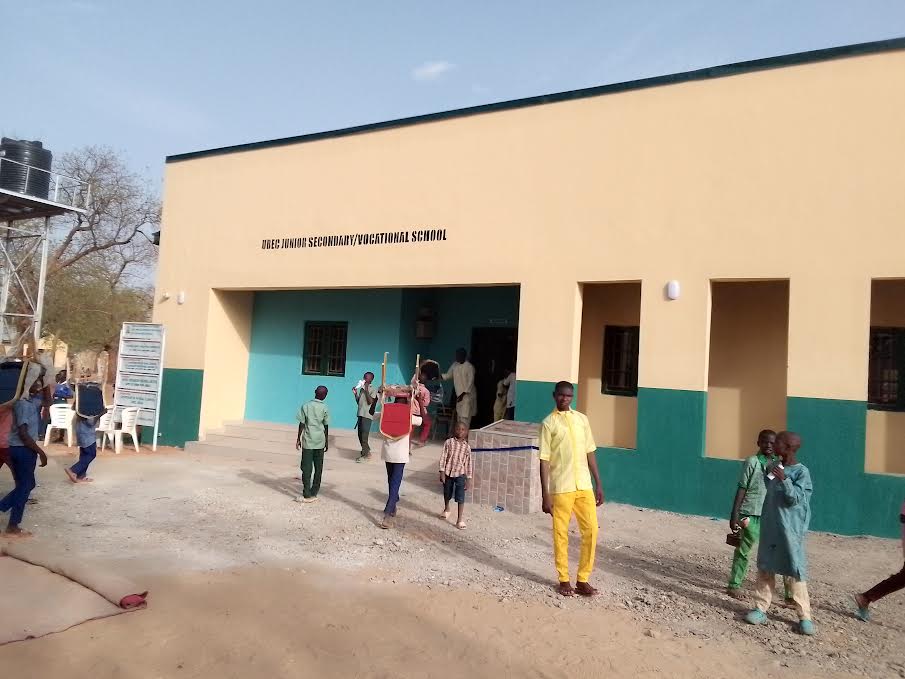
The federal government has handed over three completed and equipped vocational schools to the Kebbi State Government. The schools are located at Nagari College Birnin Kebbi, Government Day Secondary School Ngaski, and Bagudo Secondary School.
During the handover ceremony at Nagari College, Birnin Kebbi, Minister of State for Education Dr. Yusuf Tanko Sununu explained that this initiative is part of efforts to reduce the number of out-of-school children in Nigeria. He praised Governor Nasir Idris’s contributions towards the establishment of the Teachers Registration Council, noting that a Nigerian now heads the African Union Federation of Teachers’ Associations (AFRA) and its headquarters is located in Nigeria.
Sununu highlighted President Tinubu’s concern about the number of out-of-school children and his directive to address the situation.
Governor Nasir Idris, while receiving the facilities and commissioning the schools, announced the approval for the recruitment of 2,000 teachers across the state to address the shortage of teachers in schools. He mentioned that he had visited schools and was concerned about the empty classrooms due to the lack of teachers. He directed the Ministry of Basic and Secondary Education to conduct the recruitment.

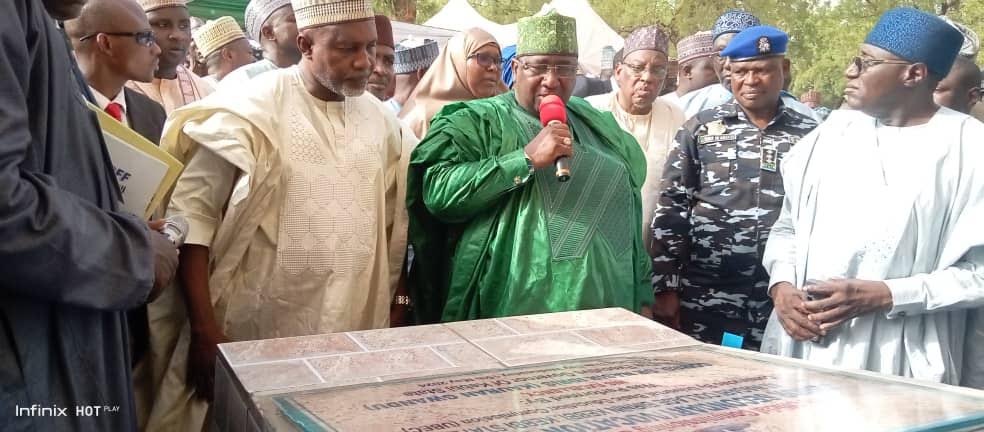
The governor emphasized his administration’s commitment to providing quality education to all citizens and highlighted the billions of naira invested in the education sector in the past year.
Earlier, the Executive Secretary of the Universal Basic Education Commission (UBEC), Dr. Hamid Bobboyi, stated that the Nagari College Vocational School is the first of 51 such schools being constructed across the country. He emphasized the importance of making education at all levels relevant and useful for learners, their communities, and the country at large.
He explained that the shift in schooling is towards developing the academic and entrepreneurial potential of young learners, equipping them with life-sustaining skills for employability, productivity, self-reliance, and community development.
Dr. Bobboyi expressed the expectation that learners will continue to practice, develop, and master the skills acquired at an early stage, becoming job and wealth creators, thus reducing unemployment and idleness among the youth. He believes that providing vocational skills to engage the youth will reduce the growing rate of restiveness and social crimes.