Follow Us on Google
… okays NYSC reforms, scheme to be civilian‑led, while military will continue to provide security
From Juliana Taiwo-Obalonye, Abuja
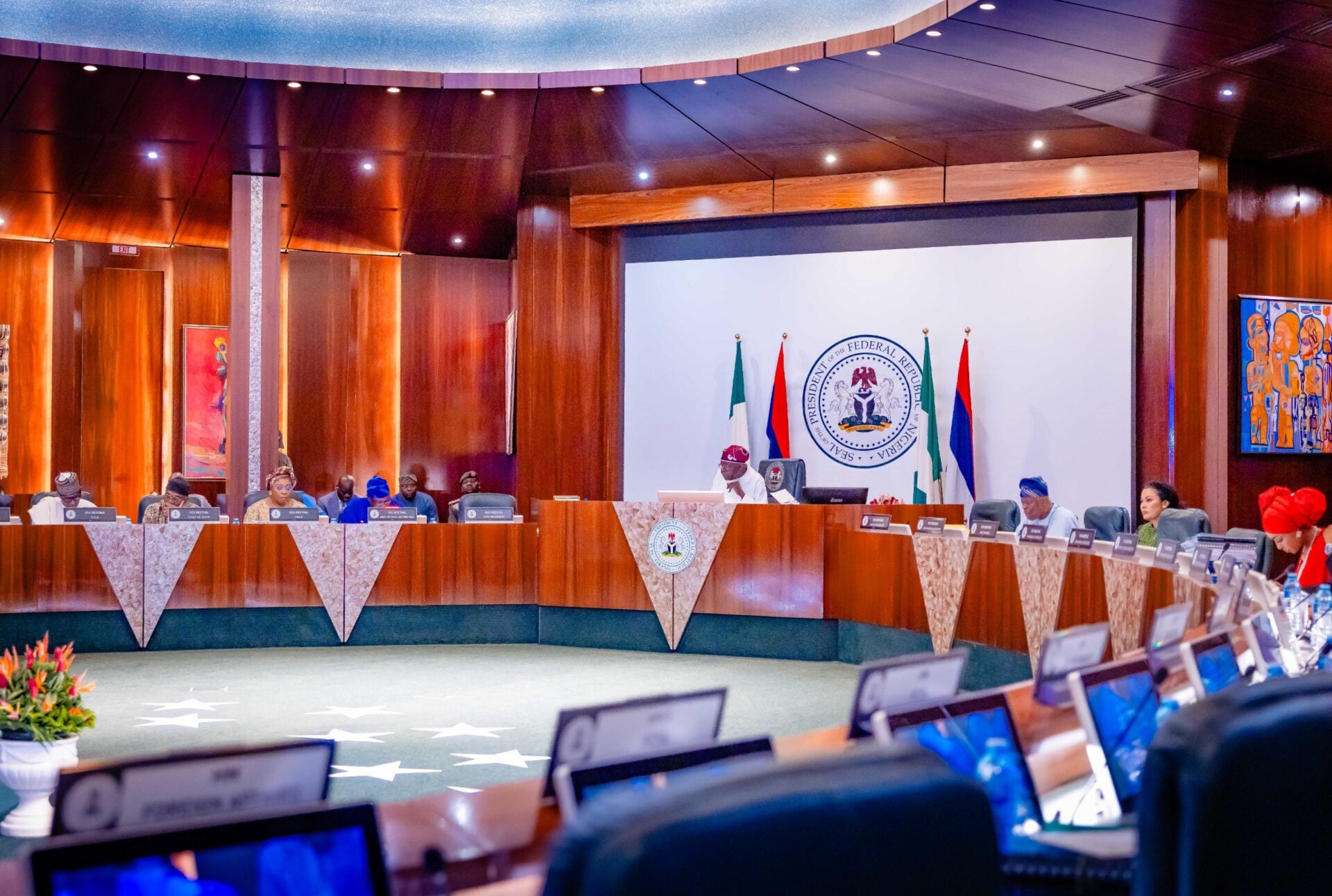
Federal Executive Council (FEC) meeting on Monday approved the establishment of a National Snakebite Treatment and Research Centre and authorised a ₦73.9 billion package of health-sector procurements aimed at strengthening service delivery and expanding access to essential medicines across Nigeria.
Coordinating Minister of Health and Social Welfare, Ali Pate disclosed the approvals while briefing State House Correspondents after the Council meeting presided over by President Bola Ahmed Tinubu at the Presidential Villa, Abuja.
“The new centre will provide specialised treatment, undertake research on snakebite prevention and management, ensure sustainable access to quality antivenom, and collaborate with international partners,” Pate said.
He said Nigeria records an estimated 43,000 snakebite incidents each year, many of which lead to deaths, disabilities and severe socioeconomic consequences, with the North-East, North-West and North-Central regions bearing the heaviest burden.
As part of the wider health package, the FEC approved ₦6.9 billion for the National Blood Service Agency to acquire 10 compressed natural gas (CNG)-powered mobile blood donation clinics. The mobile units are intended to improve blood donation, collection and distribution nationwide.
The Council also authorised ₦62 billion for tuberculosis (TB) commodities to boost the country’s response to one of the world’s highest TB burdens. Officials said the procurement seeks to reduce reliance on foreign donors and support eventual local production of TB medicines.
Additionally, about ₦5 billion was approved for the National Primary Health Care Development Agency to purchase reproductive health and family-planning commodities, a move described as aimed at improving maternal health services and expanding voluntary family-planning access across the country.
“These approvals underscore the Tinubu administration’s commitment to strengthening health infrastructure, widening access to essential medicines and promoting local pharmaceutical manufacturing,” Pate said.
The approvals follow growing calls from health experts and community leaders for targeted interventions to reduce snakebite mortality and to shore up supplies for blood, TB treatment and reproductive health — areas health officials say are critical to achieving better health outcomes nationwide.
The council also approved a wide-ranging reform of the National Youth Service Corps (NYSC), keeping the scheme’s one‑year duration while introducing skills‑based training, digitalisation, changing of leadership structure from military to civilians among other measures to reposition the programme for national development.
Minister of Youth Development, Ayodele Olawande, said during the briefing that the overhaul is the first major review of the NYSC since its creation in 1973 and was developed through consultations with the ministries of Youth Development and Education, the Office of the Special Adviser to the President on Policy Coordination, and young Nigerians.
He said the reforms aim to strengthen national unity, boost skills development, create jobs and empower youth across the country.
Major elements of the reform package include digitalising NYSC operations, improving security and welfare for corps members, upgrading orientation camp facilities via stronger state partnerships, redesigning the passing‑out parade into a formal graduation ceremony, and introducing professional identity certification for corps members. The package also proposes amendments to the NYSC Act to align the scheme with contemporary national priorities.
Special Adviser to the President on Policy Coordination, Hadiza Bala-Usman, explained further that the one‑year service will be retained but will now include flexible, skills‑based training streams within the service year. She said specialised cohorts — including a proposed Digital Corps — may undergo additional training to obtain professional certifications before deployment, improving employability and prospects for self‑employment.
She emphasised that the NYSC will remain a civilian‑led scheme while the military will continue to provide security for corps members. She added that the reforms are intended to consolidate youth development programmes under the NYSC to enhance coordination, monitoring and accountability.
To provide legal backing, the FEC directed the Attorney‑General of the Federation, working with the Ministry of Youth Development, to amend the NYSC Act and its regulations to enable immediate implementation of the approved measures.