Follow Us on Google
Uche Usim and Joseph Inokotong, Abuja
When the Debt Management Office (DMO) disclosed in October that Nigeria’s total debt, as at June 30, stood at N27.7 trillion, economic watchers were shocked that a whopping N3.32 trillion was added to the existing debt stock in one year.
While experts processed a possible debt repayment strategy the government could adopt, the Senate came up with a heavier shocker, saying that it would approve the $29.9 billion loan request of President Muhammadu Buhari that was left stranded at the eighth Senate.
Nigerians are not the only ones screaming. Forecasters from the World Bank, the International Monetary Fund (IMF) and other international organisations have also raised the red flag over Federal Government’s insatiable appetite for external borrowing, rather than working hard to boost local production and exports.
Aside declaring Nigeria the poverty capital of the world, the offshore agencies are concerned over the rising debt of the country .
According to the debt figures of DMO, the Federal Government owed N20.42 trillion as at June 30, 2019, while the 36 states and the Federal Capital Territory had a total debt stock of N5.28 trillion.
Further breakdown shows that the debt profile comprises N8.32 trillion ($27.16 billion) external debt and N17.38 trillion borrowed locally.
The nation’s public debt, which stood at N22.38 trillion in June 2018, increased to N24.39 trillion in December 2018 and N24.95 trillion in March 2019.
Several economic experts have raised the red flag over the rapidly swelling debt profile of the country, without corresponding investments to guarantee repayment.
They reckoned that as a hugely import dependent economy, soaking in more credit means the management of the economy wants to box the country into a debt trap.
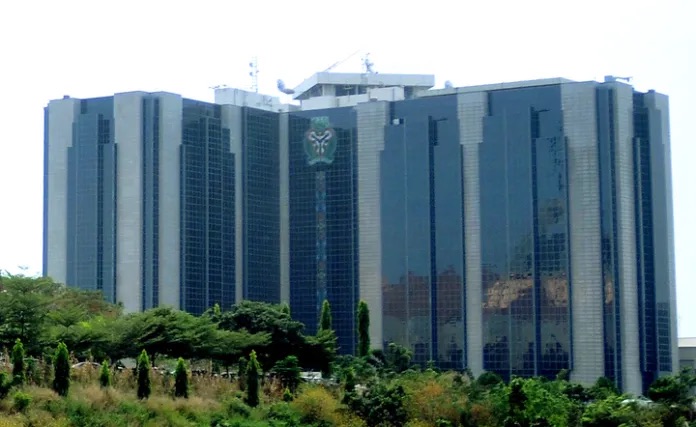
More so, the Monetary Policy Committee of the Central Bank of Nigeria at its meeting in September frowned at the rising public debt and described it as one of the headwinds to the nation’s growth prospects.
However, the Minister of Finance, Budget and National Planning, Mrs Zainab Ahmed, in a subtle objection to the stand of the MPC, said that the country did not have any debt challenge but a challenge with generating sufficient revenue.
While the discordant tunes play out, there are bigger concerns in some quarters as analysts warn that the reintroduced $29.9 billion loan request to the Senate by President Muhammadu Buhari should have been rejected if the legislators truly have the interest of Nigeria and Nigerians at heart.
According to industry pundits, approving the humongous loan was the quickest way to kill the country as there were no satisfactory repayment strategies on ground.
They say that the fresh credit is tantamount to committing suicide, judging by slow and low economic diversification steps being taken by the current administration.