Follow Us on Google
…Enugu, Ebonyi, Imo communities seek government help
• Say, herdsmen have taken over our farms, forests
From Magnus Eze, Jude Chinedu (Enugu), Okey Sampson (Umuahia), Emmanuel Uzor (Awka), Stanley Uzoaru, George Onyejiuwa (Owerri) and Wilson Okereke (Afikpo)

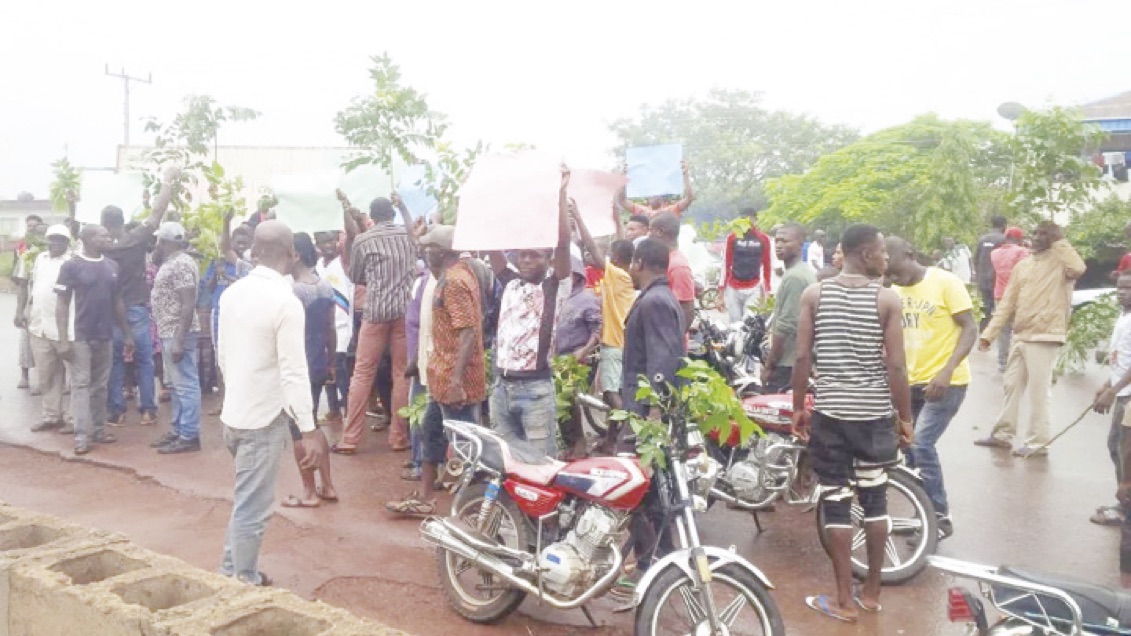
•Community protesting herdsmen killings.
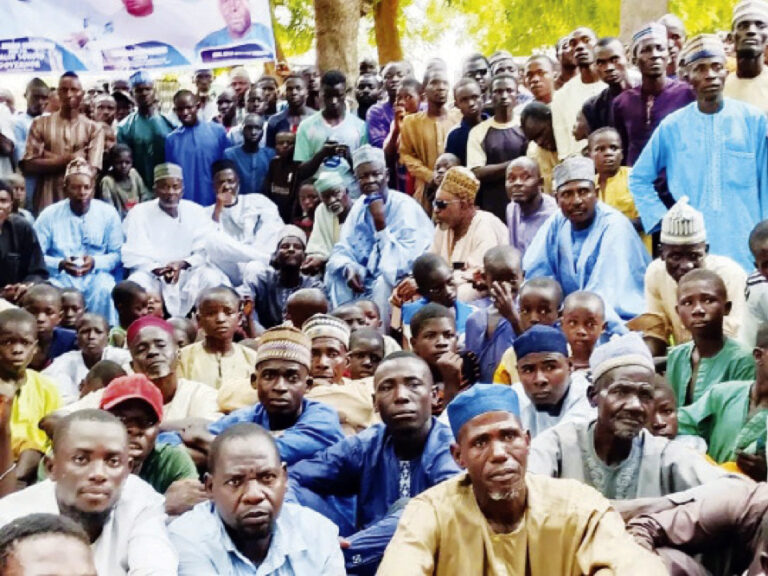
Many farming communities in the Southeast are currently in a quandary as the planting season approaches. They are burdened by the activities of herdsmen who have overtime terrorised and practically made them abandon their farmlands.
Communities in Uzo-Uwani, a major agricultural belt in Enugu State have over the years been under persistent attack by marauding herdsmen. Indications emerged on February 28, when many of the rice farmers from the area could not come to Enugu to collect water irrigation pumps distributed to 52 clusters under the Agricultural Transformation Agenda Support Programme Phase One (ATASP-1) due to recent attack in the area.

•Iroegbulam, PG Ndegwu Community.
Sunday Sun was reliably informed by one of the survivors who also sustained bullet injury that they were waylaid as they travelled from Nsukka to Iggah in Uzo-Uwani on February 25.
“We were travelling in an 18-seater bus belonging to ENTRACO when the criminals attacked us around Opanda. The gunmen fired several shots on our vehicle. It was like warfare. Bullet hit the woman sitting at the back of the bus on the head and she died on the spot.

•Mrs. Bessie Okereke, preparing her farm for cultivation.
“Our driver who tried to run into the bush was also hit by bullet and he died. The following day, bodies of two other passengers were retrieved from the nearby bush. So, with these happenings, farmers in that area, especially Opanda are leaving in droves. We are not safe at all,” he said.
Their neighbours of Ukpabi-Nimbo where herders massacred scores of farmers on April 25, 2016, still witness repeated attacks. Though farming is their only means of livelihood, many of the residents have abandoned the area to safety following Fulani occupation of their farmlands.
Like in Opanda community of Uzo-Uwani, Enugu State, farmers at Ndegwu community in Owerri West Local Government Area of Imo State, are scared to go to their farms because of herdsmen.
President General of the community, Oluchukwu Iroegbulam told our correspondent that their farms have been completely destroyed by the activities of rampaging herders.
He also regretted that despite cries over the matter, nothing had been done by the authorities to check these killer invaders.
“We have been crying to the government to please help us, even the police, but nothing has been done.
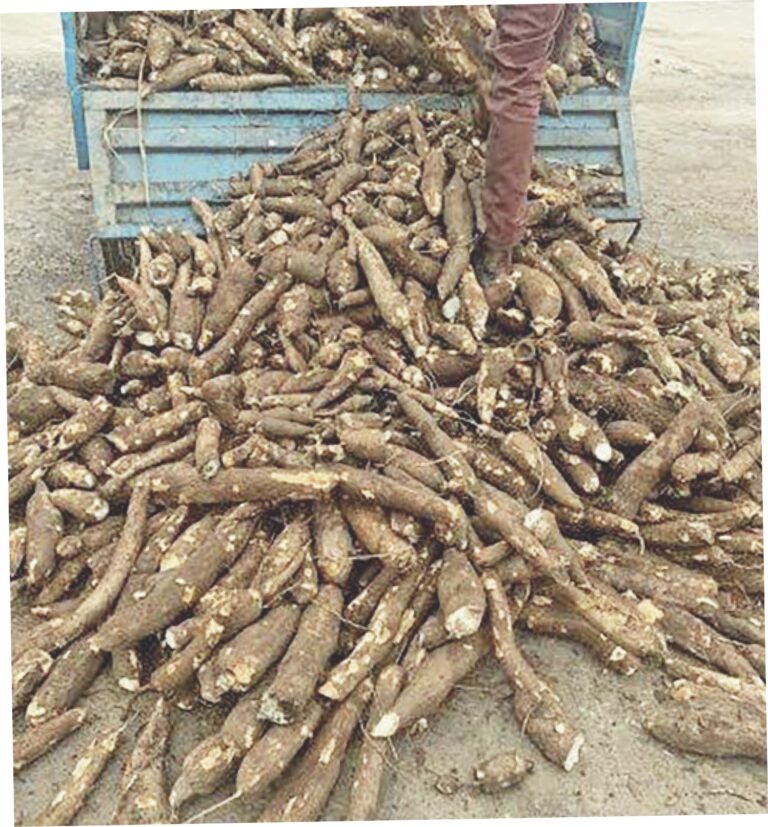
“Our farmers are confused this forthcoming planting season whether to work on their farms or not, these people carry sophisticated guns, they make their cows eat our cassava and other crops,” he lamented.
However, he stated that farmers have adopted going to their farms in group to avoid being attacked by armed herders.
“The only time they go to their farms now is on a special market day set aside by the community, on this day; the majority of farmers work only in the same direction,” Iroegbulam said.
The situation is not different at Amakohia-Ubi and Orogwe communities also in Owerri West, Imo State. A farmer from there alleged that their crops especially cassava were reduced by cattle that grazed on their farmlands. This situation has made farmers in Orogwe community to give up farming as cows eat up their crops as soon as they germinated.
But in Avu community also in Owerri West, the community has set up vigilante group to check the menace of herdsmen this planting season.
A community leader from the area who did not want his name mentioned said: “We’ve been experiencing this for a very long time, they feed their cattle with our cassava, we are tired of complaining to the authorities.”
Even as farmers in several communities in the state have already begun clearing their farmlands for this year’s planting season, indications are that residents of Ihube, Umuololo and Okigwe communities, in Okigwe Local Council of the state may not engage in serious farming this year. The reason is that most of their youths have fled the communities following the activities of bandits in area.
A youth leader in Umulolo community, Madumere Ifeanyi, disclosed that their youths ran to safety as bandits continued to kidnap people in the area for ransom.
“Our major problem is not even the herdsmen because we have been able to tackle their menace, but the bandits occupying the forests. I am a farmer. I cultivate cucumber, but I abandoned the farm since last year because the government has done nothing to tackle this menace in Okigwe zone,” Ifeanyi bemoaned.
He disclosed that only elderly people whose farmlands are close to the community have been able to clear their portions of land for farming, which in most cases are very small land.
A commercial farmer from Ihube, Okigwe LGA, Dr Onyeka Obiaeriri, said: “Most of our peasant and commercial farmers are no longer going to farm because of the fear of being kidnapped, beheaded, killed or maimed by bandits, unknown gunmen in the area.
“For instance, the massive agro park developed by South East Farms and Agricultural Processing Company Limited, an agro-value-chain development firm, which I chair the board, has been abandoned for over two years now, because most of our workers are scared to go to the farm complex because of insecurity in Okigwe. We are currently trying to raise private funds to support our host community-based security initiatives.”
Imo, Enugu communities set up Forest Guards
But the situation in Avu community in Owerri West Council Area is markedly different as the community recently established Forest Guards to protect their forests from marauding herdsmen preventing indigenes from accessing their farmlands.
A native, Mr Odor Ernest, said that the establishment of the Forest Guards will give the people confidence to return to their farmlands.
“In January this year, some local hunters discovered two decomposing bodies inside Ihiagwa forest. These were bodies of kidnap victims. Two persons who were later arrested over the incident by the police are Fulani.
“Avu is a rural community and those mostly engaged in farming are women. So, we have to protect them by establishing Forest Guards. It is obvious that the government cannot protect everyone. We have to at least protect ourselves against marauding herdsmen and kidnappers,” Ernest said.
Also, farmers in Obosima, Obotti and Mgbirichi, all Ohaji communities of Ohaji/Egbema council, have cultists and herdsmen occupying their forests to contend with.
A native of Obotti community, Chief Nwokoma Leonard, disclosed that initially, herdsmen had occupied the abandoned Imo Rubber plantation estate, but after the community chased them away, some cult gangs reoccupied the place preventing people from carrying out farming activities on the vast land.
“Our people are farmers and one of the largest farmlands is the abandoned Imo Rubber plantation estate and the land belongs to the community. Before now, Fulani herdsmen occupied the place and they grazed their cattle on our farms. But we battled them and sent them out of the place yet, those notorious cult boys again occupied there and they cut down the rubber trees and sold them as timber. Now, the boys extort money from farmers or they would be kidnapped. That’s the problem our people face every farming season,” he said.
In Enugu State, some farmers who spoke to Sunday Sun said that they have already started preliminary works on their farms, but pleaded with the government to help protect their investment.
President General of Aku Community in Igbo Etiti Local Government Area, Chief Fidelis Odoh, said that farmers in his community were already busy in their farms despite not having enough backing from the government.
“You know we don’t run a mechanized system. We are just toiling under the sun. And, after all said and done, bumper harvest is determined by the elements of the weather and the fertility of the soil. On the whole, we do hope that God will help us especially with the way things are going now. God will help us so that we will have a bumper harvest.
“Also, let the government look into the case of herders who are roaming our farms. It is not when you are done and you leave, will cows leave it alone?
“So, if it is something that can be done so that those herders will not come to destroy our farms then we will know that this hunger that wants to embarrass people, if we pray to God and God helps and if the government helps with some farm inputs and improved seedlings, it will help us. Some crops mature earlier than others. So, those high breed crops will help,” he said.
On combating murderous herders operating on the fringes of the community, Odoh said that the Aku General Assembly set up Neighbourhood Watch group, on January 5.
“The aim is to secure the territory of Akudiewa. It is not that we fold our arms and are waiting for the government. We are doing our own beat. But you know that our own beat may not be enough because you know the type of arms and ammunition that these people move about with.
“We inaugurated a 24-man security architecture and the aim is for them to be moving within our boundary where our people are farming to give them a first class cover while they are at the farm. But the major security is in the hands of the government. Our own is supplementary. We are not resting on our oars. We are doing our best,” Odoh said.
Similarly, in Isi-Uzo LGA, farmers at settlements in Mgbuji, Ngele Aguiyi and Abo communities said that they were still living in fear following consistent attacks which led to mindless killing of farmers and destruction of farmlands by herders in the area some few years ago.
The farmers who did not want their names mentioned in this report appealed to the government to come to their aid so that they can confidently go back to their farms.
“We have the land, we have the energy and every other thing needed to make Enugu State the food hub of the Southeast. But we can’t do any of these in fear. Once the right things are done, we will fully go into our farms and the result will be seen during harvest,” one of them stated.
But the Special Assistant to Governor Peter Mbah on Research and Publication, Josh Eje, said that the state had tackled all security challenges, which drove farmers out of their farms.
He said that the use of both kinetic and non-kinetic means by the state government and the increased motivation of security formations, including Neighbourhood Watch groups and Forest Guards, helped in addressing challenges both at the boundaries and in the forests.
“The administration of Governor Peter Mbah actually took the war to all these criminals. I mean the kidnappers and the Fulani herdsmen militia that have been destroying farms, kidnapping people and so on. So, this set of people, what the government did was to strengthen security not only within the capital but also in the hinterland and forests.
“The Neighbourhood Watch was strengthened. Before, when the government came in, they were being owed months of salaries. They were demoralized as a result and they sought other alternatives to survive. But what the administration of Governor Peter Mbah did was to increase their salaries and ensure that the backlog of their arrears was paid so they went back to work.
“Also, the Forests Guards were strengthened and motivated. The government has succeeded in terms of security and in terms of safeguarding the boundaries and the forests of Enugu State. These operatives understand the terrain of these local communities because that is where they are from. That has helped.
“The farmers are now confident to go back to farm. The state engaged both kinetic and non-kinetic means to curtail these security issues. Leaders of these Fulani herdsmen engaged and the riot act was read to them that they should call their people to order. So, farmers are back to their farms and this will guarantee food security,” Eje assured.
Abia farmers complain about high cost of labour, fertilizer
Sunday Sun gathered that apart from the Umunneochi Local Government Area axis, the activities of herders to a reasonable extent were not a challenge to farmers in Abia State.
Notwithstanding, farmers there still face enormous challenges ranging from difficulty in acquiring farmland, high cost of labour, to the ever-rising price of fertilizer.
A farmer from Umuhu Ezechi in Bende Local Government Area, Amobi Igwe, said that the greatest problem she is having this year is acquiring farmland.
She said that the amount of money paid for leasing a parcel of land for a farming season has doubled coupled with the high amount labourers charge to clear the land.
“Before, we used to hire a sizable piece of land for between N2,500 to N3,000, but now, it’s N5,000 or more, depending on the size of the land and site.
“In addition, previously, labourers were paid N3,000 per day to clear the farmlands, but presently, they demand between N5,000 and N6,000,” Igwe disclosed.
She said that when all these are summed up, it would put much pressure on their lean pockets, reduce the normal scope of their output, thereby making them not to produce enough food this year.
Farmers in Ugwueke, another food producing community in Bende LGA, also complained about cost of hiring labourers.
Okorie Ude bemoaned the prohibitive cost of fertiliser, noting that a bag of the input is over N45,000 and an average farmer in the village cannot afford it.
At Ohuru, Ndoki in Ukwa East Local Government Area, it was the same tale of woes. Sunday Ugbor told Sunday Sun that in the previous years, he cultivated up to 30 plots of farmland, but this year, as a result of the prevailing cost of hiring labourers and other inputs, he might not be able to cultivate up to 15 plots of farmland.
Meanwhile, the President General of Amaugwu community in Bende LGA said that they have put measures in place to ensure women farmers in the area get farmlands at subsidized rates.
Climate change, land tenure system, problems in Ebonyi
In Ebonyi State, farmers complained about climate change, invasion of farms by herdsmen and other issues.
Farmers at Obegu-aba, Ebonyi LGA, the climate issues have not allowed them commence farming activities this year.
Women Leader of the community, Mrs Helen Nwankwegu said that they have been waiting for rainfall so as to start tilling the soil.
She disclosed that the community had sacked herdsmen and their cattle that used to ravage their area.
“Climate change has affected farming in this part of the country. Once it is ending of February, March, people will start tilling the land, but now, you can’t even say that we are ready to till the land because the sun is getting more scorching.
“So, there is a change in climate and it is actually affecting us and that’s why we must find other means of farming so that we can end hunger and sustain our economy,” she stated.
For the Chairman of Ufuegbu kindred, Ugwu Odida Village, Onicha LGA, Okorie Pius, the early rainfalls indicating seizure of absolute dry season had prompted his preparation of land for tillage for the forthcoming farming activities.
He too complained about high cost of farm inputs in the area.
The farmer also disclosed that dearth of daily labourers and the high cost of the services of the few existing ones are the setbacks starring the peasant farmers on the face.
He, therefore, called for the provision of modern implements as solution to the problem.
Another farmer at Ugwu Odida Ukwu, Chief Daniel Chukwukere explained that early rainfall in most cases usually mislead farmers as some would hurriedly plant their crops hoping that it would continue, but become disappointed later as the sun would dry up the plants inside the soil.
Chukwukere said that he has been keen in observing the weather to enable him know the exact planting period to avoid waste of resources.
He appealed that the government should make a policy for irrigation farming in the state.
A female farmer, Mrs Bessie Okereke, said that most of the farming activities which are manly in nature, including tilling of land and making of yam heaps, could not permit some females and elderly ones like her to engage in the work actively.
Agbo Amauche from Okpuitumo Community, Abakaliki LGA described land tenure system as his major challenge owing to the fact that many land owners had already sold their property for development purpose at the detriment of the farmers.
He mentioned other difficulties to include high cost of land leasehold where a farmer would hardly recover his money during harvest after the payment and other related expenses.
He added that since it would not be possible for the government to provide the farmers with pieces of land, people should be given grant in aid and other necessary support for them to thrive.
Flooding, insecurity bane of Anambra farmers
While the region grapples with insecurity, lack of political will by various state governments to encourage farming and inability of the teeming youths to embrace commercial farming have come to the fore.
One of the fears being expressed by farmers in the agrarian areas of Anambra East, Anambra West, Ayamelum council areas, as well as parts of Onitsha North and South and Atani areas, has been the challenge of flooding.
Following the Nigerian Metrological Agency (NIMET) warning of possible flooding, farmers especially around River Niger, said despite the challenge of not having enough improved seedlings for farming, their major concern was imminent flooding.
According to Yobolisa Anene, a farmer in Otuocha, Anambra East LGA, farmers in the area are in high spirit ahead of this year’s farming season.
Anene who said that nothing had ever affected farming around the riverine areas like flooding also noted that they had suffered perennial insecurity.
“As far as we are concerned, our farmlands have become killing fields. Our people no longer feel secured in our farmlands because of marauding killer herdsmen and other criminal elements.
“We also have problem of unavailability of improved seedlings and necessary farm implements that would help us farm our arable lands. What government of these days are doing in the name of empowerment is nothing but smokescreen, they gather people and show them few machines and cart away the rest,” he stated.
For Ichie Ezeakani, one of the richest yam farmers from Nawfia, Anambra State, this year’s farming season could become one of the most challenging in the annals of history.
Ezekani said: “We are getting old and I am afraid we may not have people who will take over from us. Our children are not interested in farming or agriculture because they are engaging in other businesses that do not encourage hard work.
“Government is not in any way helping us. They should be giving us improved seedlings and other aids to encourage farmers. There should also be access road network to enable us bring out our farm produce to other parts of the state.”
On NIMET’s prediction of heavy flooding, a farmer said: “We are still trying to recover from the shock of 2012 and other years where our farmlands were completed washed away by flood.
“For instance, those who cultivated rice around Omor, Anaku, Igbariam and Atani counted their losses when the flood destroyed our farms.
“So, with the same warning again this year, we are already afraid because we won’t struggle to borrow money to cultivate our farms only for flood to come and wash them away.”
Miyetti Allah allays fear over herdsmen attack
Regardless, the National Vice Director of Miyetti Allah Cattle Breeders Association of Nigeria (MACBAN), Alhaji Gidado Sidiki, said that the association was working with farmers and state governments in the Southeast to fish out criminals who disguise as herders to commit crime in the region.
“Let it be noted that the leadership of MACBAN will not hesitate to report any herdsman suspected to be criminally inclined to the police. We will fully lend our efforts towards fostering an enduring harmonious relationship between our people and their host communities, as it is only in a peaceful environment that our business will thrive,” Sidiki said.