Follow Us on Google
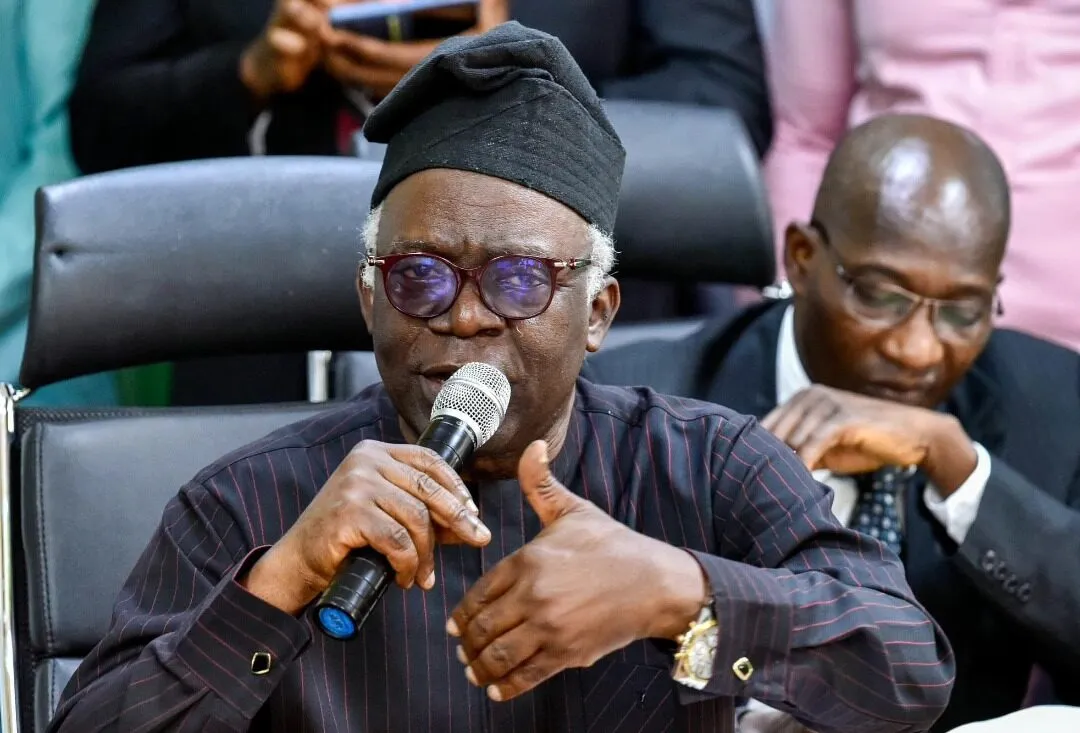
Human rights lawyer and Senior Advocate of Nigeria, Femi Falana, has raised concerns over conflicting court judgments involving the Independent National Electoral Commission (INEC), warning that unresolved legal contradictions could threaten preparations for the 2027 general elections.
In a strongly worded statement titled, “Nigerian Judges and Lawyers Should Be Prevented From Sabotaging the 2027 Election,” Falana cautioned that contradictory decisions from courts of equal jurisdiction risk creating confusion around electoral procedures and weakening public trust in both the judiciary and the democratic process.
The senior lawyer criticised recent rulings by two Federal High Court judges on INEC’s authority to fix timelines for party primaries and require political parties to submit membership registers ahead of the 2027 polls.
According to him, the conflicting decisions have placed the electoral commission in a difficult legal position, effectively leaving INEC to decide which judgment to obey.
The controversy began after Justice Mohammed Umar nullified INEC’s timetable for party primaries, candidate nominations and the May 10 deadline for political parties to submit their membership registers. Delivering judgment in a suit filed by the Youth Party, the court held that aspects of the commission’s timetable were inconsistent with provisions of the Electoral Act 2026.
INEC subsequently challenged the ruling at the Court of Appeal and filed a motion seeking a stay of execution pending the outcome of the appeal.
However, in a separate suit instituted by the Social Democratic Party, Justice J.K. Omotosho affirmed INEC’s constitutional and statutory powers to issue election timetables, including deadlines for party primaries and related electoral activities.
Falana argued that the two rulings have generated avoidable uncertainty at a sensitive period in Nigeria’s electoral calendar.
Other News
“The judgments of both courts of coordinate jurisdiction have caused unnecessary confusion in the polity,” he said.
He maintained that Justice Omotosho should have allowed the appellate court to determine the validity of the earlier ruling instead of issuing a judgment that directly contradicted an existing decision on the same subject.
Falana also called on the National Judicial Council and the Nigerian Bar Association to urgently investigate the circumstances surrounding the conflicting rulings delivered in the cases involving the Youth Party and the SDP against INEC.
He stressed that judges and lawyers must avoid actions capable of undermining the credibility of future elections, warning that legal disputes should not become tools for disrupting democratic processes.
Drawing parallels with Nigeria’s political history, Falana warned that failure to address the situation could reopen painful memories of 1993, when conflicting court orders became part of the legal crisis surrounding the annulment of the June 12 presidential election.
“Unless the judges and lawyers involved are called to order, the 2027 election may be sabotaged by judges and lawyers,” he warned.
His intervention comes as political parties, electoral authorities and stakeholders intensify preparations for what is expected to be another fiercely contested election cycle in Nigeria.