Follow Us on Google

By Chinenye Anuforo
A new political and civic movement led by the human rights lawyer, Femi Falana, has called for the disclosure of agreements allegedly entered into by the Nigerian government with foreign powers, particularly the United States, warning that secrecy surrounding such arrangements could undermine the country’s sovereignty and control over its natural resources.
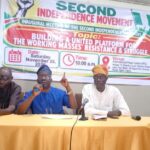
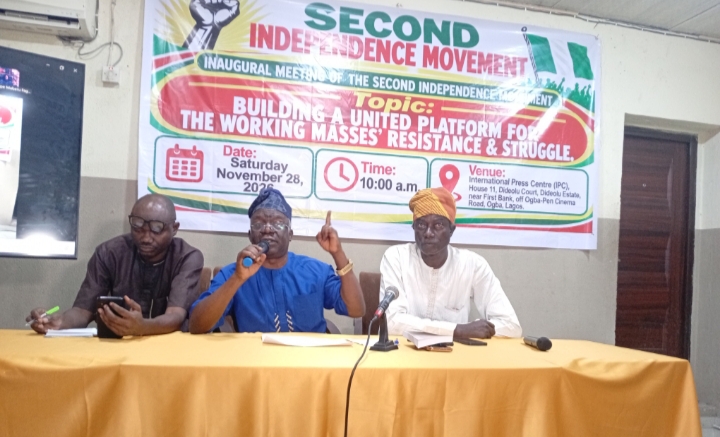
The Second Independence Movement, which was formally introduced at a public gathering on Friday, said Nigeria’s political independence had not translated into economic freedom, social justice or improved living conditions for the majority of its citizens.
Falana, chairman of the movement, said the group would seek the release of relevant agreements through the Freedom of Information Act and pursue legal action if the government refused to make them public.
“We are demanding the full publication of that agreement,” Falana said, insisting that Nigerians had a right to know the terms of arrangements made in their name.
He said the movement was particularly concerned about reports of an agreement involving the exploitation of Nigeria’s solid minerals by foreign interests, as well as questions surrounding the possible sharing of Nigerians’ personal and health information.
Falana maintained that the country’s natural resources and sensitive information could not be placed beyond public scrutiny through agreements negotiated behind closed doors.
The movement also raised concerns about the constitutional implications of international agreements, arguing that treaties affecting Nigeria must comply with the provisions of the Constitution, including Section 12, which provides for the domestication of treaties before they can have the force of law in the country.
The group said the demand for transparency was part of a broader struggle to reclaim Nigeria’s economic and political independence.
Falana said the movement was not merely seeking a change of government but a fundamental transformation of the country’s social and economic structure.
According to him, the struggle for independence was driven by workers, women, students, youths and other groups who sought freedom from colonial domination, but the benefits of that struggle had not been fully realised.
He cited historical resistance movements, including the Aba Women’s War, the Enugu coal miners’ struggle and the activities of the Zikist Movement, as examples of the sacrifices made by Nigerians in the pursuit of freedom.
The movement also called for greater accountability in the management of Nigeria’s mineral resources, particularly the benefits accruing to communities where mining activities take place.
It urged authorities to investigate whether mining companies were fulfilling their obligations to host communities under the relevant laws, including provisions for community development associations and host community development trusts.
The group argued that communities bearing the environmental and social costs of resource extraction should not remain impoverished while the wealth generated from their land benefited others.
It also criticised what it described as the growing disconnect between political office holders and ordinary Nigerians, citing the payment of generous retirement benefits to some former governors amid the hardship faced by workers and pensioners.
The movement said the current economic situation required a renewed commitment to social welfare, equitable distribution of resources and the protection of citizens’ rights.
Other News
Responding to concerns about the movement’s political direction ahead of the 2027 general elections, Dagga Talar said it was not being established to serve the interests of any political party.
He said the group was “above partisan politics”, adding that its central concern was the survival of Nigeria and the wellbeing of its people.
The movement, he said, was interested in whether Nigerians could live decent human lives, regardless of political affiliation.
The speakers also drew parallels between Nigeria’s current challenges and historical struggles against colonial domination, including the Mau Mau uprising in Kenya.
Falana referred to the struggle for justice by Mau Mau veterans and the eventual recognition of abuses committed during British colonial rule, saying the experience demonstrated the importance of confronting historical injustice.
He argued that the sacrifices of those who fought for freedom should not be forgotten, adding that Nigerians must continue to demand accountability for the injustices suffered under colonial rule and in the years after independence.
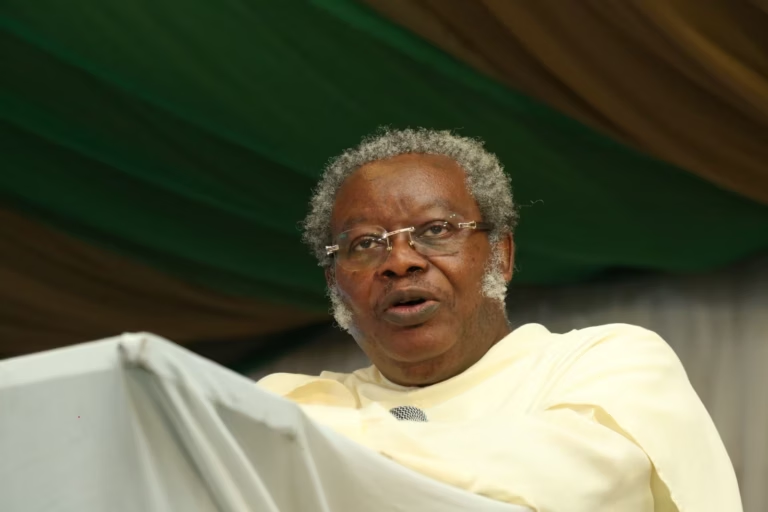
Professor Omotoye Olorode, who also spoke at the gathering, warned that the movement must carefully address the ideological and organisational challenges that had weakened progressive forces in the country.
“I think much of it is a crisis of the Left,” Olorode said, pointing to the difficulty of building a coherent political movement capable of translating popular discontent into sustained action.
He cautioned against rushing the process of building the movement without first establishing a clear direction, structure and method.
“It is better to start well,” he said, adding: “We should not rush into this.”
Olorode said the movement needed to learn from the experiences of earlier political formations and develop a clear strategy for mobilising Nigerians around common economic and social objectives.
The Second Independence Movement said it intended to build a broad coalition of Nigerians committed to national renewal, social justice and the protection of the country’s sovereignty.
It said the initiative was not limited to electoral politics but was aimed at mobilising citizens to demand accountability and influence the direction of national development.
Falana said the movement was being launched at a critical moment in Nigeria’s history, when economic hardship, insecurity and the perceived failure of political leadership had deepened public frustration.
“We are coming together to save not just Nigeria, but the African continent,” he said.