Follow Us on Google
By Kenneth Udeh, Abuja
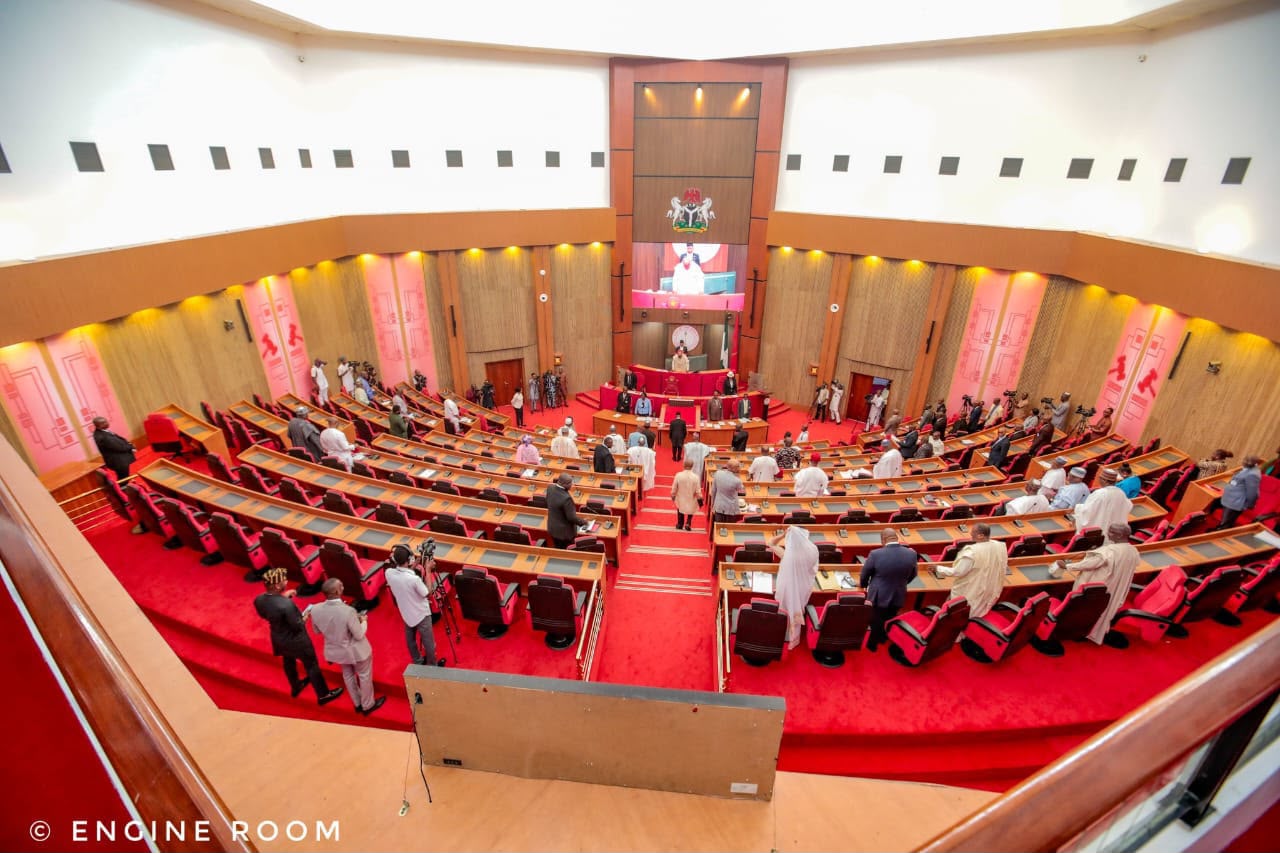
The Senate on Wednesday took a major step towards tightening Nigeria’s legal regime against counterfeit medicines and unsafe food products, passing for second reading a bill seeking stiffer penalties, stronger enforcement powers and a comprehensive framework to combat fake drugs, adulterated medical products and unwholesome processed foods.
The proposed legislation, titled the Counterfeit Medical Products, Fake Drugs and Unwholesome Processed Foods (Prohibition and Control) Bill, 2026 (SB.951), sponsored by Umar Sadiq Suleiman, was subsequently referred by the Senate, presided over by Godswill Akpabio, to the Senate Committee on Health (Secondary and Tertiary) for further legislative work, with a mandate to report back within four weeks.
Leading the debate, Senator Suleiman said the bill seeks to repeal the obsolete Counterfeit and Fake Drugs and Unwholesome Processed Foods Act, Cap. C34, Laws of the Federation of Nigeria, 2004, replacing it with a modern legal framework capable of addressing emerging threats posed by counterfeit medicines, fake drugs, adulterated cosmetics, mislabelled chemicals and unsafe processed foods.
He noted that advances in technology, online marketing, cross-border trafficking and organised criminal networks had rendered the existing law inadequate to effectively tackle the growing menace.
According to him, the legislation is fundamentally aimed at protecting Nigerians from preventable deaths and disabilities caused by fake medicines while restoring confidence in the country’s healthcare system and pharmaceutical industry.
Among its major objectives, the bill criminalises the production, importation, manufacture, transportation, distribution, sale, possession and facilitation of counterfeit medical products, fake drugs and unwholesome processed foods. It also outlaws the manufacture or possession of labels, wrappers, packaging materials and equipment intended for counterfeit production.
The bill further prohibits the sale or hawking of drugs in unauthorised locations, including markets, motor parks, roadside stalls, buses, ferries and unlicensed online platforms.
It proposes stringent punishments, including prison terms of up to 15 years for serious offences, heavy fines, compensation for victims or their families and sanctions against corporate organisations and their directors found culpable.
To strengthen enforcement, the bill empowers the National Agency for Food and Drug Administration and Control (NAFDAC) to deploy modern product tracking technologies, establish national and state enforcement task forces, inspect facilities, seize counterfeit products, arrest suspects, seal offending premises and strengthen surveillance at Nigeria’s ports of entry.
The legislation also grants exclusive jurisdiction to the Federal High Court to hear cases arising from the Act and mandates accelerated trial of offences to prevent delays in prosecution.
Describing the legislation as a life-saving intervention, Senator Suleiman said the proposal goes beyond punishment by seeking to protect public health, safeguard legitimate businesses, improve consumer confidence and align Nigeria’s anti-counterfeit regime with global best practices.
The bill received overwhelming support from lawmakers during debate.
Senator Samson Ekong described the legislation as timely and long overdue, lamenting that counterfeit medicines had become so widespread that “the principal beneficiaries” were casket makers due to avoidable deaths.
He said the Senate had a duty to send a clear message that the business of trading in fake medicines must end through effective deterrent penalties that protect lives and public health.
Also contributing, Adams Oshiomhole said virtually every Nigerian had either been a victim or was at risk of becoming a victim of fake drugs.
While acknowledging the efforts of NAFDAC, he observed that counterfeit medicines remained rampant across both rural and urban communities, contributing to rising cases of kidney disease and other organ failures.
He described fake medicines as “instruments of death” and urged lawmakers to support stronger legal sanctions against offenders.
However, some senators raised concerns over possible overlaps with the existing mandate of NAFDAC.
Deputy Senate President Barau Jibrin supported the bill but stressed the need to clearly establish its relationship with the NAFDAC Act.
He disclosed that concerns about possible conflict with the agency’s enabling law had been addressed after it became clear that NAFDAC itself supported the legislation because of gaps in the existing legal framework.
Barau urged the committee handling the bill to clearly demonstrate that the proposed legislation was intended to strengthen not duplicate the powers of NAFDAC.
Similarly, Adeniyi Adegbonmire commended the objectives of the bill but questioned whether many of its provisions were already covered under the NAFDAC Act, warning against unnecessary duplication of regulatory responsibilities.
Former Senate Leader Yahaya Abdullahi also supported the bill’s second reading but recommended that the committee invite the entire pharmaceutical profession and relevant regulators during the public hearing.
According to him, stakeholders should determine whether the objectives of the proposal would be better achieved through amendments to the NAFDAC Act rather than creating overlapping regulatory provisions.
In the same vein, Victor Umeh observed that combating counterfeit drugs and unsafe food products already falls within NAFDAC’s statutory responsibilities.
He nevertheless backed the bill’s progression to the next legislative stage, expressing confidence that consultations with NAFDAC during the public hearing would enable lawmakers to take an informed decision on the final shape of the legislation.
In his remarks before referring the bill to committee, Senate President Akpabio thanked senators for their robust contributions, noting that concerns over the relationship between the proposed law and NAFDAC had been adequately highlighted and would be addressed during the public hearing.
Following the voice votes in favour of the second reading of the bill, Akpabio thereafter referred the bill to the Senate Committee on Health (Secondary and Tertiary), directing it to submit its report to the Senate within four weeks.