Follow Us on Google
By Maduka Nweke, [email protected]
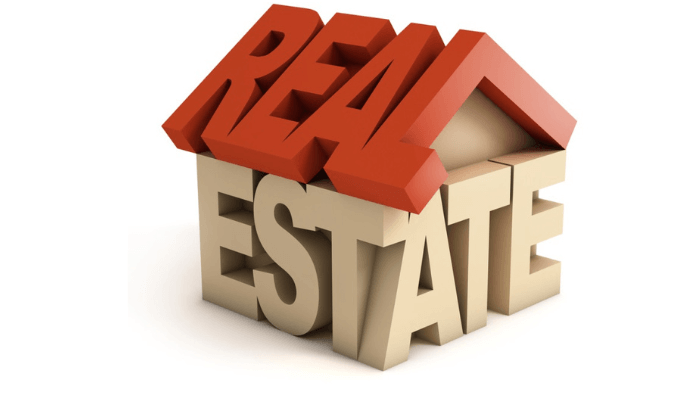
Return on Investment, commonly known as ROI, is the heartbeat of property investment. For landlords and property owners, a strong ROI is not just a number, it is the key to long-term wealth creation that can benefit both current and future generations. ROI measures the profitability of a real estate investment as a percentage of its total cost. It is calculated by dividing net profit from the property by the total investment cost and multiplying by 100. Net profit can come from rental income after expenses or capital appreciation when a property is sold for more than it was purchased.
Attaining a robust ROI is essential for commercial property investors, as it directly drives investment decisions and determines the long-term viability of an investment. “Securing a strong ROI on your property takes a smart and proactive real estate investor who has the gift of foresight,” explains Chief Innocent Merckson Okoro, Principal Partner at MI Okoro and Associates.
He added: “You need to be someone who can identify opportunities miles away, carry out due diligence even when all seems well, and be a strong risk-taker.”
With Nigeria’s current economic climate, investors are increasingly concerned about capital security. Whether aiming to improve returns on an existing property or purchasing new commercial real estate, understanding ROI and applying strategic management principles is critical for maximizing income and safeguarding investments.
Tenant quality and property location are key
“A big-time tenant or multiple tenants with long-term leases and favorable terms, especially with a fixed yearly rental increase, can significantly boost ROI,” Chief Okoro notes.
According to him, tenant selection is critical; property owners must carry out thorough due diligence to ensure prospective tenants are reliable and capable of paying rent on time. “If you can’t effectively carry out such a task, you can employ the services of a property manager,” he adds, emphasizing that professional management can safeguard both cash flow and asset value.
Location remains a major factor but is not the only determinant of strong ROI. “It is all about doing your homework and understanding the market you are buying into,” says Chief Okoro. While properties in major urban centers such as Abuja, Lagos, Port Harcourt, Enugu, and Calabar tend to command higher prices, promising returns can also be achieved in emerging towns such as Ikare, Akure, Igbakwu, Nekede, and Obinze. “Promising does not mean the most expensive or cheapest. Promising means a place where people would like to live, which can be influenced by multiple factors including accessibility, amenities, and local economic activity,” he explains.
Practical examples illustrate this. Consider a commercial office block in Ikare that was purchased for N45 million. After securing three long-term tenants, including a school, a law firm, and a retail outlet, the owner achieved an annual rental income of N7.2 million, translating to an ROI of approximately 16 percent in the first year alone. In contrast, a similar property in Lagos may require an investment of N300 million to attract comparable tenants, but the ROI may initially be lower due to higher acquisition costs and overheads, even if the potential capital appreciation is greater over the long term.
Chief Ben Omanukwue, Chairman and Managing Director of KRABO Nigeria Ltd, stresses the importance of nurturing an investment. “After investment, you must give your investment some gestation period during which it will mature and start yielding dividends. If you borrow capital for your investment, the capital must first be able to replace itself before you can start taking profits,” he advises. Patience, he adds, is a critical yet often overlooked ingredient in maintaining long-term ROI.
Maintenance, rates and professional oversight
Maintaining a strong ROI requires proactive property management, careful financial planning, and ongoing market awareness. Regular maintenance is critical to preserving the value of the property. “Consistent and preventive maintenance preserves your property’s value and attracts high-quality tenants,” Chief Omanukwue states. Promptly addressing repairs prevents minor issues from escalating into costly problems that erode profits and increase vacancy rates.
Tenant management is equally vital. Rigorous tenant screening ensures reliable tenants who pay rent on time, while fostering positive relationships improves retention rates. High retention reduces the costs associated with tenant turnover and prolonged vacancies, which can significantly affect cash flow. Setting competitive rental rates is also essential. Property owners must continually research local markets to balance affordability with profitability, adjusting rates in line with inflation and rising expenses.
Professional management companies can further enhance ROI by overseeing rent collection, maintenance, and legal compliance, providing a hands-off experience for the investor while ensuring consistent cash flow. “If you cannot manage the property actively, consider hiring a professional property management company; they handle everything from tenant relations and rent collection to maintenance and legal issues, ensuring consistent cash flow,” says Chief Okoro.
Insurance and risk mitigation are also non-negotiable for property investors. Ndata emphasizes that comprehensive insurance protects against fire, natural disasters, vandalism, and even government demolitions. “Those who insured their property before demolition always smile to the bank because the insurance company will indemnify them, often exceeding the initial investment,” he explains. This strategy not only safeguards capital but also preserves long-term ROI.
Strategic upgrades can further enhance property value. David Obodoeze, an interior decorator and real estate expert, explains: “Invest in improvements and modern amenities that align with market demand to increase the property’s appeal without overcapitalization. Green features, modern finishes, and functional layouts attract premium tenants and boost rental income.”
Market awareness and long-term value creation
A key component of maximising ROI is continuous market awareness. Investors must track local and broader economic trends, including GDP growth, inflation, and infrastructure development. Properties near ongoing or planned infrastructure projects such as new roads, commercial hubs, or transportation networks often appreciate faster and attract higher-quality tenants.
Diversification across property types and locations is another critical strategy. Residential, commercial, and short-let properties can generate different cash flows and reduce exposure to market fluctuations. Obodoeze notes, “Spread investments across different property types and locations to mitigate risks and weather market volatility. Real estate is a long-term investment, and patience generally yields better returns than short-term speculation.”
Case studies from Nigerian cities provide practical insights. In Enugu, an investor who purchased a mixed-use building comprising residential flats and commercial offices for N120 million was able to generate N18 million in annual rent, achieving an initial ROI of 15 percent. After strategic renovations, including upgraded plumbing, modern finishes, and energy-efficient lighting, the investor increased rental rates by 20 percent over three years, ultimately achieving a 25 percent ROI.
Conversely, another investor in Lagos purchased a similar property without performing adequate market research. Despite high rental demand in the area, poorly screened tenants led to frequent vacancies and maintenance disputes, resulting in an actual ROI of just 6 percent—highlighting the importance of tenant selection, market understanding, and ongoing property management.
Protect your investment with right financial and legal frameworks
Experts agree that robust financial and legal management is fundamental to maximising ROI. Chief Sam Willey Ndata stresses that due diligence at the point of purchase forms the foundation of sustainable investment returns. “Engage reputable lawyers and surveyors to verify property titles and ensure the property is free of disputes or government acquisition plans,” he advises. This step prevents future legal entanglements that can erode profitability.
Maintaining accurate financial records is equally crucial. Separate accounts for each property allow investors to track income, expenses, and net returns. Good records also facilitate access to financing for future opportunities. Ndata explains, “Keeping precise financial statements will enable you to know which of your investments is most lucrative and how to channel future investments in terms of location and property type.”
Understanding legal and tax frameworks is another key factor. Investors must stay informed about Nigerian real estate laws, zoning regulations, property taxes, and tenancy rules. Proper guidance ensures compliance and protects profitability. Consulting legal experts in real estate law provides confidence, reduces risk, and ensures investors are not overtaxed or penalized unnecessarily.
Maximizing ROI in Nigerian real estate requires a blend of foresight, strategic management, legal and financial diligence, and a thorough understanding of the market. Investors who combine careful tenant selection, proactive maintenance, strategic upgrades, insurance coverage, and legal compliance are best positioned to achieve sustainable returns.
The insights of experts such as Chief Okoro, Chief Omanukwue, Chief Ndata, and David Obodoeze underscore that property investment is more than buying land or buildings, it is a long-term strategy that requires patience, market intelligence, and disciplined management. By following these principles, investors can not only achieve strong ROI but also create assets that appreciate in value, generate consistent income, and contribute to long-term wealth creation.
Ultimately, ROI is both a metric and a mindset. It measures profitability while guiding investors on how to manage risk, optimize operations, and make informed decisions. For Nigerian property owners, mastering ROI is not just about today’s returns; it is about building sustainable wealth for the future.