Follow Us on Google
Internal auditing has been described as an effective tool for preventive-anti-corruption and anti-fraud strategies.
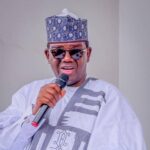
Noble Patrick Onwura Nzechukwu, Pioneer President/CEO, Society for West African Internal Audit Professionals (SWAIAP) and Minister of Education, Prof Tahir Mamman, made the recommendation at the third edition of the Induction, Fellowship Award and National Dialogue on Internal Auditing, held at the Lagos Chamber of Commerce and Industry (LCCI) at the weekend.
The event with the theme, ‘Internal Auditing, Tool for Preventive-Anti-Corruption & Anti-Fraud Strategies & Code of Ethics Agent’ discussed issues like the Role of Internal Auditor as a Catalyst for Achieving Corporate Objectives; Making the Internal Auditor Acceptable Agent of Change and Auditing the Information Technology Environment, the Requirements of Internal Auditor.
Nzechukwu regretted that emphasis are often laid on cure rather than prevention of financial and non-financial risks, noted that SWAIAP, was incorporated to institutionalise internal auditing in West Africa and its environs as a tool to prevent and detect corruption and fraud and to enhance business processes and performance in both private and public sectors.
He said, “Our motivation at SWAIAP was drawn from the dearth of effective internal auditing in the sub-region, instituted by overemphasis on statutory auditing and enforcement of anti-corruption and anti-fraud laws at the expense of preventive measures which involves effective internal auditing. All geared towards discovery and recovery of financial improprieties and malfeasances.
“Emphasis is paid on cure rather than prevention of financial and non-financial risks. This practice has given rise to a soaring high level of corruption, wastes, inefficiencies, and ineffectiveness. The result is a relegation of internal auditing to the background by the existing local professional bodies, institutions of learning and government organizations both at the federal and state levels,” he stated.
He disclosed that a recent survey identified a serious lack of internal audit education and training. He said it was observed that an accounting background has been seen as the most important requirement for entry into internal auditing work. However, such requirement does not provide internal auditors with the knowledge of adequate analytical tools necessary for carrying out their professional responsibilities.
Earlier, in his speech, the Minister of Education, Prof Tahir Mamman, represented by Omada David Director/Principal, Federal Science and Technical Colleges (FSTC) Yaba, canvassed internal auditing tools in fortifying defences against corruption and fraud.