Follow Us on Google
By Chukwuma Umeorah
Stakeholders in Nigeria’s infrastructure space have called for increased reliance on domestic funding sources to bridge the country’s estimated $2.3 trillion infrastructure gap, warning that poor project execution and widespread abandonment continue to undermine growth.
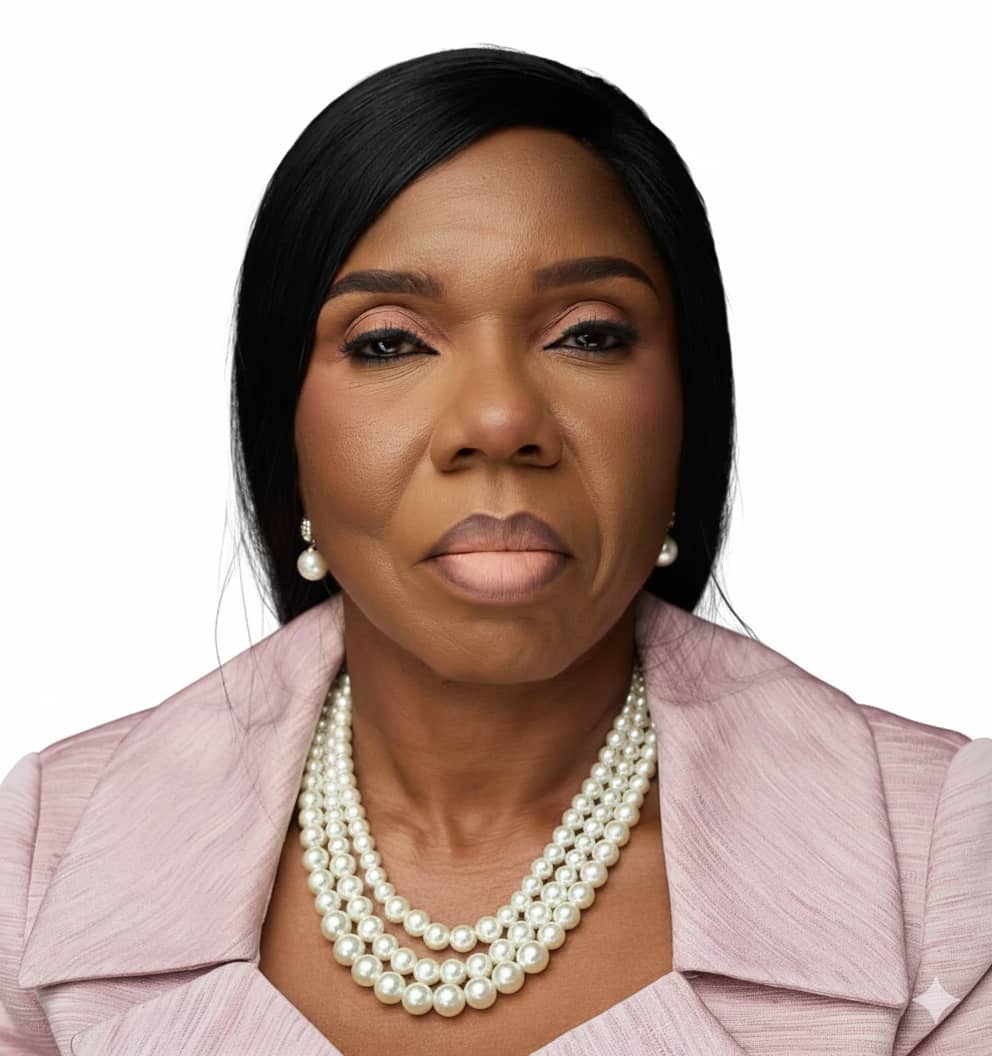
Deputy President of the Nigerian Society of Engineers, Valerie Agberagba, speaking at the inaugural West Africa Infrastructure Expo (WAIE 2026) in Lagos, said the government alone lacks the fiscal capacity to fund the scale of infrastructure required, stressing the need to mobilise local capital.
“A case where you need over N200 trillion to build infrastructure over the next 30 to 40 years shows clearly that the government alone cannot fund it. “We need to come together and decide what to do. We have domestic funds, including pension funds, that can be channelled into infrastructure before we begin to look outward”, she said.
Agberagba noted that Nigeria already has the materials and professional capacity to deliver infrastructure but is constrained by weak execution and structural inefficiencies.
“Barely 10 per cent of proposed projects reach financial closure, and only about six per cent move into construction. We are not even sure how many of those are eventually completed,” she said, adding that abandoned projects and infrastructure debt continue to slow growth.
She identified coordination failures across tiers of government, weak stakeholder engagement and gaps in transparency as key bottlenecks.
“There are too many overlaps between federal and state responsibilities. The question is: who do we hold accountable? We need proper data, monitoring systems and clear responsibility lines to track progress,” she said.
On the broader economic impact, she linked poor infrastructure to rising costs for businesses and households, particularly in transportation.
“When roads are bad, transport costs increase because of wear and tear. A trip that should be affordable becomes significantly more expensive,” she said.
“Better roads, decongested ports and improved infrastructure will help reduce these pressures.”
Addressing concerns over policy headwinds, she said recent reforms, though difficult, reflect a transition from long-standing distortions.
Other News
“Some of these policies are not wrong, but they appear harsh because of where we are coming from. Over time, with improved infrastructure and better implementation, the benefits will become clearer,” she said, while noting that adjustments may be needed to cushion immediate impacts.
Agberagba also argued that insecurity should not stall infrastructure development, urging continued investment alongside efforts to improve safety.
“We cannot say we will not move forward because of insecurity. The government is addressing it, but citizens also have a role to play. If we utilise our domestic funds effectively and show seriousness, investors will come”, she noted.
Earlier, Senior Vice President at DMG Events, Josine Heijmans, said Nigeria’s infrastructure deficit reflects both a challenge and an opportunity for investment.
“Nigeria currently has infrastructure stock at about 30 per cent of GDP, compared to the 70 per cent recommended benchmark. That gap highlights the scale of investment required,” she said.
She added that with a rapidly growing population, demand for infrastructure across transport, housing, water and digital connectivity will continue to rise.
“Every new Nigerian will require access to infrastructure. The question is how to deliver efficiently and at scale,” she said, noting that the summit provides a platform for public and private sector stakeholders to align on solutions.
According to her, the focus is on translating policy priorities into implementable projects through collaboration, investment-ready models and stronger partnerships.
“This is a platform to bring stakeholders together to explore solutions, strengthen collaboration and move the industry forward into action,” she said.
Meanwhile, exhibitors at the event pointed to growing opportunities in Nigeria’s infrastructure value chain, particularly in climate control systems driven by expansion in real estate, healthcare, and data infrastructure. HVAC Sales Manager at JMG Nigeria, Hussam Aziz, said the Nigerian market remains one of the most significant in Africa, supported by demand across multiple sectors.
He noted, however, that standardisation and technical capacity development remain areas for improvement. “We can enhance the technical knowledge of specialists in the market and, in collaboration with the government, establish clearer standards for quality across different project types. This will facilitate business and improve outcomes,” he said.
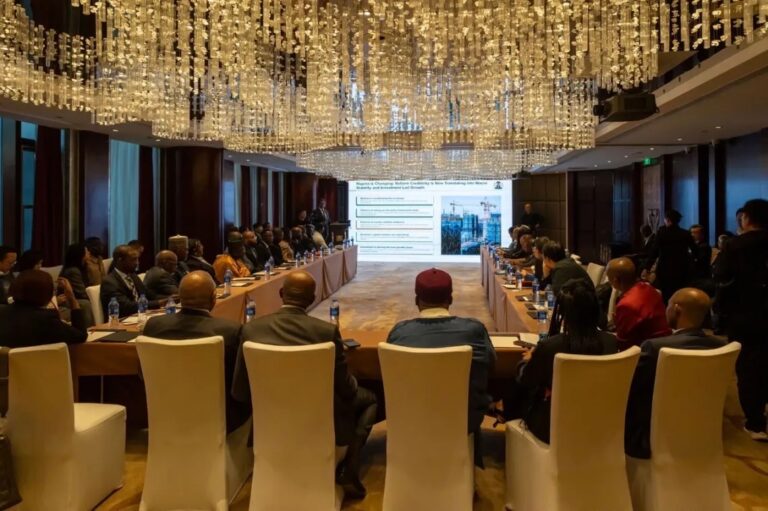
The summit is expected to produce recommendations centred on financing, policy alignment, stakeholder coordination and project execution, with participants emphasising the need for measurable outcomes.