Follow Us on Google
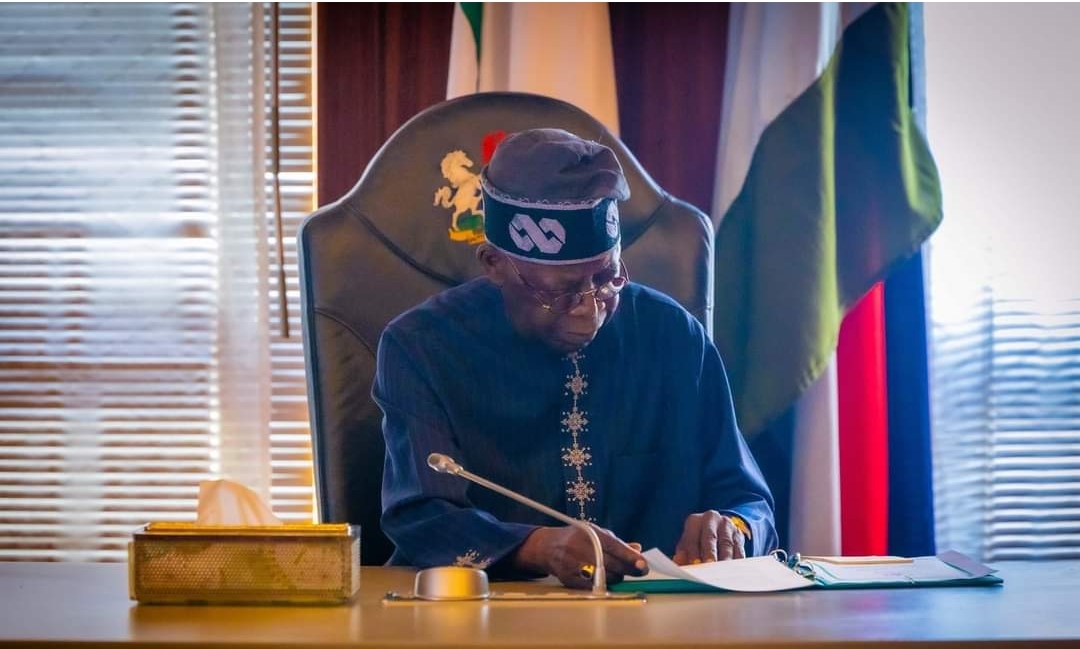
An electrical power specialist, Henry Oguoma, has commended President Bola Ahmed Tinubu for renewed efforts to fix Nigeria’s long-standing electricity crisis, describing recent moves in the power sector as a step toward stabilising the national grid.
Oguoma, who spoke in Owerri after returning from official trips abroad, praised the President’s leadership direction, particularly the appointment of Joseph Olasunkanmi Tegbe as Minister for Power. He said the choice signals a more deliberate push to address structural weaknesses in the sector.
According to him, the Tinubu administration appears set to prioritise grid stabilisation through the Ministry of Power, backed by a presidential taskforce expected to drive reforms across generation, transmission and distribution. He noted that aligning technical interventions with broader policy reforms would be critical to achieving lasting results.
Nigeria has struggled with unstable electricity supply for decades, with frequent outages blamed on ageing infrastructure, weak transmission networks and persistent technical faults. Oguoma said solving these challenges requires not just policy direction but modern engineering solutions capable of preventing system failures before they occur.
To this end, the consultant disclosed plans to partner with foreign technical firms to introduce advanced monitoring systems into Nigeria’s power infrastructure. He highlighted the use of transformer sensor technology—known as Gridscan—which can detect hydrogen and moisture levels in transformer fluids, key indicators of internal faults.
Other News
He explained that the sensors can monitor pressure and temperature in real time, providing early warnings that help prevent transformer breakdowns and grid collapses. The devices, he added, are designed to last up to 20 years with minimal maintenance, alongside a proposed 10-year service support framework and pilot testing phase to demonstrate effectiveness.
Oguoma also signalled interest in supporting the Federal Government’s clean energy ambitions, including the development of hydrogen-powered vehicles as a long-term alternative to compressed natural gas (CNG).
Despite frequent overseas engagements, the expert said he is committed to contributing to Nigeria’s power sector turnaround, dismissing any plans to relocate permanently abroad. He stressed that local expertise, combined with global partnerships, would be key to ending persistent blackouts and delivering stable electricity to homes and businesses.
He expressed confidence that, with sustained reforms and the right technical investments, Nigeria can finally overcome its power supply challenges and unlock broader economic growth.