Follow Us on Google
From Felix Ikem, Nsukka
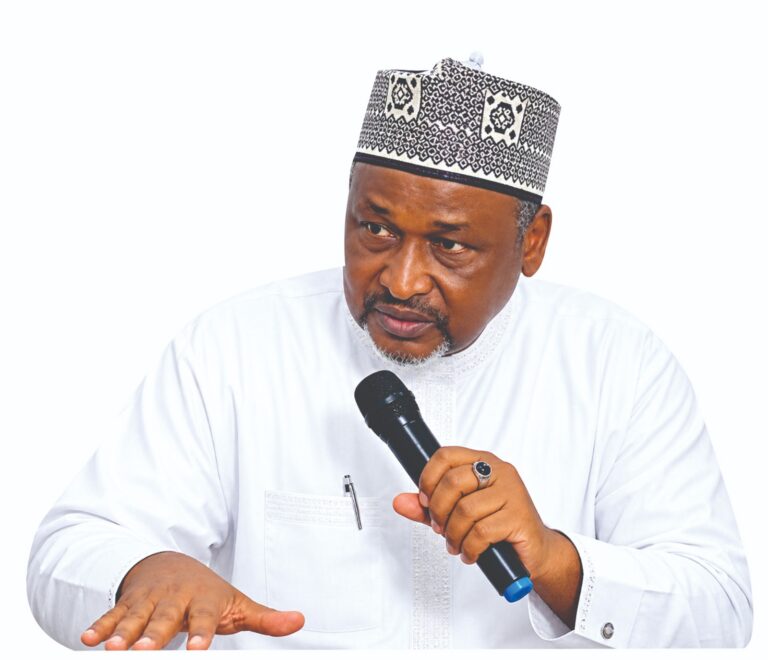
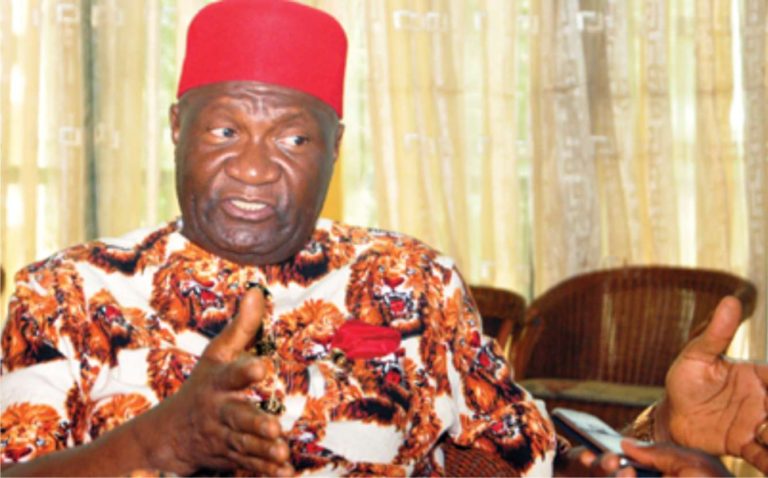
The former Minister of Information, Chief Nnia Nwodo, has urged academics and researchers to develop actionable blueprints to drive the socio-economic revival of the Southeast region.
Nwodo, former President-General of Ohanaeze Ndigbo Worldwide gave the charge in Nsukka on Thursday in a remark during the 2026 South East Nigeria regional Development Summit.
Organised by Africa Centre of Excellence for Sustainable Power and Energy Development (ACE-SPED) University of Nigeria, Nsukka (UNN) in collaboration with Association for Tourism Development in Nigeria (ATDiN), with the theme; “South East Nigeria Regional Development Strategy”.
He said that the Southeast region which flourished in the first republic was one of the fastest-growing economies in the world, and queried what happened to the region’s once-thriving economy.
“We all know that Southeast was one of the fastest growing economies in the world during the country’s first republic, and I ask, what happened to the region’s once thriving economy?.
“This is the perfect time for the professors and academics in the region to unite and show their academic prowess.
“They should find out where the people of the Southeast region missed their past for so long,” he asked.
Nwodo who chaired the occasion urged professors and academics in the region to commercialise their university research into viable businesses.
“This will help in partnering with the South East Development Commission in implementing regional development blueprints, as well as reintegrating business and products from the area into global supply chains,” he said.
The former minister stated that the Southeastern region was known for rapid socio-economic transformation, which according to him moved the region away from over-reliance on basic social services with massive agricultural commercialisation, large-scale industrialisation, and revenue diversification.
“It is undeniable that the Southeast region of Nigeria currently faces severe socioeconomic constraints that have heavily impacted its former status as an industrial and commercial powerhouse.
“This is the perfect time for the professors and academics in the region to unite and show their academic prowess,” he said.
Nwodo, while commending the organisers of the summit urged them to write a saleable programme to the university authorities and governments in the region about all the natural endowment that abounds in the areas of the region for development and commercialisation.
Speaking, Prof Simon Ortuanya, the Vice-chancellor of UNN described the summit as very important as it tends to find ways to integrate regional development in South East Nigeria.
Other News
“There is a need for people of Southeast to work together to address issues of development, insecurity, youth empowerment, energy and infrastructure.
“I wish participants a fruitful deliberation and hope that the summit will come out with solutions to address challenges facing the region,” he said.
In a Keynote speech, Prof Ifedi Okwenna, the Executive Secretary, South East Business & Investment Summit said the people of the region do not lack ideas, enterprise and talents, adding that coordination, organisation and partnership
was one of the major issues hindering development in the area.
Okwenna listed the six pillars for the revival of Southrast regional development as; regional economic cooperation, investment architecture, industrial cluster development, infrastructure development, execution framework and human capital.
According to him, one of the problems in the South East is that everybody is a trader and chairman of his/her business, which he described as one-man power (Ikeotuonye).
He commended the organisers of the summit and urged them not to relent in their dream to revive the Southeast regional economy.
In a remark, Prof Emenike Ejiogu, the Director of ACE-SPED noted that the primary objective of the summit was to provide a platform for key stakeholders to assess regional issues and formulate a unified strategy to transform South East Nigeria into a competitive economy with an attractive environment for tourism, education, and investment.
“This initiative will be guided by the United Nations sustainable development goals on poverty reduction, health and well-being, quality education, inclusive economy and decent work, as well as peace and security.
“The Southeast region has immense natural and material resources, a stronger entrepreneurial base, and a thriving informal sector.
“The establishment of the Southeast Development Commission last year provides an enabling policy framework for a coordinated region-wide approach to development, in contrast to the current fragmented effort.
“Nevertheless, this will be more effective if the people of the region agree to work together to protect their land, invest their wealth at home, rebuild their cities, and industrialise the region,” he said
Ejiogu expressed appreciation to participants who participated in the summit both physically and virtually.
Early, Prof Pat Okpoko, President, Association for Tourism Development in Nigeria said the summit brought together academic stakeholders from various disciplines to brainstorm and develop pragmatic solutions to solve South East problems.
“So that the region will regain its economic position during the first Republic, the era of Michael Opara, the Premier of Eastern Nigeria,” he said.