Follow Us on Google
From Fred Itua, Abuja
A retired Nigerian ambassador has detailed in a new autobiography how officers from the former East Central State were systematically sidelined in the Foreign Service after the Nigeria–Biafra war.
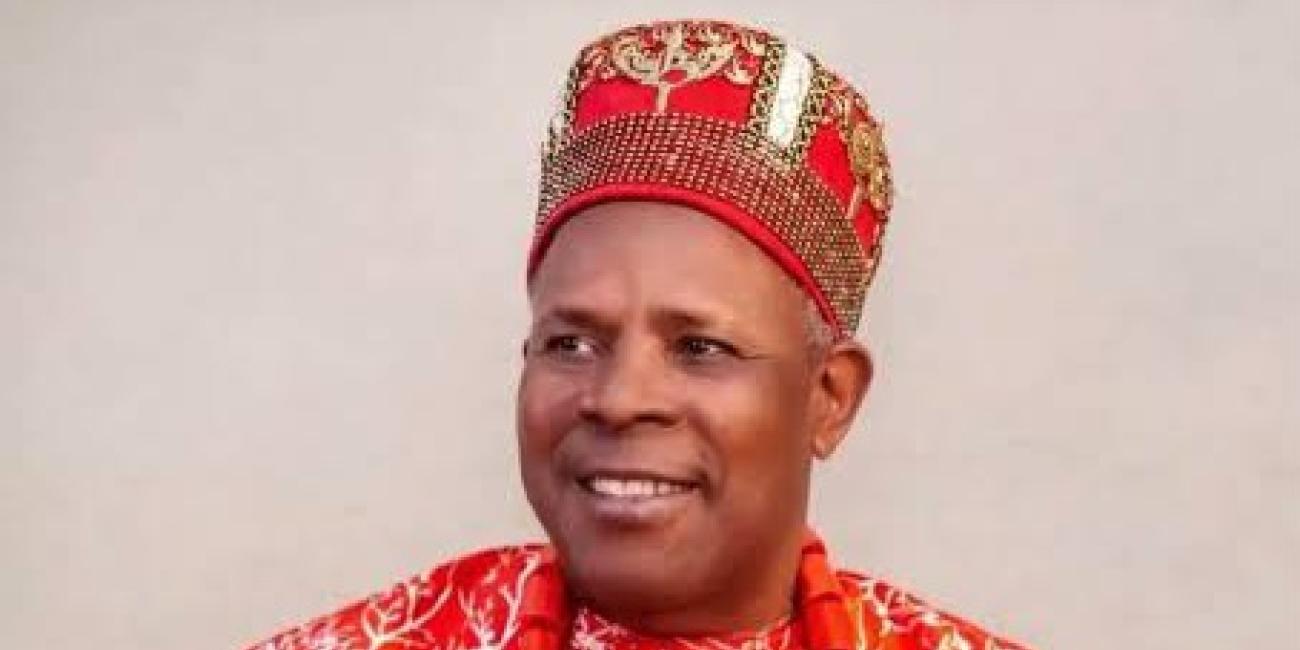
The book, Zero Hour Graduate: A Nigerian Diplomat’s Journey Through War and Service to Triumph, is by Ambassador Lawrence Agubuzu, a career diplomat who later served as a political appointee in Anambra State and an international civil servant with the Organisation of African Unity.
He is now Igwe Lawrence Agubuzu, the Ogbunechendo of Ezema Olo Kingdom in Enugu State, where he is the Chairman of the Enugu State Council of Traditional Rulers and immediate-past Chairman of the South East Council of Traditional Rulers.
Agubuzu was a University of Nigeria, Nsukka graduate when the war broke out in 1967. At his parents’ urging, he did not join the Biafran Army. He supported the war effort through the Olo and Amagu Umulokpa Civil Defence Organisation, sheltering displaced refugees.
He was later commissioned as an intelligence officer with the Biafran Organisation of Freedom Fighters, work that put him in mortal danger at least three times, including a night he swam a swollen river to save a drowning woman.
When the war ended in January 1970, he declined a contract teaching post offered to East Central State graduates in the North, seeing it as proof that national unity remained illusory. He applied to the Ministry of External Affairs and, in April 1971, reported for duty at the Republic Building in Lagos.
According to the memoir, discrimination began as soon as his training class finished at the Foreign Service Academy. A classmate from Benue Plateau State was posted within a week, directly to Nigeria’s mission at the United Nations in New York. Officers from East Central State, referred to in some quarters as coming from rebel areas, were held at headquarters on the strength of unspecified security reports.
When the restriction eased, they were permitted postings only within West Africa. Ambassador Gabriel Akuwafor was sent to Dakar, Ambassador Mark Eze to Lomé, and Agubuzu’s training officer, Ambassador Pascal Nnochiri, to Conakry. Nnochiri had joined before the war and earned two promotions under General Yakubu Gowon, yet his record of loyalty gave him no exemption from the unwritten rule.
The memoir also recounts the case of Mr Mike Amobi, who submitted the name of his intended bride for the security clearance required of all officers wishing to marry. She was the widow of the late Colonel Emmanuel Ifeajuna and was declared unsuitable.
A secret letter from the Permanent Secretary forced Amobi to choose between the marriage and his career. He stayed in the service and ended the engagement. Agubuzu wrote that the sacrifice made no difference, as Amobi was grounded permanently, a diplomat present in body but excluded from meaningful service.
Agubuzu said his own posting was delayed after a supervisor described him as too valuable to release from headquarters, a designation he calls a tag of indispensability. He was freed to take up a post in Liberia only after another Igbo officer, Victor Chibundu, was recalled from Monrovia following an adverse report accusing him of wearing a Biafran-styled suit to Nigeria’s independence anniversary celebrations.
Loyalty to the federal government offered no protection either, the memoir states. Ambassador John Ukegbu, who publicly swore allegiance to the Gowon administration while serving in Liberia during the war, was nonetheless the subject of false reports from a rival deputy and was forced to return to a Lagos where Igbo men were being hunted down.
Agubuzu also named several diplomats, including Ambassador Dapo Fafowora and Ambassador Remi Esau, whom he said were summarily retired, cutting short some of the country’s most capable careers.
He noted that he received support and mentorship from colleagues of other ethnicities throughout his career, and cautioned against generalising about any single tribe or region.
The book stands as one of the most detailed insider accounts yet published of how the civil war’s aftermath shaped careers in Nigeria’s diplomatic corps.
.