Follow Us on Google
From Juliana Taiwo-Obalonye, Abuja
Spotlighting the yawning energy divide that leaves more than 600 million Africans without modern electricity, DoTheDream Youth Development Initiative on Thursday used the 11th United Nations Science, Technology and Innovation (STI) Forum to demand concrete solutions and unveil a 10-megawatt solar pilot to serve as a replicable model for the Global South.
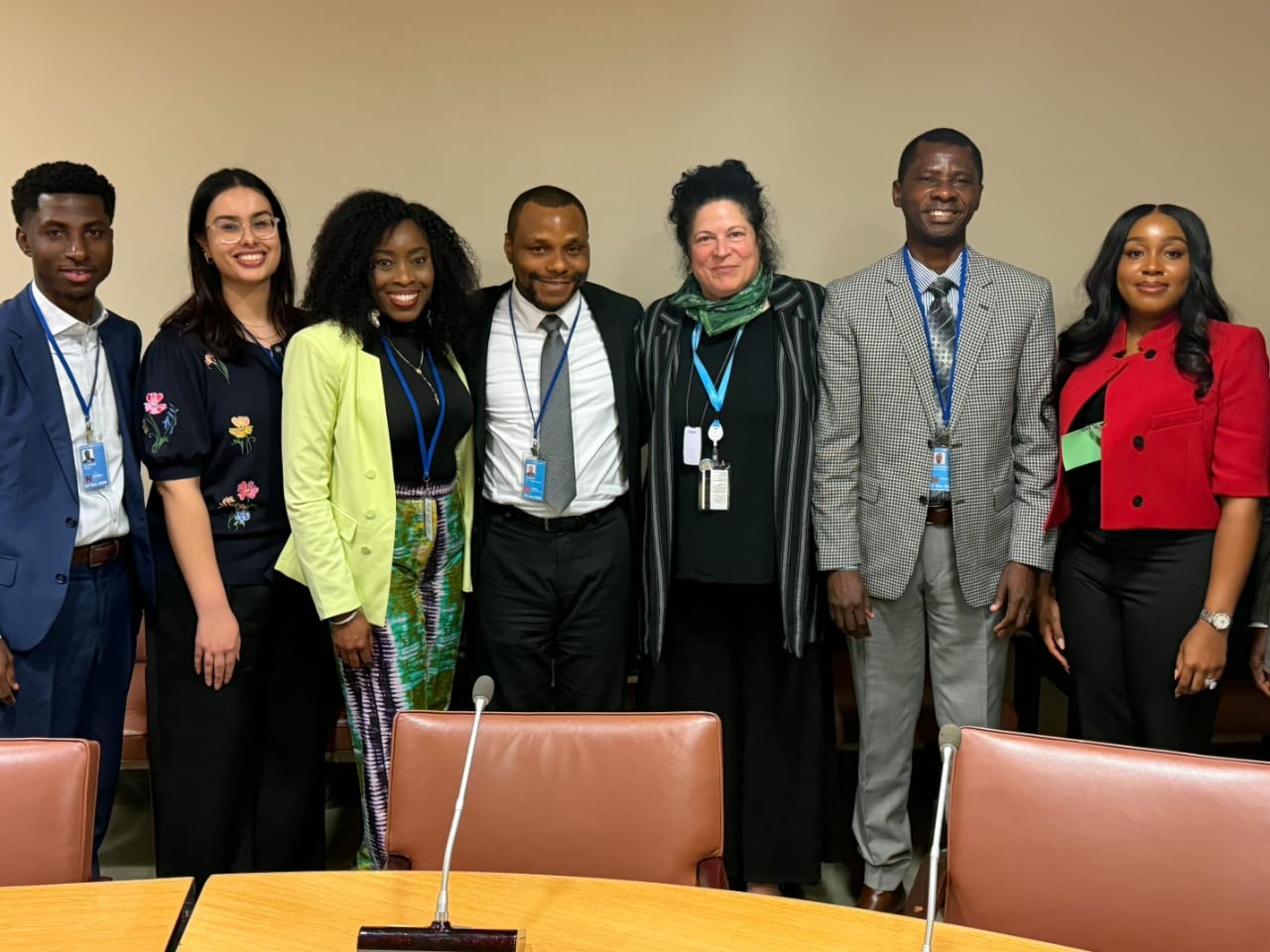
The high‑level side event — She Powers the Planet: Girls in Energy at the Frontline — Innovate, Illuminate, Inspire — co‑organised with the Permanent Mission of Nigeria, CoNGO, the Mactay Foundation (IFTDO) and Servas International, framed the continent’s electricity shortfall as a structural injustice that disproportionately burdens women and girls while excluding them from the sector’s technical, financial and policy decision‑making.
“Over 600 million people in Africa lack access to modern electricity, and women and girls shoulder the heaviest burdens of that deficit,” said Vice President of International Affairs and co‑founder of DoTheDream YDI, Ola Oluyinka. “If we do not tackle the disparity now, entire generations will remain locked out of education, healthcare and economic opportunity.”
Speakers laid out the human costs of the gap: unpowered clinics that jeopardise maternal and child health, schools without light that truncate study time, female entrepreneurs constrained by lack of reliable energy, and digital exclusion that bars young people from tech economies. “Energy poverty is not just a technical problem — it is a justice problem,” said Co‑Chair of the Girls in Energy Global Working Group, Omopeju Afanu. “When we power girls, we power communities. When we power communities, we power economies.”
The Permanent Mission of Nigeria gave the initiative formal backing. Minister‑Counsellor Otaigbe Irusota linked the fight for affordable, clean energy under SDG 7 with gender equality under SDG 5, and pointed to domestic efforts such as the National Energy Transition Plan and the Rural Electrification Agency’s deployment of more than 1,000 solar mini‑grids, several managed by female engineers.
“Addressing the disparity requires gender‑disaggregated data, targeted funding for women‑led enterprises, and policy frameworks that make gender justice non‑negotiable,” he said.
DoTheDream’s response to the disparity is an operational blueprint pairing Girls in Energy Village with a Girls in Energy Fund.
Founder and CEO Adebusuyi Olumadewa described five strategic pillars: career pathways into STEM for girls; community‑owned solutions anchored by a 10MW renewable mini‑grid with at least 75% local female participation; competitions to scale youth innovations; capacity‑building camps; and links to global capital.
“Tackling structural disparity means moving beyond rhetoric to locally led, well‑resourced projects,” Olumadewa said. “Our 10MW pilot in Ayedun, Kwara State, will be a measurable demonstration that energy justice can be delivered at scale — and that girls must be central to that delivery.”
Civil society and private sector partners underscored how the disparity translates into missed opportunities.
Tayo Rotimi of the Mactay Foundation described a Solar Technician Training Programme that has certified over 1,000 young people since 2022 and called for immediate local pilots to prove model viability. Servas International pledged mentorship via its 100‑country network, stressing that technical interventions falter without social connection and ownership.
Other contributors, including Rodrigo Gouveia of Trumerit and women’s health advocate Ekanem Adeleka, urged that inclusion be embedded into funding architecture and economic design so that investments close rather than entrench divides.
The forum concluded with five binding operational commitments under DoTheDream’s governance: immediate launch of the 10MW mini‑grid pilot in Ayedun with replication planned for Iwaya; creation of a Girls in Energy Learning Annexe; presentation of the framework to Nigeria’s Federal Executive Council for policy integration; activation of the GIE Village to drive rural job creation; and operationalisation of the Girls in Energy Fund to channel transparent international investment.
Organisers framed the commitments as a direct counter to the structural disparity that has long slowed African development. “Inclusion is not charity — it is strategic economic sense,” Olumadewa said. “We cannot close the continent’s energy gap without centring those who experience it most: girls and young women.”
By moving from advocacy to tangible pilots and funding mechanisms, DoTheDream aims to turn the UN platform’s attention on disparity into locally delivered solutions. The group plans immediate fundraising and pilot deployment and urged governments, donors and the private sector to prioritise gendered, community‑owned responses to the continent’s energy crisis.