Follow Us on Google
From Babagana Marguba
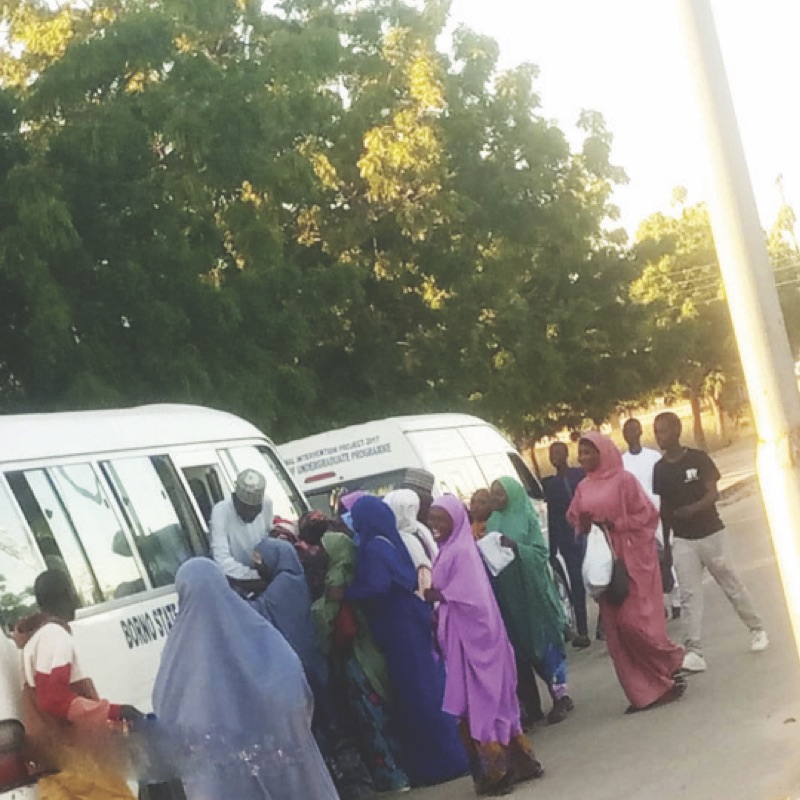
As the sun rises over Borno State University (BOSU), students brace themselves for the journey filled with challenges. For many, the nightmarish daily commute to and from campus is a test of endurance and patience.
These transportation woes facing BOSU students are multifaceted, affecting their academic performance, well-being, and overall university experience.
Situated in Maiduguri, Borno State, BOSU serves as an educational hub for thousands of students from the region and beyond. The hostels are not enough to accommodate the students, forcing many to opt for off-campus arrangements. However, the infrastructure supporting student transportation has not kept pace with the university’s growth. Inadequate public transport options, poor road condition, and safety concerns create a perfect storm of difficulties for the student body.
The primary mode of transportation for most BOSU students is the commercial tricycle, locally known as, Keke NAPEP. While these three-wheeled (tricycle) vehicles are a lifeline for many, they are far from ideal. Overcrowded and often in poor condition, they offer little protection against the elements or accidents.
A second-year student of Sociology, Fatima Muhammad, described the situation as “a daily struggle”, adding that, “sometimes, I have to wait for over an hour just to get a Keke, and when it rains, it is even worse.”
The roads leading to BOSU are another significant issue. Potholes, uneven surfaces and lack of proper drainage system make commuting hazardous. During the rainy season, many roads become nearly impassable, causing delays and increasing the risk of accidents.
“The state of the roads is very unfortunate,” says a student from the Department of Public Administration. He emphasised the urgent need for intervention from the government to ensure safe and reliable access to the university because safety concerns are paramount among students and parents.
Incidents of robbery have been reported, especially during early morning and late evening commutes. The lack of proper street lighting and police patrols add to the sense of vulnerability.
According to David Anthony, a 300-level student of Geography, “we feel unsafe, especially when attending morning classes. It’s a constant worry for all of us.” The transportation challenges are not only a matter of inconvenience but also impact on academic performance. Frequent delays mean students arrive late to classes, miss important lectures, and have less time for study and rest. The stress and fatigue associated with difficult commutes take a toll on their overall well-being. “By the time I get to campus, I’m already exhausted and it affects my concentration and productivity,” explains Fatima Abdullahi, a third-year student.
In response to these pressing issues, both students and the university administration are seeking solutions. The Student Union Government (SUG) has been vocal in advocating better transportation facilities. They have called for the introduction of a dedicated shuttle service to ease the commute and improve safety.
“We need a reliable and affordable transport system for our students, it’s essential for our academic success and peace of mind,” the SUG President, Babakura Babakaka, emphasised.
According to him, the SUG has been working tirelessly to explore various options to address these challenges. They are collaborating with Borno Express Transport to consider establishing a more structured and dependable transportation network. Additionally, he said, efforts were underway to engage with the state and the local government authorities to improve road infrastructure and enhance security measures around the campus vicinity.
One promising initiative is the proposed BOSU Shuttle Service, a dedicated fleet of buses to transport students between the Post Office area and the university. This service aims to reduce reliance on the Keke NAPEP tricycles. provide safer and more comfortable transportation, and ensure timely arrival for classes. While funding and logistics remain hurdles, the proposal has garnered widespread support from the student community and faculty.
Moreover, the university has introduced campus bikes that will aid in providing easy transportation for students to attend their lectures on time, promote physical fitness, and make them more productive.
As Borno State University continues to strive for academic excellence, addressing the transportation challenges faced by its students is imperative. Ensuring safe, reliable, and affordable transportation will not only enhance the student experience, but also contribute to the overall success and reputation of the institution. The journey to resolving these issues is undoubtedly complex, but with concerted effort and commitment from all stakeholders, a smoother ride lies ahead for BOSU students. Until then, the daily commute remains a testament to their resilience and determination in the face of adversity.