Follow Us on Google
From Obinna Odogwu, Awka
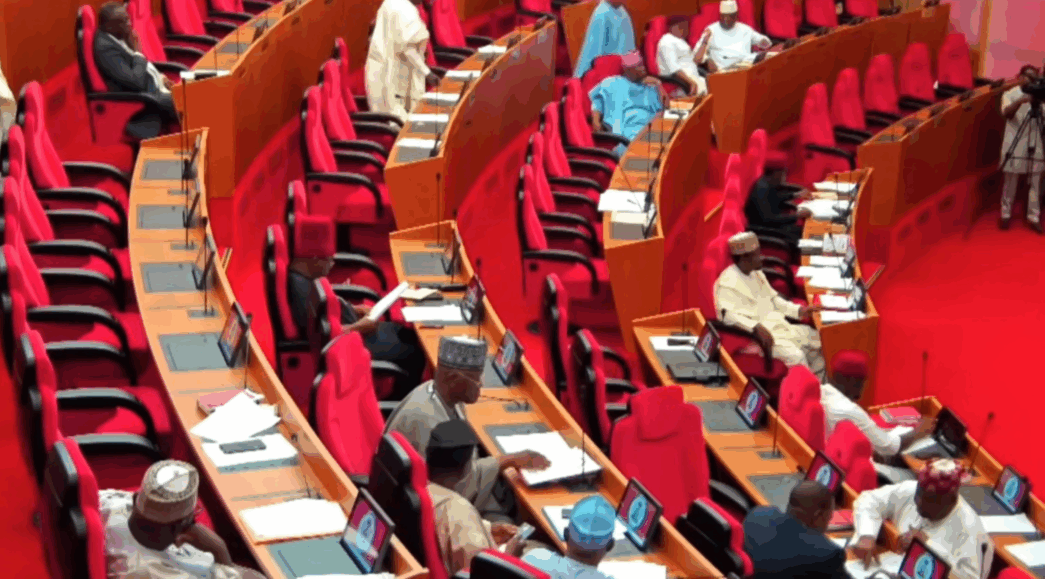
The Youth-led Electoral Reform Project (YERP-Naija) Consortium has criticised the Senate for rejecting a valuable and nationally-accepted amendment passed by the House of Representatives in December 2025, seeking to make real-time electronic transmission of election results from polling units mandatory.
Leaders of the consortium headed by Kimpact Development Initiative (KDI), in a statement signed by its partners from the six geopolitical zones including Bukola Idowu, the Executive Director of KDI, Abuja, who represents North Central, said that they were saddened by the Red Chamber’s action.
Others who endorsed the statement were Nonso Orakwe, Executive Director, Catch Them Young Community Initiative, Awka, (South East); Abimbola Aladejare Salako, Executive Director, The New Generation Girls and Women Development Initiative, Ado Ekiti, (South-West) and Zigwai Ayuba, Executive Director, J-DEV Foundation, Kaduna (North-West) among others.
The group expressed serious concerns over the Senate’s rejection of real-time electronic transmission of election results from polling units during its Electoral Act Amendment plenary on 4 February 2026.
“While the Senate passed the Bill at third reading after extensive deliberations, it rejected a valuable and nationally accepted amendment passed by the House of Representatives in December 2025, which seeks to make real-time electronic transmission of election results from polling units mandatory,” the group lamented.
Other News
The Consortium noted that while the current law allows INEC to decide on electronic transmission or not, the refusal to make it mandatory weakens statutory certainty and limits the transparency safeguards required strengthening public confidence in electoral outcomes. The group asked the National Assembly to reverse the Senate’s decision during its forthcoming harmonisation process between the Senate and the House of Representatives to align with the broader stakeholder expectations.
“The Consortium calls on the conference committee to reconcile the differences and propose adjustments that reflect Nigeria’s youth demand, thereby restoring reforms that strengthen participation and trust in the 2027 general elections. “Furthermore, the Consortium calls on citizens, civil society, labour unions, professional bodies, youth networks, and the media to actively engage the Senate leadership and members to reconsider and reverse its decision, in the interest of safeguarding democratic integrity and the collective will of the people.
“The Consortium also draws attention to the broader timeline of electoral reform. The amendment process has spanned over two years, while constitutional amendment deliberations with direct electoral implications are yet to gain comparable traction. “With time running out for preparations for the 2027 general elections, prolonged delays or diluted reforms risk limiting implementation effectiveness and weakening public confidence in the process. Electoral legislation must not only be passed; it must be passed early enough to be meaningfully applied. “Credible elections depend on transparent, predictable, and enforceable legal standards. Reforms that preserve ambiguity or excessive administrative discretion risk perpetuating systemic challenges observed in previous election cycles.
“At the same time, sustained civic engagement and legislative responsiveness remain powerful tools for shaping outcomes that reflect the collective interest of Nigerians.
“Nigeria stands at a defining moment in its democratic journey. The decisions taken during this reform cycle will influence electoral credibility, political stability, and citizen trust for years to come.”