Follow Us on Google


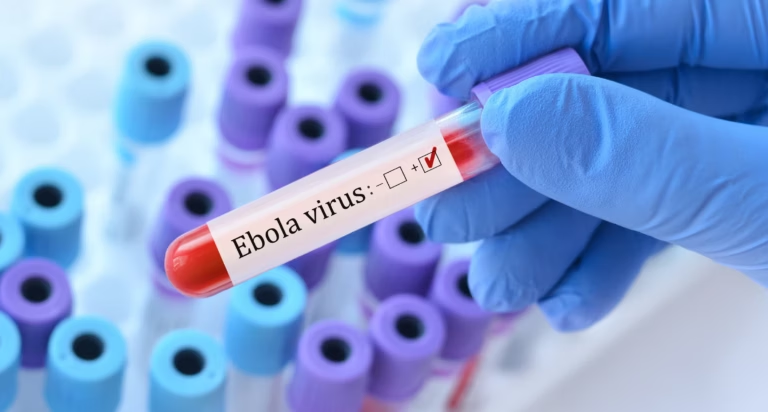
The World Health Organisation (WHO) has said Nigeria currently has no active Ebola case following the medical evacuation of the country’s index patient and her husband to Switzerland.
WHO Regional Director for Africa, Dr Mohamed Janabi, disclosed this in a statement posted on his official X account on Monday, adding that Nigerian health authorities would continue monitoring 52 contacts linked to the confirmed case.
Janabi said the patient and her husband, both Swiss citizens, were evacuated earlier on Monday for further medical care and follow-up.
According to him, the patient was clinically stable after Nigerian medical teams successfully managed the acute phase of her illness and stabilised her condition before the evacuation.
He commended the Federal Government, healthcare workers, clinicians, emergency responders and other partners involved in the response, describing their efforts as a significant achievement.
The WHO regional director said the successful management of the case demonstrated Africa’s capacity to respond to public health emergencies through effective medical care, preparedness and international cooperation.
Despite the development, Janabi warned that vigilance remained essential to prevent further transmission, stressing the importance of continued contact tracing and monitoring.
He explained that Nigeria would maintain surveillance over 52 contacts, while Switzerland would take responsibility for the continued management of the patient and monitor the 53rd contact, her husband.
The evacuation followed efforts by Nigerian health authorities to manage the case and identify people who might have been exposed to the virus.
The Bundibugyo strain of Ebola virus disease, which was identified in the patient, requires careful medical management and public health surveillance to limit the risk of further transmission.
The WHO’s latest update offers reassurance about Nigeria’s immediate situation, but health authorities must continue monitoring identified contacts and implementing relevant public health measures.
The development also highlights the importance of early detection, coordinated medical care and international collaboration in containing infectious disease outbreaks.