Follow Us on Google

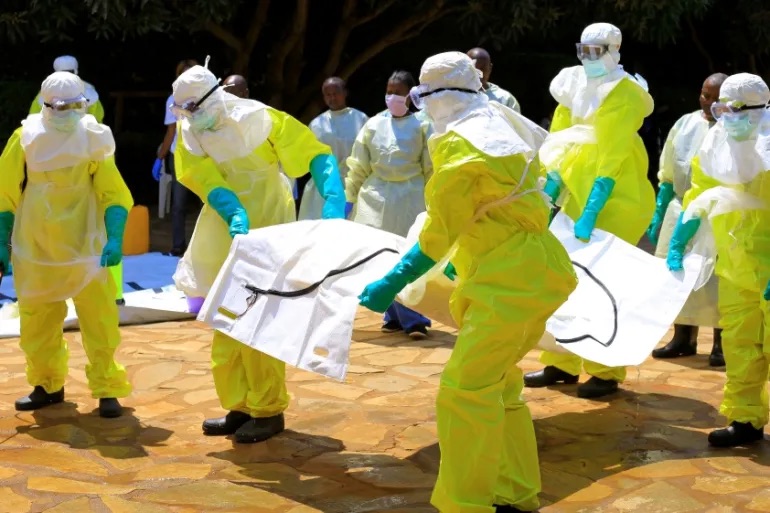
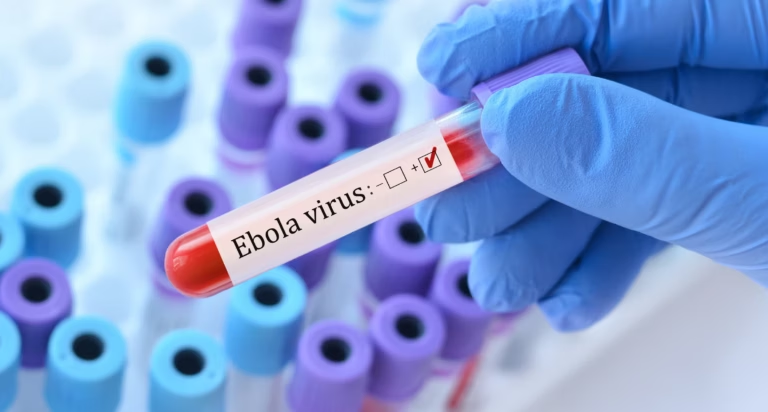
Following the confirmation of one Ebola disease case in the Federal Capital Territory (FCT), Abuja, the Federal Government has rolled out adequate containment measures. It also ruled out immediate ban on large conferences and other large public gatherings as there was no evidence of community transmission yet. Nevertheless, the Ebola outbreak should be recognised as a significant public health issue.
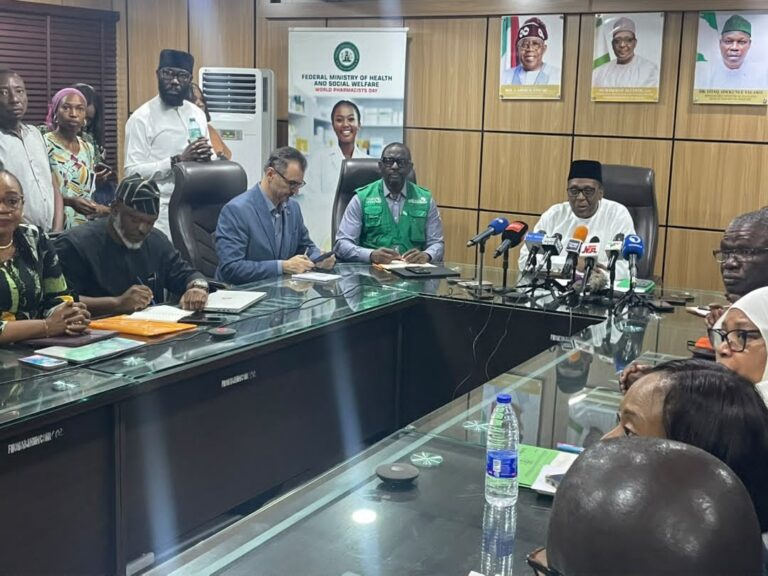
The Coordinating Minister of Health and Social Welfare, Prof. Muhammad Ali Pate, said the female patient, who arrived in Nigeria from Uganda without symptoms and later developed illness several days later, was improving, while health authorities monitored 44 contacts identified through investigations at hospitals, domestic settings and other locations she visited.
We recall that the recent fast-moving Ebola outbreak in Congo has spread to four other African countries, covering three regions. Nigeria is the latest country affected by the outbreak. The Bundibugyo virus, which has no approved vaccine or drug, has killed 4,600 people out of 9,500 infected in Congo. Kenya has also confirmed an imported case. No African country can afford complacency.
In 2014, Nigeria confronted one of its greatest public health threats when Ebola entered the country through Murtala Muhammed International Airport, Lagos. The virus was imported by Patrick Sawyer, a Liberian-American diplomat. Nigerian epidemiologists, doctors, nurses, and other health workers responded with urgency and professionalism. Through aggressive contact tracing, surveillance, isolation, and public education, Nigeria successfully contained the outbreak.
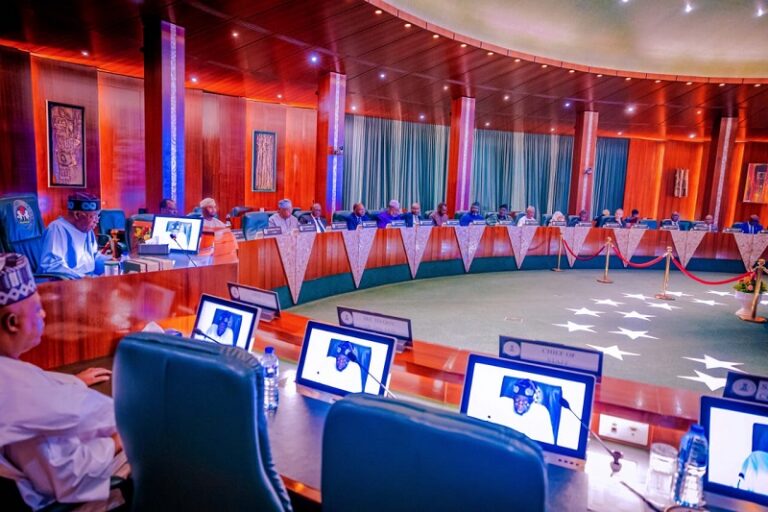
The lesson from the 2014 response is clear. Ebola can be defeated if the right action is taken early and with citizens cooperating fully. In June, President Bola Tinubu set up a national task force chaired by the Chief of Staff, Femi Gbajabiamila. The President also approved N10 billion for emergency preparedness. Those are commendable first steps. But preparedness must not exist only on paper. Funds must be deployed, not merely approved. Surveillance systems must be strengthened. Laboratories must be equipped and protective equipment procured for health workers.
The Federal Government should immediately reactivate epidemiological services nationwide with every state strengthening its disease surveillance teams and emergency operations.
Nigeria’s epidemiologists have a proven track record in combating infectious diseases. They should be empowered to perform their duties without political interference or bureaucratic delays. Disease control is a scientific undertaking, not a political exercise.
Commendably, contact tracing has commenced in earnest but it should extend beyond Anambra, Niger and Ogun states. The painstaking contact tracing work carried out during the 2014 outbreak saved lives. The health authorities should do so again. The country must strengthen surveillance at all entry points. Airports, seaports and land borders should maintain effective screening protocols manned by trained health personnel. Cross-border collaboration with neighbouring countries should be intensified because infectious diseases recognise no political boundaries.
Other News
Information sharing among West and Central African health authorities should be timely and transparent.
Public health authorities must determine where infection originated, how transmission occurred and who may have been exposed. Such investigations are essential in breaking transmission chains before they multiply. The Nigeria Centre for Disease Control and Prevention (NCDC) should collaborate with state ministries of health, teaching hospitals, primary healthcare centres and local government authorities. Public health emergencies require a unified national response. Coordination should define Nigeria’s preparedness strategy.
Government must ensure adequate supplies of personal protective equipment for healthcare workers. They stand at the frontlines of every outbreak and frequently bear the greatest risks. They need gloves, gowns, face shields, masks and other protective gear. Quarantine facilities should also be strengthened. During outbreaks of highly infectious diseases, adequately equipped and well-managed isolation and quarantine are critical public health tools. They protect both infected individuals and the wider population.
Ebola spreads through direct contact with the blood or other body fluids of infected persons and contaminated materials. Frequent hand washing with soap and clean water, good hygiene practices and avoiding unnecessary contact with bodily fluids should therefore become routine. During periods of heightened risk, people should minimise unnecessary physical contact, including handshakes and hugs, especially where public health authorities advise such precautions. Communities should rely on verified information from health authorities rather than rumours circulating on social media.
Patriotism also has a crucial role. Individuals who develop symptoms or know they have been exposed to infected persons should report promptly to health authorities. Concealing symptoms or withholding information about contacts places numerous innocent lives at risk. Every Nigerian must understand that cooperation during disease outbreaks is an act of national service. Indeed it is patriotism.
The media equally has important responsibilities. Accurate, timely and responsible reporting helps inform the public without creating unnecessary panic. Journalists should amplify verified health information while rejecting sensationalism and misinformation.
The absence of an approved vaccine or specific treatment for the Bundibugyo strain, according to the WHO, makes prevention even more critical. Nigeria cannot afford to wait until hospitals become overwhelmed before acting decisively. Prevention remains the strongest defence.
Governments at every level must mobilise resources and strengthen surveillance. They must empower epidemiologists and support healthcare workers. The NCDC, state health authorities and all relevant agencies must function as one coordinated team. Nigeria proved in 2014 that a determined nation can stop Ebola in its tracks. With urgency, vigilance and professionalism, it can once again keep the disease at bay.