Follow Us on Google
By Zika Bobby
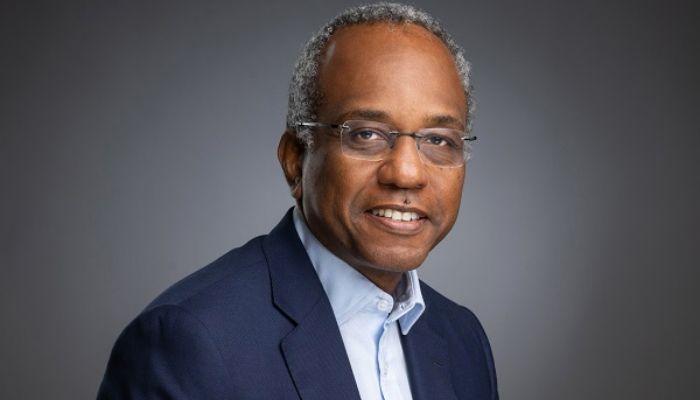
Former Lagos gubernatorial aspirant, Funso Doherty, has outlined a governance vision centred on accountability and ethical leadership, challenging the prevailing narrative that rising revenue equals state success.
In a conversation with Olushola Olaleye, Doherty argued that Lagos’ status as Africa’s commercial hub is often used to mask stagnant human development. While the state frequently touts its rising Internally Generated Revenue (IGR), Doherty questioned the impact on the average resident.
“IGR is what the government takes from the people. The real question is: what have you done with it?” he queried.
He noted that the state’s commercial strength largely predates recent administrations and should not be confused with effective governance. Instead, he urged a shift in focus toward human benchmarks in education, healthcare, security and basic service delivery.
A recurring theme in the conversation was Doherty’s insistence that leadership integrity is forged long before taking office. Drawing on his private-sector background, he recounted an early career experience where a contract was awarded to a vendor engaged to the deciding official. Though no formal rule was broken, the lack of concern over the conflict of interest struck him as a ‘deep ethical gap.’
“That gap in awareness follows leaders into public office,” he warned. He suggested that candidates, who surrender their principles to secure a platform, cannot easily reclaim them once in power. “You cannot come as an agent and then expect to transform into a principal,” he noted.
With the next election cycle on the horizon, he addressed the necessity of opposition collaboration. While open to alliances, he maintained that candidates must retain ‘independent credibility.’
Despite the internal hurdles facing the Peoples Democratic Party (PDP), he expressed confidence in it as a structured platform for the opposition.
However, he stressed that the ultimate decider is not party structure, but the 85 percent of Lagosians who are not voting.
With voter turnout in Lagos hovering around a meagre 15 to 16 percent, he labelled the statistic a crisis of legitimacy. “Nobody today should assume any voter is in their pocket,” he said, calling for a surge in civic engagement to break the status quo.