Follow Us on Google
The Chairman of the National Sports Commission (NSC), Shehu Dikko, has disclosed that the Commission has made provisions in its 2026 budget to support retired Nigerian athletes across various sports.
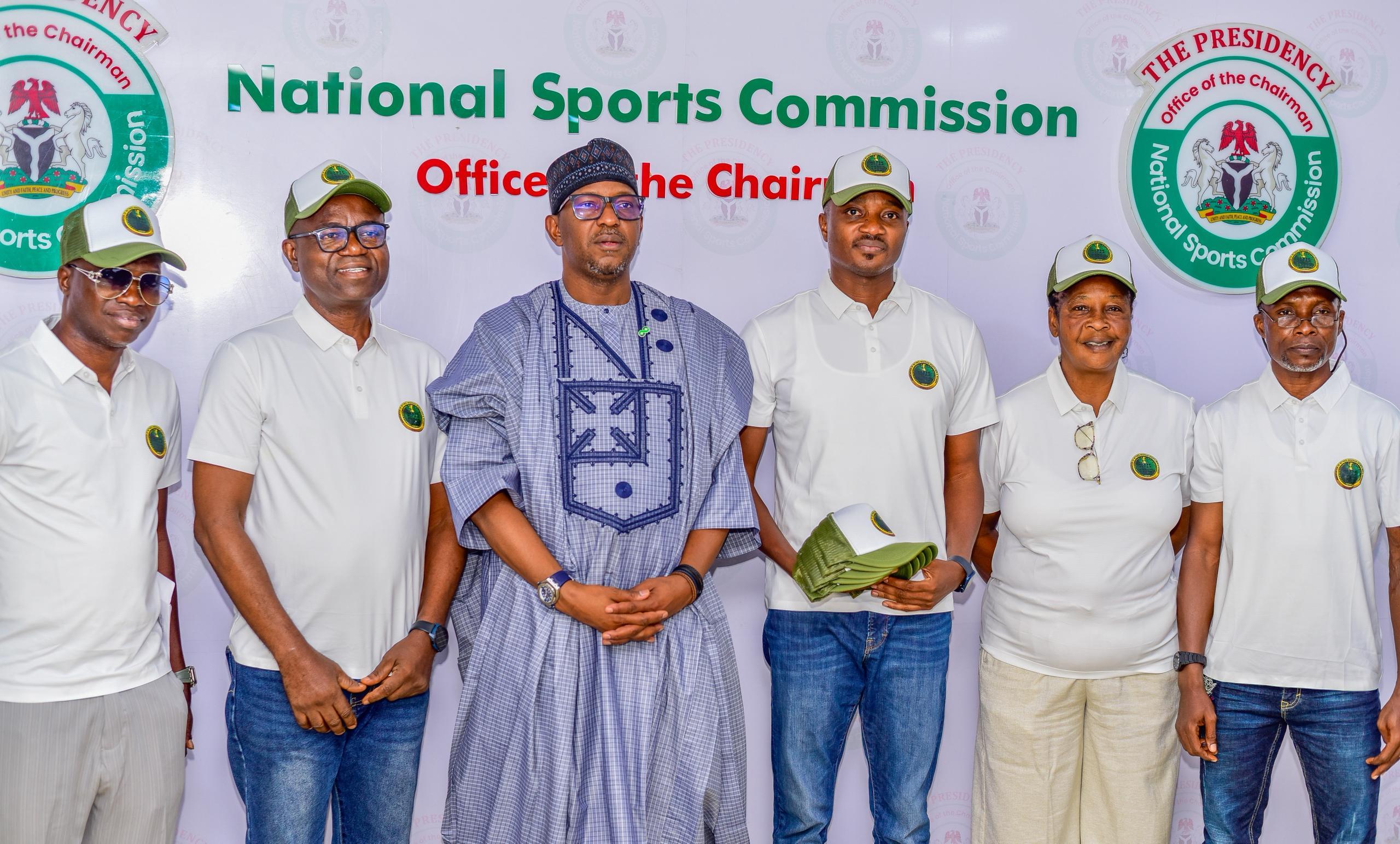
Dikko made the announcement while receiving members of the Association of Retired Nigerian Sports Men and Women (RENISA) at his office in Abuja. The delegation was led by the association’s president, Sunday Adeleye.
Commending the establishment of RENISA, Dikko described the initiative as a significant step toward addressing the welfare challenges faced by retired athletes. He urged the association to focus on the wellbeing of its members, adopt international best practices, and avoid involvement in sports politics.
“This is a noble initiative that has the potential to address some of the gaps affecting retired sports men and women,” Dikko said. “The priority should be unity, welfare, and the wellbeing of retired athletes. The focus must remain on creating systems that support them and improve their quality of life.”
The NSC chairman revealed that the Commission’s 2026 budget includes a dedicated provision aimed at assisting former athletes who represented Nigeria and may be facing financial or medical difficulties after retirement.
“It is unfortunate to see former national athletes who once proudly represented the country struggling with medical bills and basic living expenses,” he said. “While every athlete should prepare for life after sport, there are situations where intervention becomes necessary, and we are committed to supporting those in extreme circumstances.”
Dikko also reiterated his long-standing advocacy for a specialised pension scheme for retired sports men and women, noting that athletes typically have much shorter professional careers compared to workers in other sectors.
Other News
According to him, discussions should continue on creating tailored retirement and pension structures that reflect the unique realities of sporting careers.
“Sports men and women often have careers that last 10 to 15 years, unlike civil servants who may work for 35 to 40 years. There is a need to develop retirement support mechanisms that cater specifically to athletes,” he said.
He further encouraged RENISA to build a strong membership base and develop programmes that prepare athletes for retirement through skills acquisition, career planning, and welfare support.
Dikko stressed that the association should concentrate on welfare initiatives rather than sports administration or federation politics, noting that its greatest impact would come from helping athletes transition successfully into life after competition.
Earlier, Adeleye said RENISA was established to complement the efforts of the NSC in improving the welfare of retired athletes, many of whom face financial hardship and health challenges after leaving active sports.
He noted that some former athletes struggle to pay medical bills and meet family responsibilities, making it necessary for retired sports men and women to unite and support one another.
“We have come together to support ourselves and find ways to improve the welfare and wellbeing of retired athletes,” Adeleye said.