Follow Us on Google
From Sola Ojo, Abuja
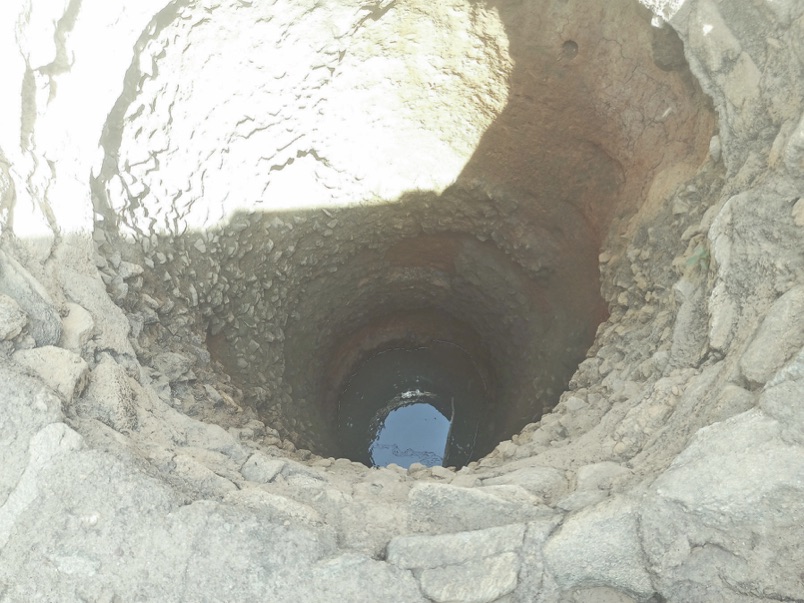
The children of Tudun Kasa, Muchichiri ward of Zaria Local Government area of Kaduna State no longer flinch when their mothers fetch murky water from the only open well in the community.
They cook with the water, drink it, and bathe with it.
For years, the people here have survived without a hospital, a school, or clean water. Unarguably, the story here is that of several other growing communities across the country, where the government’s attention is required.
Neglected by the government and apparently forsaken by the society, the men and women in this community have obviously accepted their fate, and they are doing everything legitimately possible to survive.
In this agrarian community, men and women, old and young are devising survival strategies pending the time their lot would be better. They provide their security. They devise their mini-Islamic education to keep their young ones busy before sending them to relatives near and far for Western education.
In an interview with this newspaper, the Deputy Imam of Tudun Kasa, Mubarak Saidu, lamented that over the years, the community has suffered socioeconomic setbacks from one generation to another, and has survived largely on self-help.
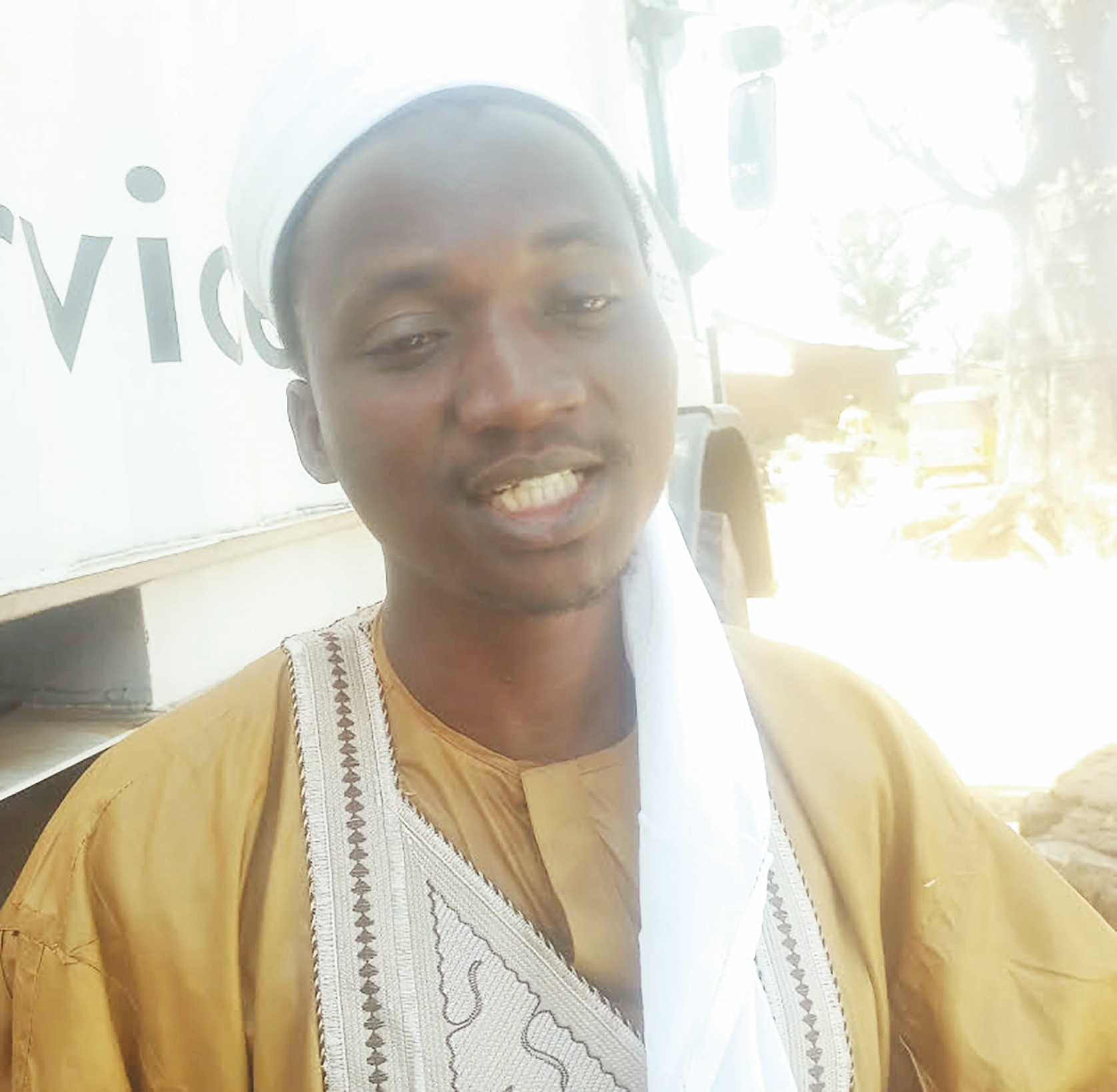
Hear him: “Our only well is not even protected. You can imagine the level of contaminated water we are consuming.
“Also, we don’t have a hospital despite our growing population. The nearest hospital is far away in Wuchichiri.
“So, if our governor, Uba Sani, gets to read this, he should come and help us.”
He paused, then added softly: “We have many school-age children who are not going to school because there is no school.
“But today, we thank the State Primary Health Care Board and UNICEF for remembering us.”
That “remembrance” came in the form of a convoy, a cluster of mobile health teams led by officials of the Kaduna State Primary Health Care Board and later joined by a team led by UNICEF Representative in Nigeria, Ms Wafaa Saeed.
For the first time in months, the recent life-saving health services rolled into Tudun Kasa. Under the scorching sun, Baobab mothers lined up patiently with their babies strapped to their backs.
Some received vaccines, others underwent nutrition screening, while a few sat through counselling sessions on preparing healthy local meals.
For this community, the integrated mobile health outreach, a collaboration between the Kaduna State Government and UNICEF, was more than a health programme; it was hope delivered on a mobile truck.
A mother of an acutely malnourished child, who spoke in confidence, narrated her balanced diet feeding ignorance that left her child malnourished.
“Until now, I don’t know why my baby is so skeletal. I couldn’t do the six months of recommended exclusive breastfeeding because I was not lactating much.
“So, I complement breast milk with pap. No rush, no egg and no additional milk. We are just surviving. Just surviving”, she yelled as tears freely rolled down her cheeks.
The good news for children in this category is that the state government recently took delivery of over 8,000 cartons of Ready-to-use Therapeutic Food (RUTF) from UNICEF.
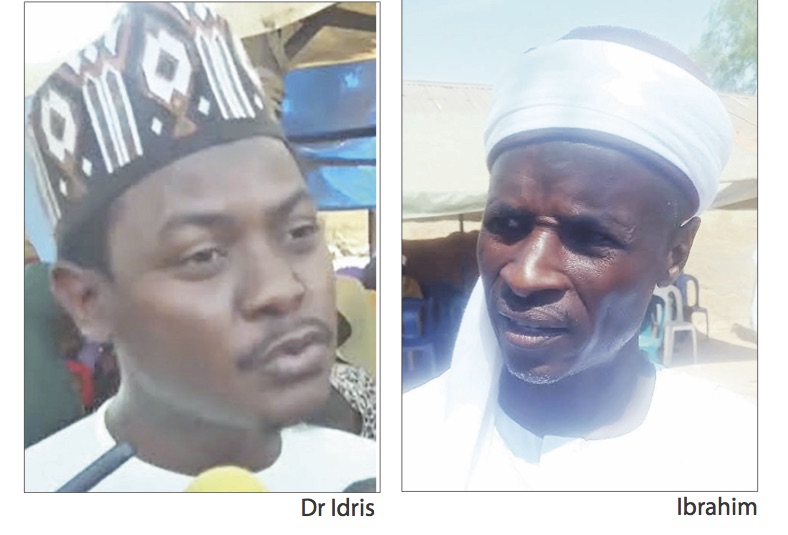
At Wuchichiri Ward, the coordinating hub for the outreach, Abubakar Ibrahim, the Health Unit Officer, said the exercise had become an antidote to vaccine hesitancy.
“When there’s an outreach like this, you can see the number of people who come out.
“Those who already understand the benefits of vaccines are now breaking it down to others, using themselves as examples.
“With this development, the state can overcome its zero-dose problem in about ten local government areas,” he said.
The outreach, according to Dr Abubakar Idris, Director of Public Health at the Kaduna State Ministry of Health, was designed to bridge the gap between underserved communities and essential healthcare.
“The outreach provides nutrition counselling, immunisation, antenatal care, tuberculosis and malaria screening, as well as demonstrations on preparing nutritious local diets,” he explained.
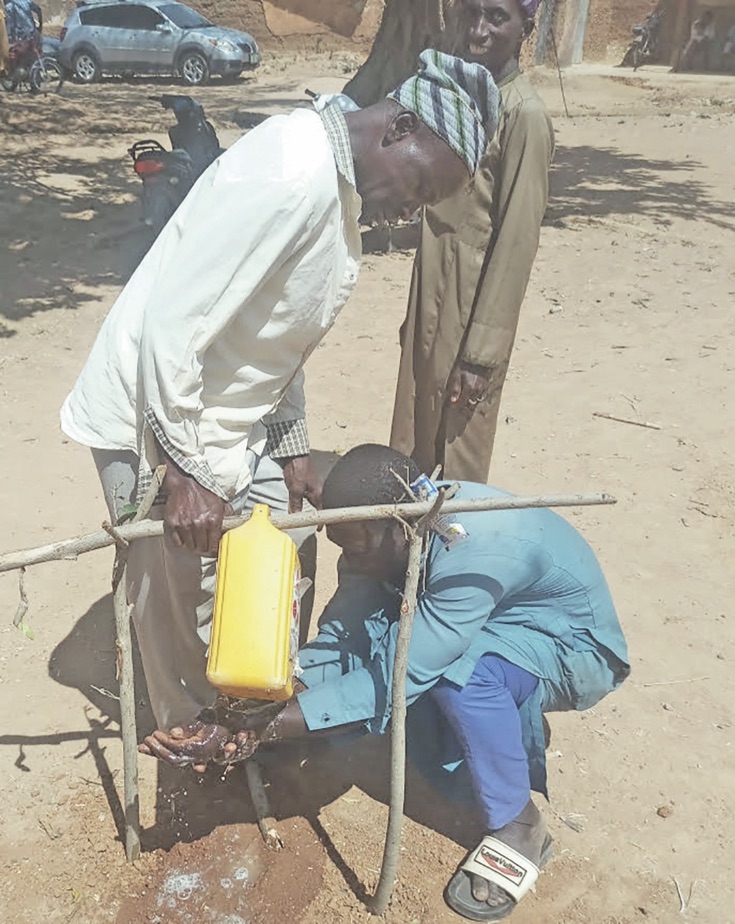
Highlighting some of the broader steps taken so far by the state government, he said: “Kaduna State has renovated 255 primary health centres and 15 secondary health facilities across the state to strengthen healthcare delivery and sustain outreach services.”
Dr Idris also revealed that the state had allocated 16 per cent of its 2025 budget to health, surpassing the Abuja Declaration benchmark, and co-financed nutritional commodities with UNICEF.
UNICEF ‘s Country Representative, Ms Saeed, nodded in satisfaction as she scanned the sea of women gathered around for the event.
“I feel very encouraged to see a large number of women and children getting services,” she said.
“Malnutrition is a serious issue for children, especially those who are severely malnourished. It is encouraging to see that the state government has invested in supplies that are saving lives.
“Vaccines save lives. They are low-cost and high-impact. And it’s important that every child is reached,” she emphasised.
As Tudun Kasa women packed up their babies and vaccination cards, chatting with nurses who had become unexpected friends, the day had brought not just medicine and health talks, but a feeling of recognition, a sign that the forgotten were not invisible after all.
But, the mission also extended beyond health. Ms Saeed and her team visited Karofi, Zangon-Aya in Igabi Local Government Area, where UNICEF supports the Integrated Quranic Education Programme.
The programme offers Almajirai and out-of-school children a rare opportunity to learn literacy and numeracy while continuing their religious studies.
“The communities were very happy because their children are learning literacy and numeracy three times a week.
“What is very important is that we work with the government and communities so that these children not only access education but get quality health care services in their quest for quality education,” Ms Saeed added.