Follow Us on Google
By Lawrence Agbo
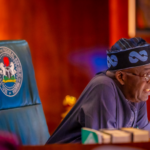
President Bola Ahmed Tinubu says Nigeria is undergoing a major transformation in its electricity sector, with reforms that now allow states to participate more actively in power generation, transmission, and distribution.
Speaking during his Democracy Day address on Friday, Tinubu said the reforms are designed to decentralise the electricity market and improve access to reliable power across the country.
He noted that the signing of the Electricity Act marked a turning point in Nigeria’s power sector, as it grants subnational governments the authority to generate and distribute electricity independently.
According to the President, the new framework is expected to attract investment, expand energy infrastructure, and reduce the chronic power shortages that have long affected economic productivity.
Other News
Tinubu explained that the reform effort is already being supported through ongoing government interventions aimed at strengthening the national grid and expanding electricity access to underserved communities.
He also highlighted initiatives targeting the metering gap and the settlement of long-standing debts in the power sector, describing them as necessary steps to restore stability and investor confidence.
“The Electricity Act, which I signed, grants states authority to generate, transmit, and distribute power,” the President said, underscoring what he described as a shift toward a more competitive and efficient electricity market.
Tinubu added that rural electrification projects are being expanded through partnerships with international financial institutions, with off-grid and mini-grid solutions deployed to schools, hospitals, and rural communities.
He maintained that electricity remains central to Nigeria’s development goals, insisting that reliable power supply is a key driver of industrial growth, job creation, and improved living standards.